
'65' is the Latest Dinosaur Flick in a Jurassic World
"65" (2023) is the latest Dino flick to try and answer "what else can we do with dinosaurs?"
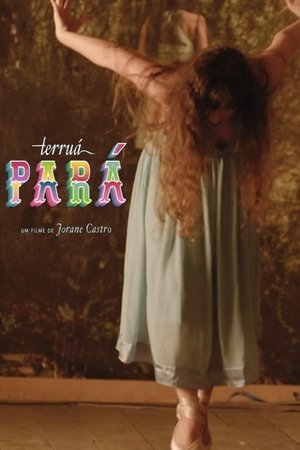


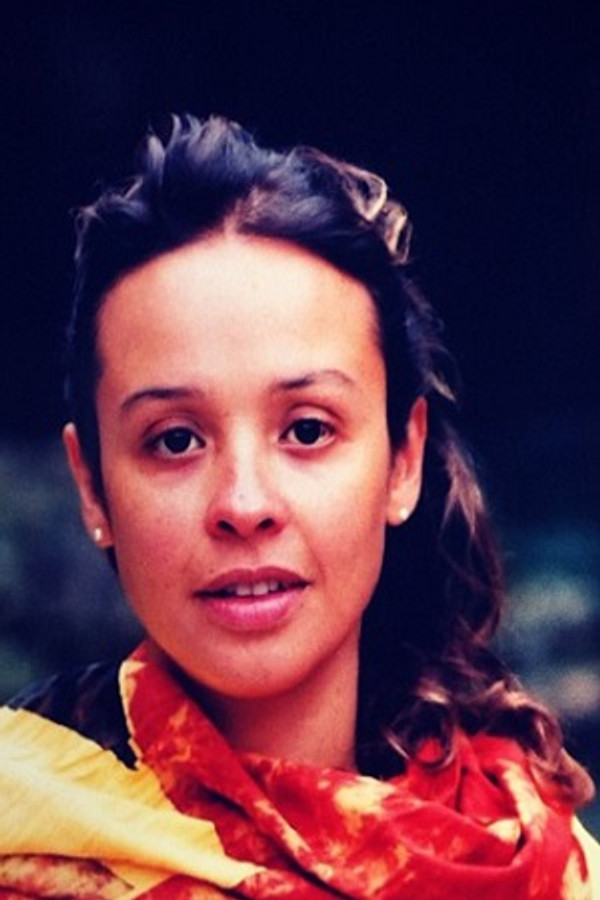
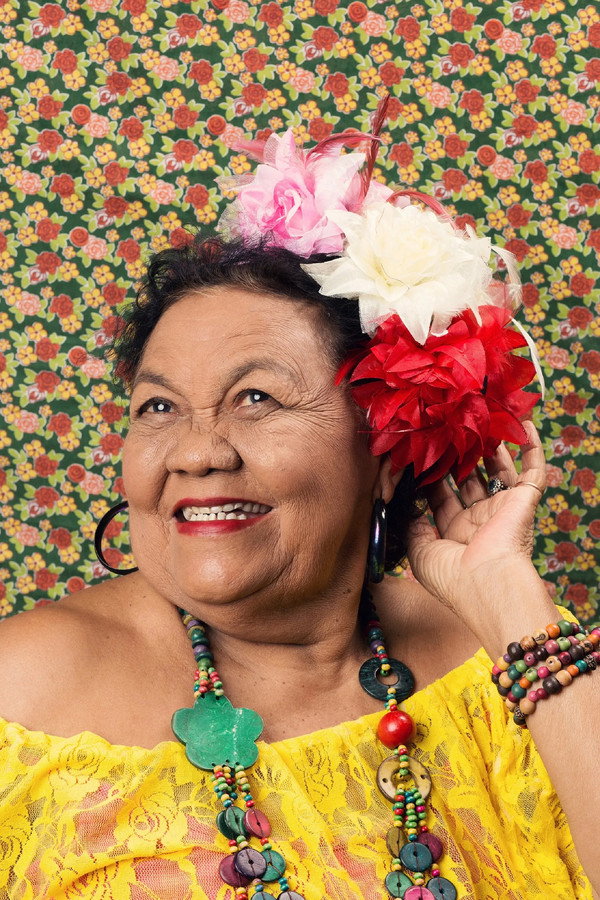
Based on testimonials from key characters, such as Dona Onete, Manoel Cordeiro, Pio Lobato, among others, in “Terruá Pará”, director Jorane Castro leads us into a deep dive into the diversity of Amazonian music, providing moments of enchantment and emotion.
"65" (2023) is the latest Dino flick to try and answer "what else can we do with dinosaurs?"
A refreshing twist is that all the kids’ powers are…kind of useless. There’s a kid who can only move in slow motion, a kid who has every power in the world but can only use them randomly, and our main character Missy who has no powers at all. The thesis of the film seems to be that it doesn’t matter what kind of powers you have, its the way you use them, which is good for the warm and fuzzies.
Films and TV series often tend to misrepresent or not acknowledge bisexual characters, but recent trends show that bi-erasure is now under deserved scrutiny. So, I’m genuinely happy about the direction bi-representation seems to be taking.
Sorry to Bother You ultimately speaks to the unfair advantages that the country’s power structures award to those with the resources to control others, as Lift’s easy access to the media allows his opinion to be the only one that matters in the eyes of the unsuspecting and easily impressed public. Moreover, it reveals the extent to which the American Dream has any true validity. It postulates how the promise of success and fulfillment as promoted by the American Dream more often than not leads to the undoing of the individual. Interestingly, in its revealing of the American Dream as merely a facade, Sorry to Bother You wisely questions whether or not anything can really be done to undo a system that has been accepted and in action for centuries.
In Saudi Arabia, a little girl (Wadjda) is told she can't have a bike because she's a girl. Wadjda struggles to obtain a bicycle to race her friend, Abdullah, due to the gender inequality and cultural norms of Saudi Arabia.
Set against the backdrop of the Jim Crow era, the film offers layered representation.