
"Kajillionaire": A Strange, Beautiful, and Gentle Story of Lost and Found Home
'Kajillionaire' is a touching and eccentric story about family, crime, and the search for belonging.
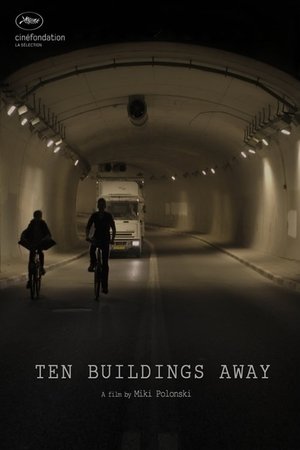


A four-story building in the midst of a city. A bridge runs above it, busy with heavy traffic and passing trucks. Behind the leftmost window on the fourth floor is the residence of two brothers, a mother and a father. A family who perhaps have never had the right to exist.
'Kajillionaire' is a touching and eccentric story about family, crime, and the search for belonging.
This coming-of-age movie based on the 1970 book by Judy Blume gives viewers a scope on female topics in the quest for a religious identity.
The Franke kids seemingly lived a normal life, until their mom met the infamous Jodi Hilderbrandt.
“I’m always interested in exploring female fantasy, and the sexy witch is a loaded archetype that is simultaneously about men’s fears and fantasies about women, and women’s feelings of empowerment and agency. So whereas we are used to seeing the sexy witch or the femme fatale from the outside, I wanted to explore her from the inside.” - Anna Biller, on why she made The Love Witch
I suppose you could argue that the story wasn’t what Director James Cameron was aiming for, it was the visuals. The spectacle of it all was the point, and it certainly shows.
In an all-black community in Louisiana, a young girl learns her father has committed infidelity and turns to hoodoo to seek justice.