Temo
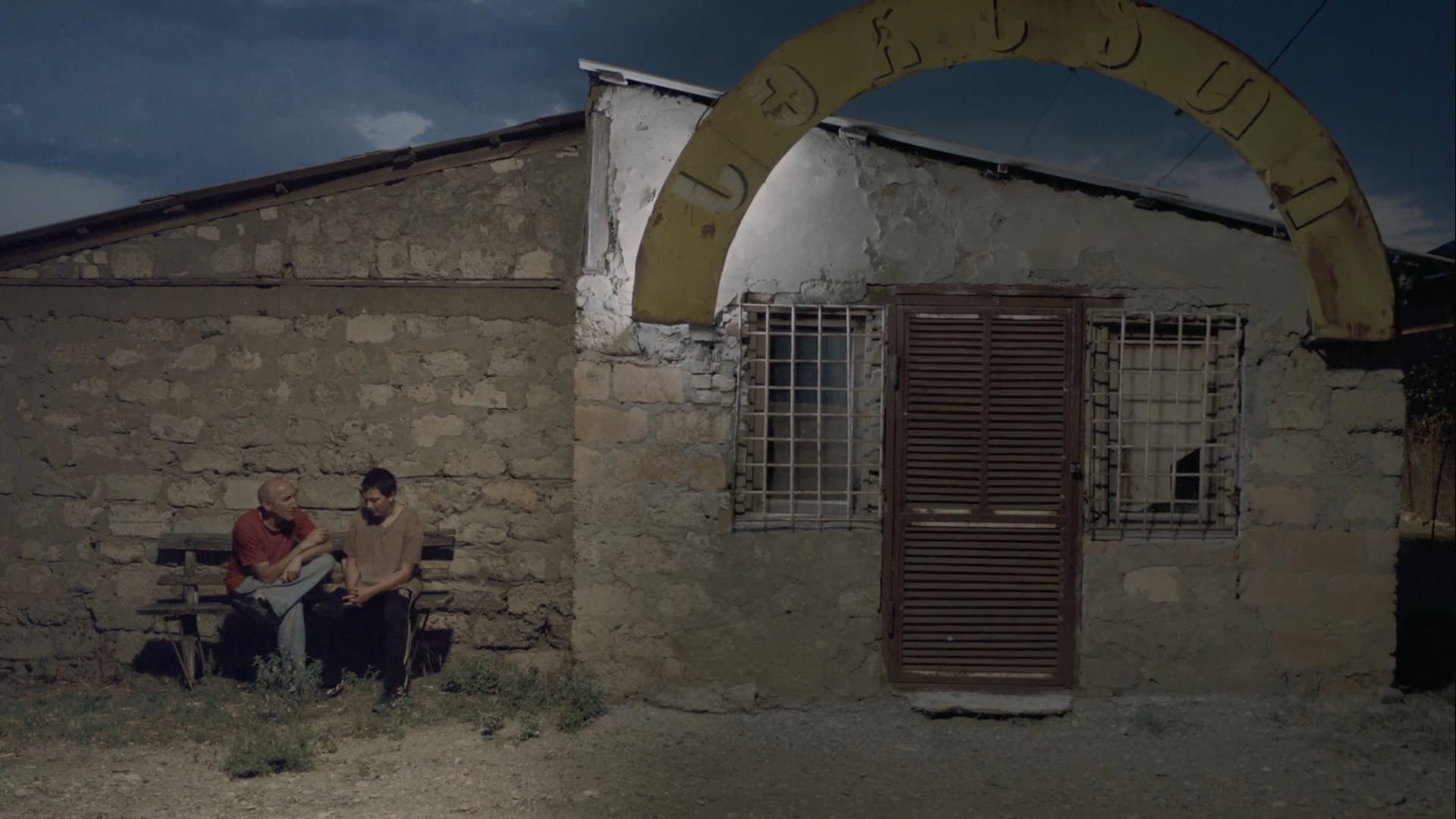
Temo is in debts, just like majority of Georgian population, he has lost everything and now he’s sheltered by his girlfriend who lives in a tiny shack, together with her mother. Temo tries different things to get out of the situation, but his attempts are naïve and futile, be it discovering of constant energy or farming frogs for selling on the internet. Social complications are putting more and more weight on Temo’s back, because of this Temo is forced to take a criminal way to solve his problems.

- / 5
PopScore
Representation
Pictures and Videos

Movie Information
Temo is in debts, just like majority of Georgian population, he has lost everything and now he’s sheltered by his girlfriend who lives in a tiny shack, together with her mother. Temo tries different things to get out of the situation, but his attempts are naïve and futile, be it discovering of constant energy or farming frogs for selling on the internet. Social complications are putting more and more weight on Temo’s back, because of this Temo is forced to take a criminal way to solve his problems.
Rating:
Genre:Drama
Written By:Lasha Tskvitinidze
In Theaters:
Box Office:
Runtime:30 minutes
Studio:Pansionati, soilfilms, Millimeter Film

Articles You May Like
13 Going On 30 Shows Teens the Reality of Adulthood
"13 Going on 30" tracks the tricky transition from adolescence to adulthood.
You Don’t Need to be a League of Legends Fan to Enjoy Netflix’s 'Arcane'!
Seriously, and this is coming from someone who was extremely skeptical before giving it a watch. I assumed the show would be painfully boring, but one of the show's strongest qualities is you needn't know anything about the lore to get invested in it.
Ranking The Purge Films from Worst to Best
Ranking The Purge films gives us one forgettable film, two mid-tier movies, and two horror masterpieces. This list can help you decide which films to watch first!
Kicking off the Summer with 'Malibu Rescue'
A trouble-making teenager spends the summer working at a Southern California beach learning about responsibility.
Calling All Docuseries Nerds: 'History of the Sitcom' is a Joyful Time-capsule
If your upbringing was anything like mine, where the TV acted as an additional parent- there are so many new stories and perspectives to explore.