



Incluvie – Better diversity in movies.
Identity in film with Incluvie stamps, scores, reviews.

Incluvie – Better diversity in movies.
Explore identity in film with Incluvie stamps, scores, reviews, and insights.

Tela Brasil: 10 Anos de Cinema nas Quebradas poster

Tela Brasil: 10 Anos de Cinema nas Quebradas 

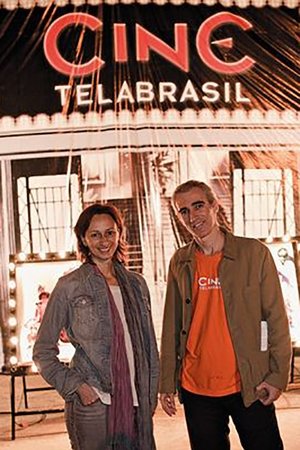
Idealized by the filmmakers Lais Bodansky and Luiz Bolognesi, the documentary portrays the projects executed by the Buriti Institute and Buriti Films in 10 years of work. Since 2004, projects collect impressive numbers: 116,509 kilometers were driven on roads, which led to 759 outlying neighborhoods, where they were made 7439 film sessions to 1,355,403 brazilians. Eighteen states and the Federal District were visited by Cine Tela Brasil, who put brazilian various ages for the first time in a movie theater.
- / 5
PopScore
Representation

Pictures and Videos


Incluvie Gala

Movie Information


Idealized by the filmmakers Lais Bodansky and Luiz Bolognesi, the documentary portrays the projects executed by the Buriti Institute and Buriti Films in 10 years of work. Since 2004, projects collect impressive numbers: 116,509 kilometers were driven on roads, which led to 759 outlying neighborhoods, where they were made 7439 film sessions to 1,355,403 brazilians. Eighteen states and the Federal District were visited by Cine Tela Brasil, who put brazilian various ages for the first time in a movie theater.

Rating:
Genre:Documentary
Written By:Henry Grazinoli
In Theaters:
Box Office:

Runtime:16 minutes
Studio:Buriti Filmes

Articles You May Like


"She’s Gotta Have It” was Ahead of the Curve in Portrayal of Female Sexuality

In Spike Lee’s She’s Gotta Have It (1986), we follow the love life of powerful female protagonist Nola Darling (Tracy Camilla Johns) and explore the relationship dynamics she has with her partners. She sees three men simultaneously: Greer Childs, (John Canada Terrell) Mars Blackmon (Spike Lee), and Jamie Overstreet (Tommy Redmond Hicks). Though an 80’s film, She’s Gotta Have It is surprisingly progressive with its themes of female sexuality, although at some points in the film it is handled clumsily. Overall Nola is an incredibly compelling character especially for modern women, as we as a society acknowledge female sensuality more and more without the negative stigma.

Andrea Amoroso