What We Do in the Shadows (of Our Closet Walls)
There’s enough evidence to insinuate that What We Do in the Shadows is intentionally queer-coded.




Roger Corman's post-holocaust quickie about an adolescent tribesman who dares to explore the feared "forbidden zone."

Roger Corman
Director

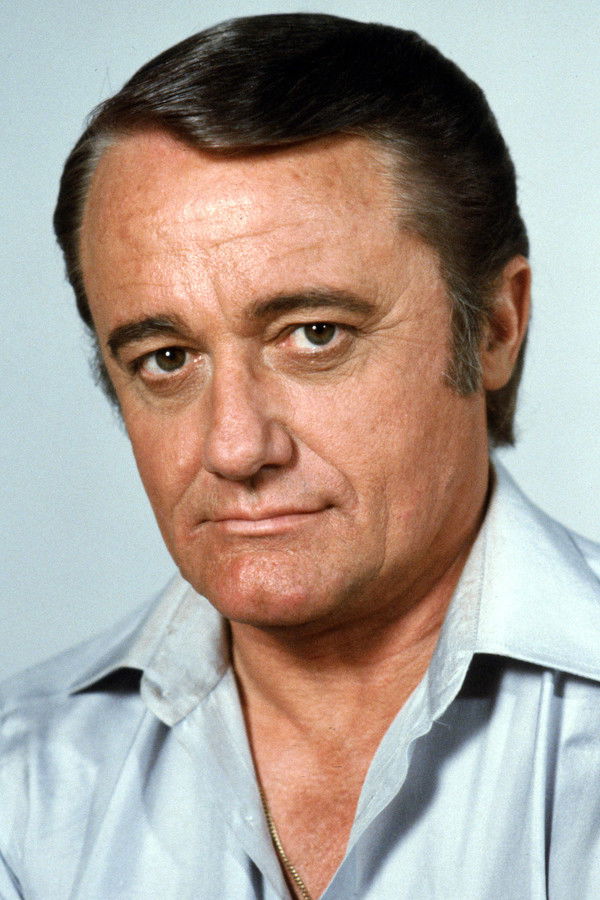
Robert Vaughn
The Symbol Maker's Teenage Son

Darah Marshall
The Blond Maiden

Leslie Bradley
The Symbol Maker

Frank De Kova
The Black-Bearded One
Charles Thompson
Member of the Tribe

June Jocelyn
The Symbol Maker's Wife

Jonathan Haze
The Curly-Haired Boy

Beach Dickerson
Fair-Haired Boy / Man from Burning Plains / Tom-Tom Player / Bear

Ed Nelson
Blonde Tribe Member

Robert Shayne
The Fire Maker

Marshall Bradford
Member of the Tribe
There’s enough evidence to insinuate that What We Do in the Shadows is intentionally queer-coded.
Sorry to Bother You ultimately speaks to the unfair advantages that the country’s power structures award to those with the resources to control others, as Lift’s easy access to the media allows his opinion to be the only one that matters in the eyes of the unsuspecting and easily impressed public. Moreover, it reveals the extent to which the American Dream has any true validity. It postulates how the promise of success and fulfillment as promoted by the American Dream more often than not leads to the undoing of the individual. Interestingly, in its revealing of the American Dream as merely a facade, Sorry to Bother You wisely questions whether or not anything can really be done to undo a system that has been accepted and in action for centuries.
This modern update of the beloved classic swaps Cyrano's signature pronounced nose for achondroplasia, for a different vision that still retains the original's essence.
If you've watched 'Jeanne Dielman, 23 Quai du Commerce, 1080 Bruxelles', you are either someone who believes “nothing happens” in this three and half-hour film or you’re like me who believes everything happens.
The Legendary Clades - a family of explorers - find themselves in a strange new world with fantastic creatures awaiting them. Perhaps their greatest challenge will be healing the ties that bond.
Moonlight is a film that will certainly be remembered for how it won Best Picture, but the movie itself should be known for its excellent representation of one of the most underrepresented groups in film: Black, gay men.