










'American Fiction' Speaks Truth
American Fiction is a genuinely entertaining film with a few lessons.

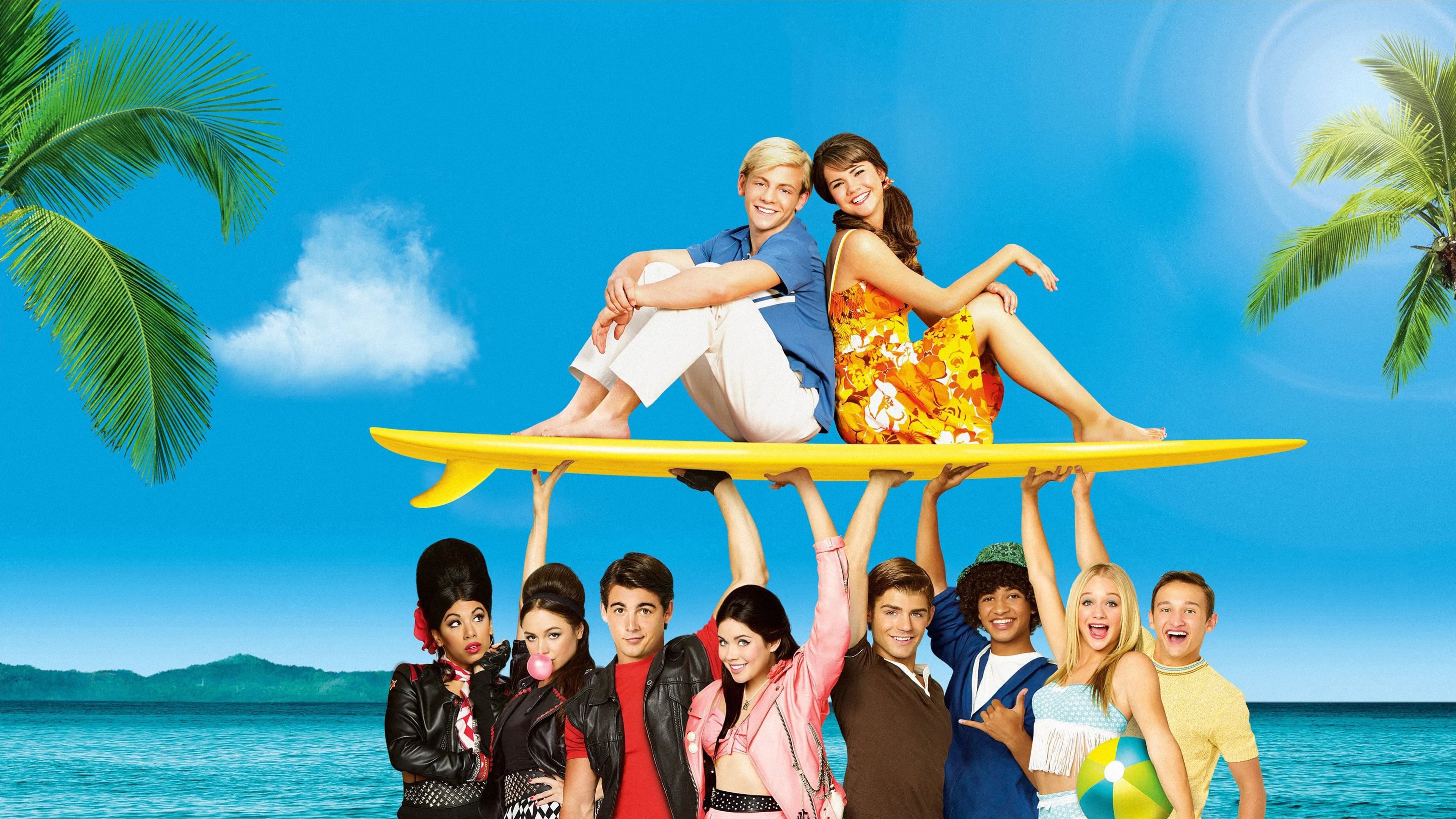
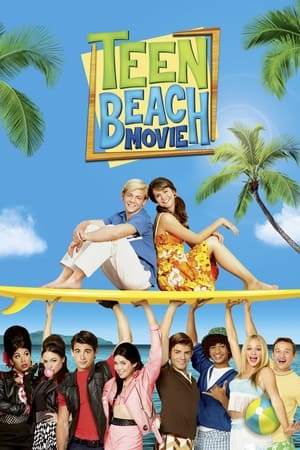
Life's a beach for surfers Brady and McKenzie – until a rogue wave magically transports them inside the classic '60s beach party flick, "Wet Side Story," where a full-blown rivalry between bikers and surfers threatens to erupt. There, amidst a sea of surfing, singing and dancing, Brady and Mack accidentally change the storyline, and the film’s dreamy hero and heroine fall for them instead of for each other!
American Fiction is a genuinely entertaining film with a few lessons.
Clocking in at about four hours, Stranger Things season 4 volume 2 is the length of a double feature. Despite the length and the hype, the finale still falls short of expectations thanks to poor pacing, poor character choices, and poor diverse storytelling.
This groundbreaking summer blockbuster proves that diversity enhances the action genre.
"WHAT ARE YOU WILLING TO SACRIFICE?!!!!" "EVERYTHING!!!!!" This is but one of a multitude of highly emphatic questions, and subsequent answers, being asked in the newest feature film from one of the current masters of horror, Jordan Peele ("Get Out", "Us" and "Nope"). I must give Peele credit in that he continues to push the boundaries of specific genres and their associated tropes in order to provide what ends up amounting to subtly then jarringly intense, yet still character and story-driven, cinema that speaks more to indie stylings than mainstream.
A refreshing twist is that all the kids’ powers are…kind of useless. There’s a kid who can only move in slow motion, a kid who has every power in the world but can only use them randomly, and our main character Missy who has no powers at all. The thesis of the film seems to be that it doesn’t matter what kind of powers you have, its the way you use them, which is good for the warm and fuzzies.
Even without the messaging, Mercy does not hold up as a movie. It's sloppily done and the mystery doesn’t tie together at the end.