
Making Magic in the Descendants Series
Did you know that Disney heroes and villains have kids? Check out the Descendants series.
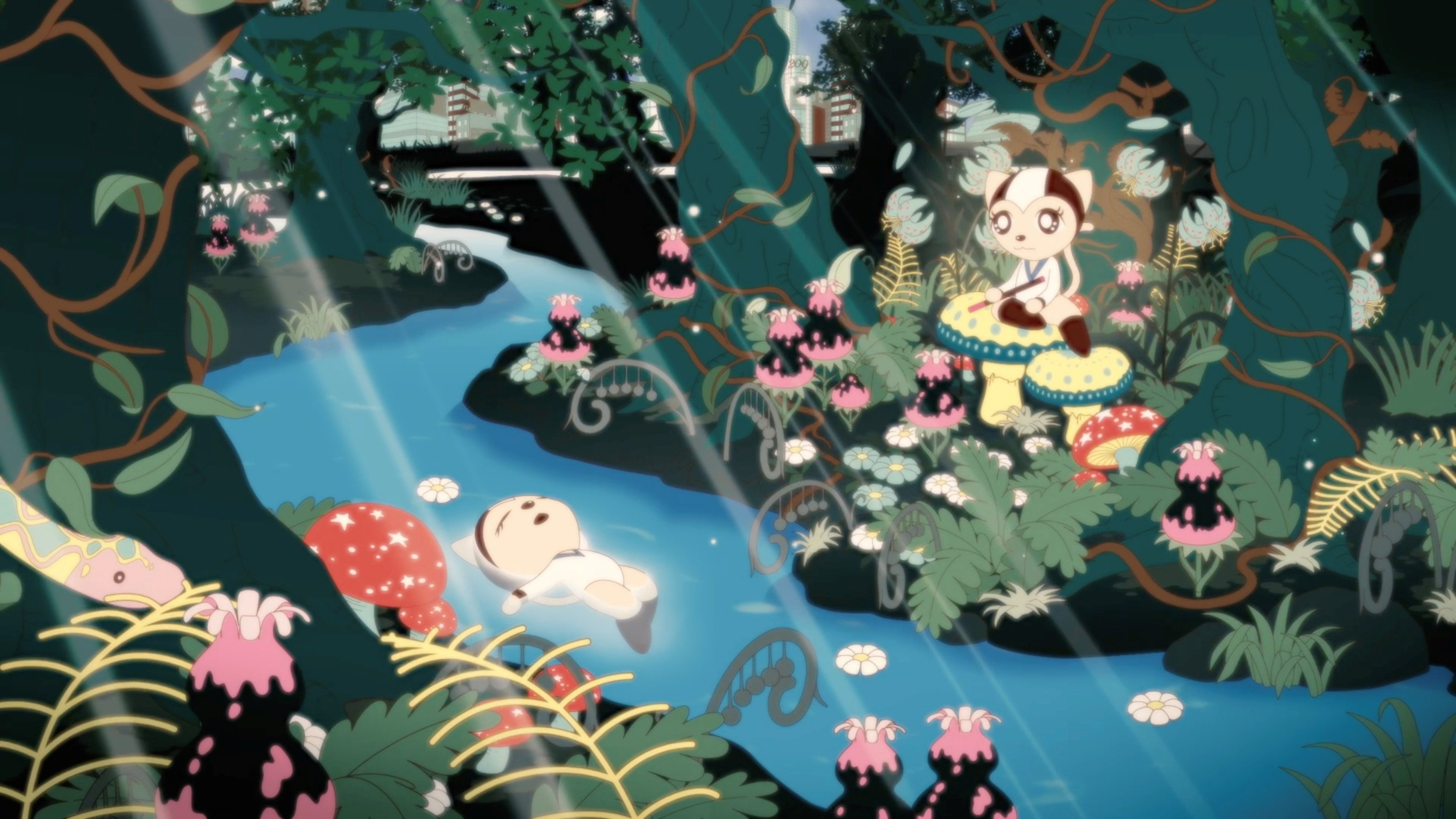
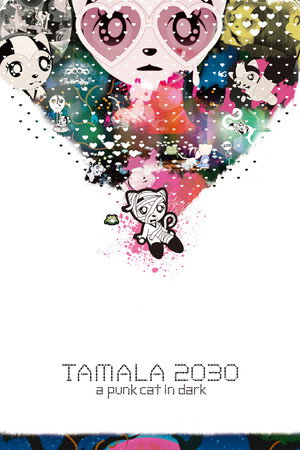


Carefree, coquettish, and capricious, Tamala is the cutest girl-cat in dystopian Cat Tokyo, year 2030—or at any other point in the time/space continuum. She has randomly invited herself along on her detective friend Michelangelo’s missing-person investigation. It seems the case is one of seven sudden vanishings in an astronomical pattern across Cat Japan that occurred at the exact same moment one night. Their search leads ever deeper into a mystery with ancient, occult roots and apocalyptic implications—and threads leading to Tamala herself. Shadowed by a covert agent of the Catty & Co. consortium, she may in fact be the greatest enigma. Indolent ingénue? Megacorporate mascot? Mythic messiah, or manifestation of cosmic malevolence? Anyhow, wow—she sure is a great dancer!
Did you know that Disney heroes and villains have kids? Check out the Descendants series.
The nations of Wakanda and Talokan enter war over their opposing viewpoints on dealing with the destructive hearts of humankind on the surface world.
The differences in these films could not be more blatant, and yet Gus Van Sant has found a way to portray the same messages and use the same techniques in each.
This fantasy movie released on Disney+ has strong topics and themes related to magic.
In the film adaptation, director Jon M. Chu turns each musical number into a massive show stopper, with grand set pieces and a wealth of diverse dancers. Yet, in this attempt to show reverence for the people of the Washington Heights barrio, Chu, or maybe more specifically those in charge of casting, left out a crucial part of the community, Afro-Latinos.
Throughout Brendan Fraser’s career, he has played a plethora of unique, layered characters who explore the importance of not being afraid to display your emotions, something that is often seen to not be a masculine trait. This idea of regulating emotion and what traits men are able to possess creates a toxic atmosphere for men who are often told they should not cry or represent their emotions in any physical way. These characters represent that men can be joyful, emotionally conscious, and sensitive, while also representing their masculine identity instead of painting those qualities as fighting against their masculinity.