
'Jungle Beat: The Movie' (2021)
This animated kids' movie shows viewers two different species--jungle animals and aliens--and how both species coexist.
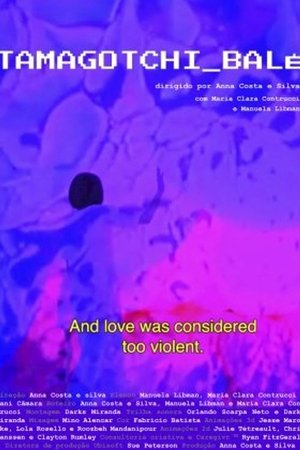


Tamagotchi_Balé is about affective dystopias, the end of erotic experience, narcissism and algorithms. Following a logic of hyperlinks, which mixes dream narratives, extensive research on neoliberal subjectivity, companion devices, 1990s films and video games, two women try to establish a relationship on green screens of Zoom. The Tamagotchi was born from an alien plant and is the first experience of a relationship with a machine that my generation has experienced.
This animated kids' movie shows viewers two different species--jungle animals and aliens--and how both species coexist.
The social issues The Half of it takes on are handled well, between the antagonization brought on to Ellie for her race and the conflict that arises from her being gay. Both aspects of her character are built up over the course of the film and don’t seem abrupt or rushed. The film shows racism towards Ellie and her and father in varying levels, from having her schoolmates specifically address her as "Chinese girl” to the fore mentioned way her Dad is treated due to language barriers. The same can be said about Ellie being a lesbian. While she never truly “comes out” in the narrative, that does not undermine her journey of self-discovery from being meaningful. These ideas aren’t thrust upon the viewer in a preachy manor, the scenarios that occur feel believable given the rural setting. The film presents watchers with problems whom those like Ellie may face, and leaves us to sit with them and reflect.
'Wolf Like Me' works if you want a show to shut off your brain while watching. If you think too much, you'll hurt yourself.
This horror, action, and fantasy movie released on Disney+ has a symbolic aspect.
A family comedy that combines fantasy and normal school life.
A film that focuses on an algorithm for a dating app that will bring viewers in for a surprise.