

'The Invisible Man' (2020): The Hiddenness of Domestic Abuse
The 2020 remake of 'The Invisible Man' explores the hidden nature of domestic violence with a classic sci-fi character.
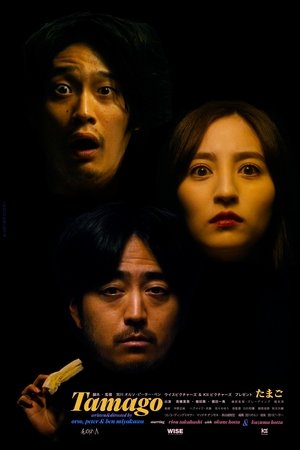


Tokyo. Kazu and Tatsu are two salary men in their thirties. One night, after work, they get drunk and decide to tell each other their deepest secrets to seal the friendship. Tatsu admits being still a virgin. Kazu reveals that every time he eats an egg sandwich, his body transforms, turning him into a woman. Tatsu doesn’t believe his friend and asks him to prove it...
The 2020 remake of 'The Invisible Man' explores the hidden nature of domestic violence with a classic sci-fi character.
Korean culture shines in this Canadian export.
Have a Good Trip offers a rather balanced look at psychedelic use. While its main narrative is the stories of recreational use by celebrities, it does delve into the medical history of psychedelics and its use in psychotherapy.
The Chronology of Water is a raw, honest, and unforgiving portrayal of how an abusive childhood ripples throughout one’s life. It is definitely the best movie I’ve seen Imogen Poots in. And even though Kristen Stewart has a long acting career for her young age, her directorial skills in this film show a lot of promise. Her feature debut as a director, an adaptation of Lidia Yuknavitch's critically acclaimed 2011 autobiographical memoir, is fully immersive, mesmerizing, and impressive.
A complex, realistic, and loving mother-daughter relationship is at the heart of this story about Black pageants and the fight for a better future.
At first glance, one wouldn't think John Carpenter's cult classic would be a thematic double-billing - or that Free Guy would be worthy of being mentioned in the same sentence as They Live - but the two films of vastly different genres have more similarities upon further examination.