


"Lyle, Lyle, Crocodile" Brings a Big Surprise
This comedy brings a big surprise to Josh and his family when they move to New York City and struggle to adapt to their new friend.

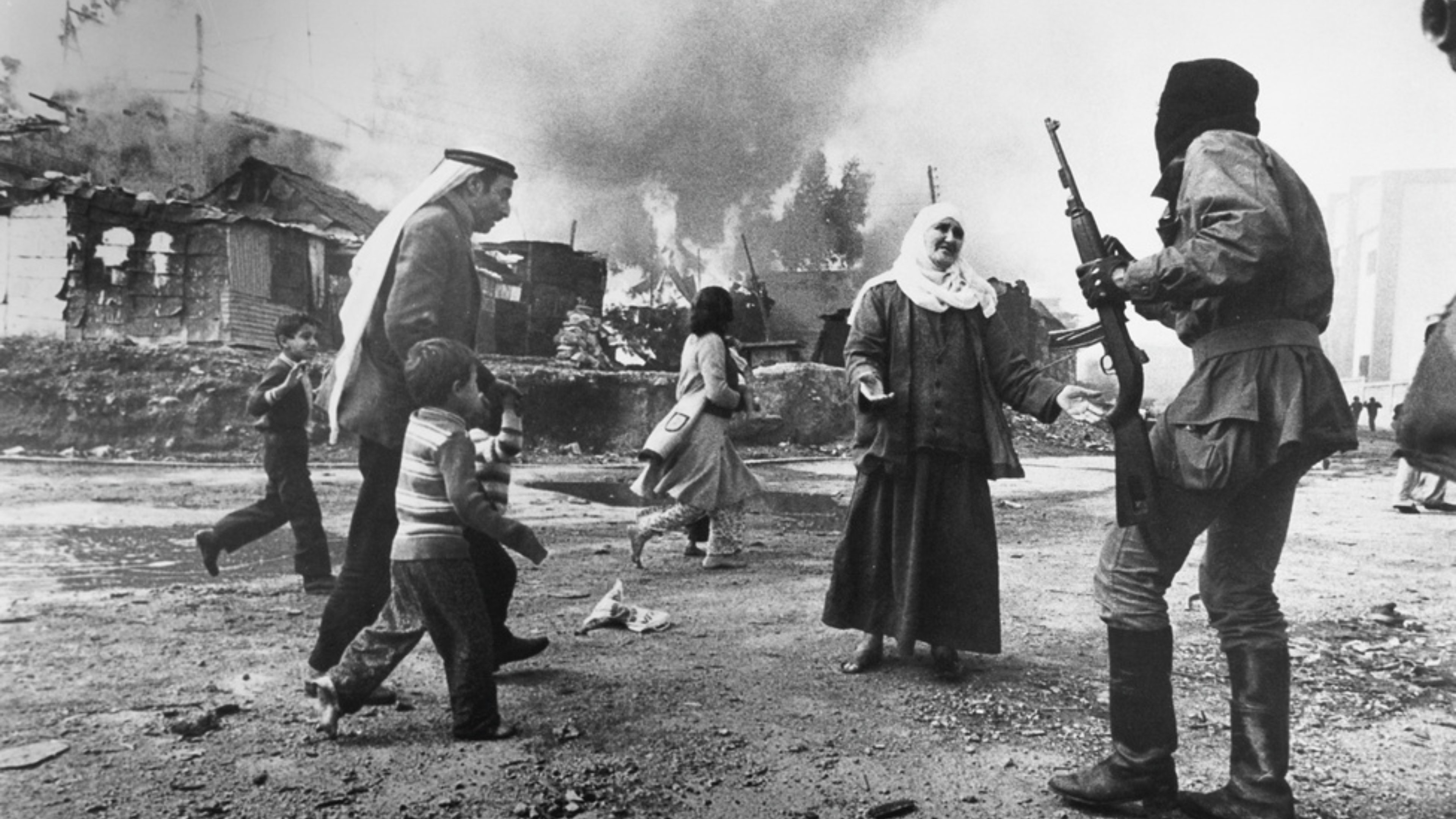
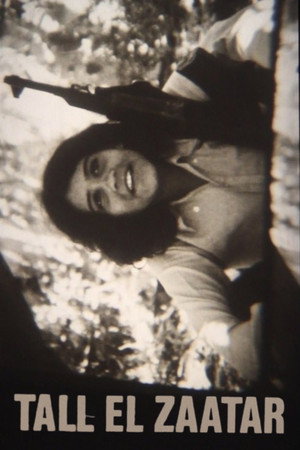
In the early summer of 1976, right-wing militias representing a coalition of ultra-nationalist and counter-revolutionary forces laid siege to the refugee camp of Tall al-Zaatar (“Hill of Thyme”) in Beirut. After holding out for months without food, water, or medical supplies, and under heavy artillery and sniper fire, the camp fell to the militias on 12 August. What followed was one of the worst atrocities of the civil war, with over 2,500 civilians massacred and the camp razed to the ground. Produced after the massacre, but featuring footage shot before and during the siege, Tall al-Zaatar remembers the camp and its community, recounting the long months of siege and resistance, and recalling the horrors of the massacre through the testimony of survivors.
This comedy brings a big surprise to Josh and his family when they move to New York City and struggle to adapt to their new friend.
We sat down with Writer/Director Albert Acosta to discuss his debut short film, (ha-ha), Acosta's foray into narrative cinema, and how his personal experiences have shaped his filmmaking philosophy.
“To be universal, you have to get specific”: while the film does not attempt to provoke discussions about queerness or race, those watching closely may find something resonant in Sorrentino’s love letter to the Naples of his youth.
Overall, Lee Cronin’s The Mummy is plagued by numerous flaws, both from a quality and from a diversity standpoint. The film relies on gore and loud sounds to drown out its flat script, flatter dialogue, and one-dimensional characters.
This list was made with the intention of celebrating comedic craft and a love of seeing more women of colour and newcomers on the scene.
'También la Iluvia' exploits Indigenous peoples' fight against the privatization of water in order to tell a story about Spanish characters.