

'Men' Disappoints with a Flat Examination of Misogyny
Despite its simple premise, “imagine being a woman,” the horror behind "Men" feels fueled by a hollow understanding of the insidiousness of misogyny.
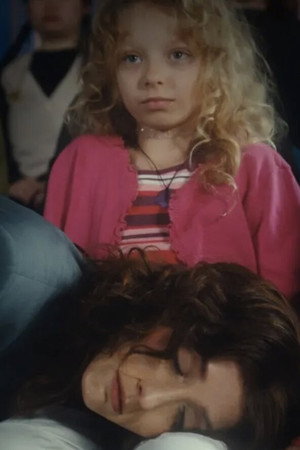


Talk Show is the final film in Jordan Strafer’s Loophole trilogy. The narrative unfolds across two periods of time: the turn of the millennium, shot in color, and the afterlife, shot in black and white. Structured around a talk show, the work examines 1990s celebrity culture, violence against women, and justice as televised spectacle. Its screenplay draws on sources ranging from news footage to self-help media, blending historical fact with fiction. [Overview courtesy of The Whitney]
Despite its simple premise, “imagine being a woman,” the horror behind "Men" feels fueled by a hollow understanding of the insidiousness of misogyny.
In addition to the cast being delightfully diverse this time around, the film was just loosely-plotted and action-packed enough to keep a casual fan like myself entertained. While I do agree that the writing of Cole left much to be desired for an original character thrust into a preconceived universe, none of the characters seemed particularly fleshed out in terms of personality; however, I think that's to be expected when you're watching a film literally inspired by a video game.
I’m disappointed in The Woman in Cabin 10, but that’s at least in part because of my love of Ruth Ware’s novel.
Emily Henry’s adaptation reaches romance movie standards, but not romance reader standards.
This Disney Channel Original Movie shows how two different groups can coexist.
Star Wars is better if you believe that Luke Skywalker is gay. You can't change my mind.