


“The Owl House”: The First Bisexual Disney Hero
The Owl House has swiftly become one of Disney’s beloved cartoon series.


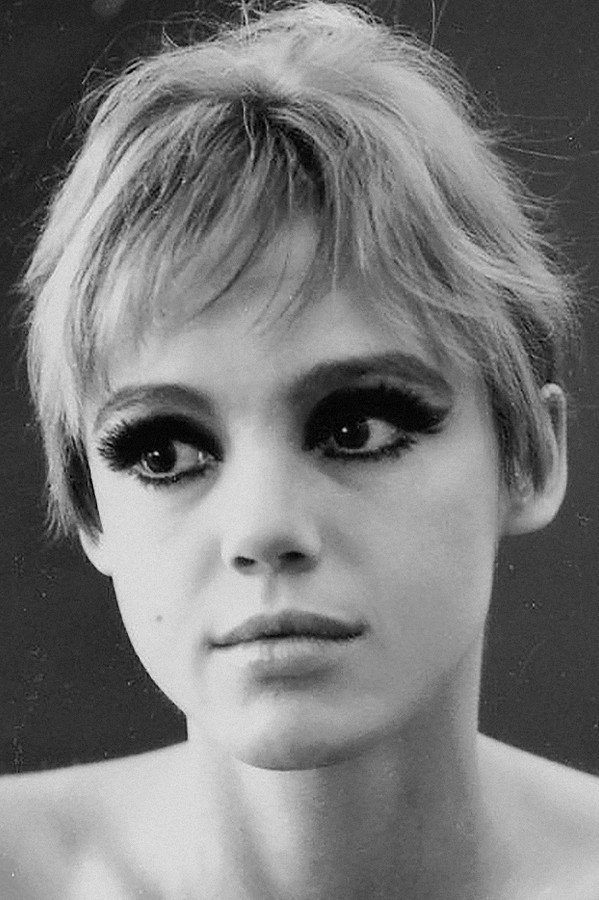
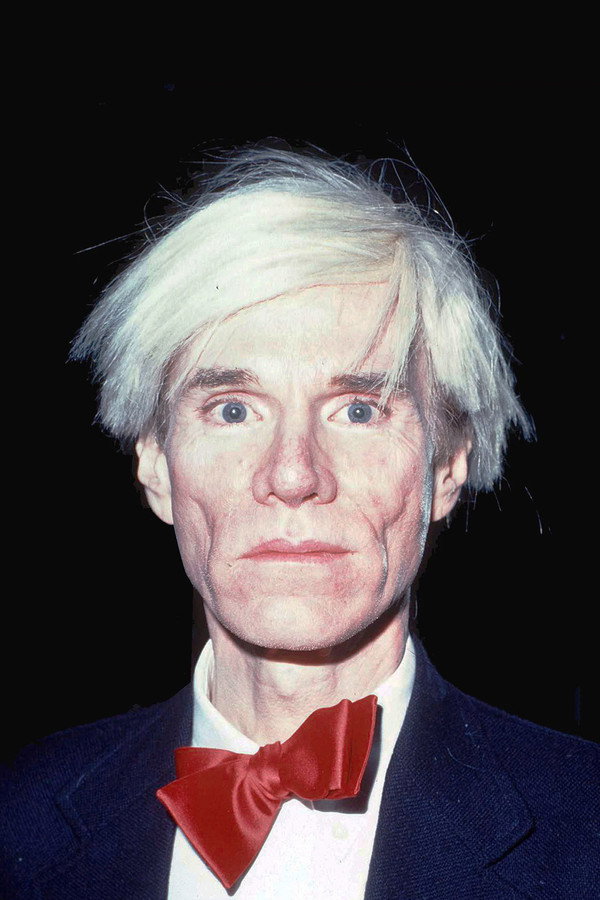
Documentarians Juan Drago and Bruce Torbet follow a surprisingly relaxed and open Andy Warhol, at the peak of his powers in 1965 and 1966, around his bustling original "Factory" in midtown Manhattan. Warhol experiments with an early videotape machine, recording a beautiful, laughing Edie Sedgwick - his "superstar" of the moment - for the video portion of "Outer and Inner Space," his filmed record of the "live" Sedgwick juxtaposed against her video image on an adjacent monitor. Also captured is a Warhol show at the Leo Castelli gallery, including the famous Mylar "Clouds," as various unnamed art dealers and critics muse in voiceover about the meaning and significance of Warhol's work.
The Owl House has swiftly become one of Disney’s beloved cartoon series.
A family adventure film that features Hawaiian culture with a representative director and a diverse cast.
When a group of White women are invited to dinner by an Indian woman and a Black woman to talk about race in America, sparks fly.
Much more than a meme, 'Barbenheimer' actually diversifies viewer bases and spreads the important message of both films wider than they otherwise would have!
The way Jeannette has to deal with child neglect makes her insecure about her parents and how she was brought up and raised in the United States. This continues into adulthood, where Jeannette becomes a successful journalist and is frequently asked about her parents by others.
The French-born director Laure de Clermont-Tonnerre’s strategic choice to entrust the interpretation of a conventional, feminine character to a non-binary actor pays off: Corrin’s Lady Chatterley is awkward, edgy, and uninhibited at the same time.