
Sick or Evil or Both: “My Friend Dahmer” and the Coverage of White Killers
This HBO mini-series asks why a young white man turned to violence and finds no easy answers. But why do we only ask questions about certain kinds of killers?
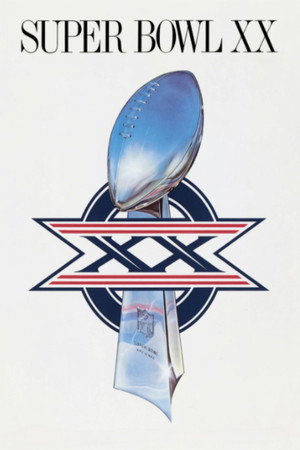


Super Bowl XX, played on January 26, 1986, at the Louisiana Superdome in New Orleans, saw the Chicago Bears dominate the New England Patriots 46-10, securing their first-ever Super Bowl title. The victory capped off a remarkable season for the Bears, who finished with a 15-1 record and were considered one of the most dominant teams in NFL history.
This HBO mini-series asks why a young white man turned to violence and finds no easy answers. But why do we only ask questions about certain kinds of killers?
Despite everything it was capable of, all of these poor choices strung together amount to nothing more than a counter-productive film.
Mona Fastvold’s nineteenth century lesbian romance is emotionally charged, restrained, and poetic without feeling forced.
One Night in Miami... did not frame the racism and bigotry as something that could be solved by quality time spent between individuals. Instead, it featured four different legends of Black History together in one room disagreeing for about 2/3 of the film.
In Spike Lee’s She’s Gotta Have It (1986), we follow the love life of powerful female protagonist Nola Darling (Tracy Camilla Johns) and explore the relationship dynamics she has with her partners. She sees three men simultaneously: Greer Childs, (John Canada Terrell) Mars Blackmon (Spike Lee), and Jamie Overstreet (Tommy Redmond Hicks). Though an 80’s film, She’s Gotta Have It is surprisingly progressive with its themes of female sexuality, although at some points in the film it is handled clumsily. Overall Nola is an incredibly compelling character especially for modern women, as we as a society acknowledge female sensuality more and more without the negative stigma.