









"Supergirl": The Bravery And Ferocity Of Dark Feminine Energy
"Be good. It doesn’t mean you can’t be tough. It doesn’t mean you always have to be nice. Just be good."
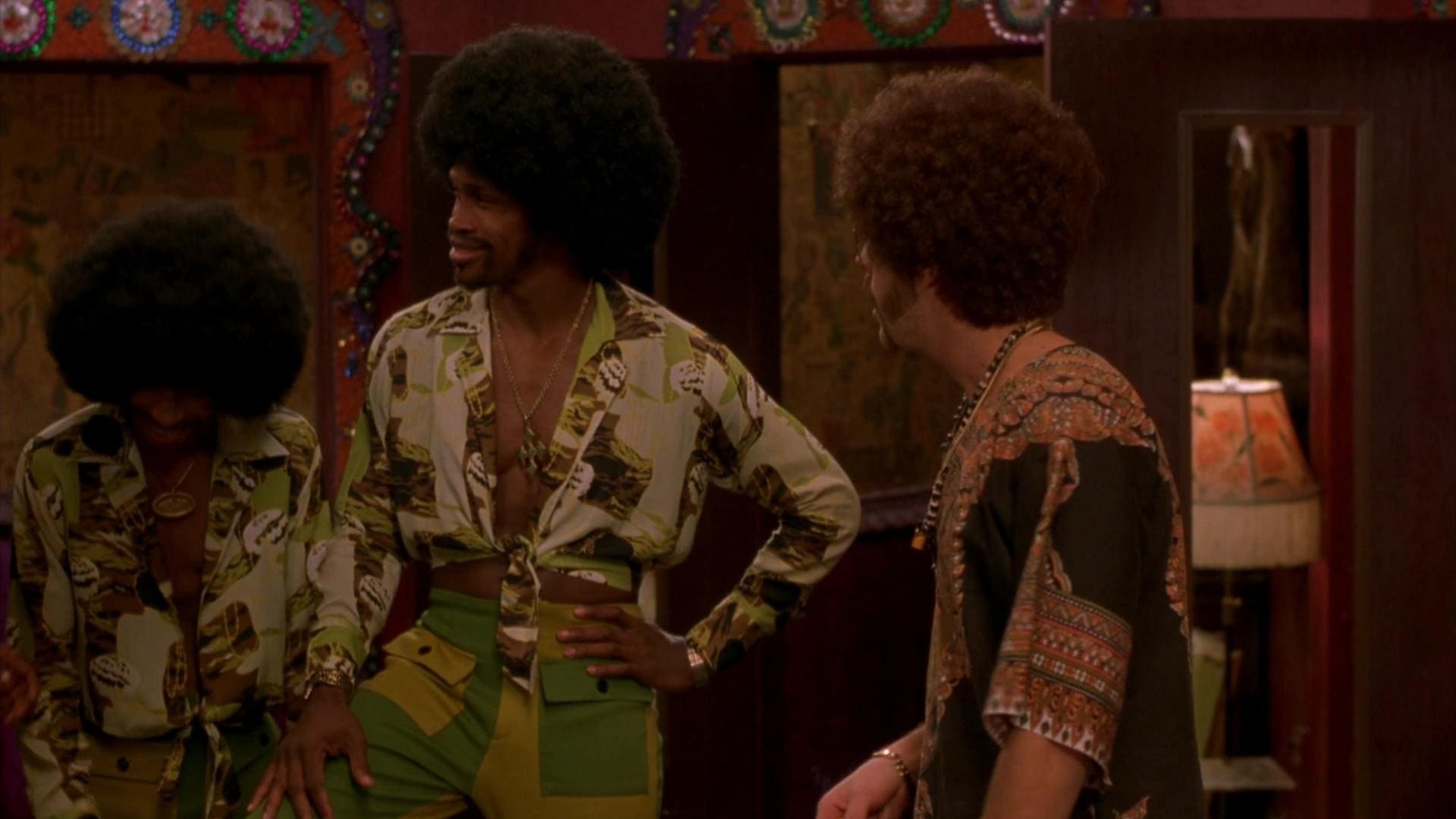



A day in Hollywood, 1972, with young people looking for the 24 hours that will change their lives. Zach will open that night for a British rocker at Whisky a Go-Go; he lives in a canyon and plays impromptu duets with a mysterious guitarist he doesn't see. Tammy is a costume designer, open to quick sex with the various rockers she works with and loved from afar by Michael, a photographer recovering from a case of the clap. His good friend is Felix, a morose, alcoholic songwriter. On hand for comic relief is Marty Shapiro, a fast-talking record producer. Getting ready for the gig at the club, Zach's performance, and the early-morning aftermath comprise the film.
"Be good. It doesn’t mean you can’t be tough. It doesn’t mean you always have to be nice. Just be good."
When a group of White women are invited to dinner by an Indian woman and a Black woman to talk about race in America, sparks fly.
Gritty and bleak are the best words to describe this film. There’s nothing happy about it.
Despite the film’s efforts to reframe its heroine with modern complexity, a certain emotional distance lingers.
Where is Lilo's face? Disney marketing sends a chilling signal: that even in 2025, an alien is more palatable and marketable than a brown girl.
Have you ever wondered what it's like to work at the greatest arts and entertainment company? This documentary film gives us a look at the people who make the magic.