




“Bury Your Gays” Trope in TV and How “Wynonna Earp” Defies it
I think that the happiness and survival of "Wynonna Earp"’s LGBTQ+ characters is incredibly refreshing in contrast to the prevalence of queer suffering and death in other television.




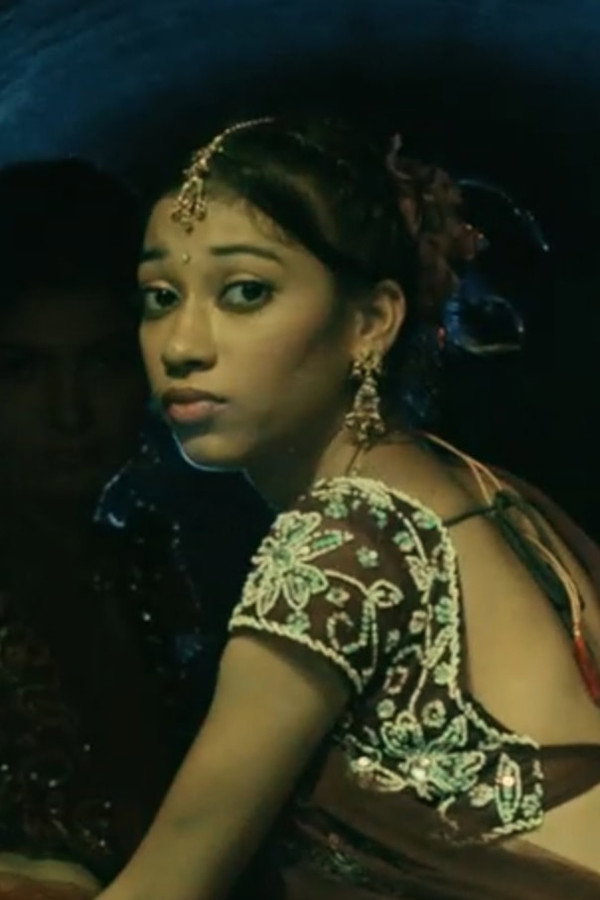
Inspector Joshi is a grieving father searching for his daughter Aruna, kidnapped years ago when she was six. In his despair, life converges with a recurring dream in which Joshi pursues a shadowy figure who leads him to 'Paradise', a night-club where teenage girls dance to a leering crowd. He is convinced he will find Aruna there and vows to bring her back to Leela, his broken wife.
I think that the happiness and survival of "Wynonna Earp"’s LGBTQ+ characters is incredibly refreshing in contrast to the prevalence of queer suffering and death in other television.
White audiences saw Peola’s mixed-race passing as a Black woman’s struggle to be white. Black audiences saw it as the rebellion of a Black woman trying to gain privileges only given to white people.
Kat Wahlen’s The Whiteboard tells, or rather shows, a delightful love story between two young women who meet in detention.
A film loosely based on the fairy tale Hansel and Gretel, with major twists to the original story.
Netflix's Afterlife of the Party might fall into the rom-com genre, but it's much more about grief, strong female friendships, and platonic love than it is about romance.
This coming-of-age movie based on the 1970 book by Judy Blume gives viewers a scope on female topics in the quest for a religious identity.