






Incluvie – Better diversity in movies.
Identity in film with Incluvie stamps, scores, reviews.

Incluvie – Better diversity in movies.
Explore identity in film with Incluvie stamps, scores, reviews, and insights.

trailer banner
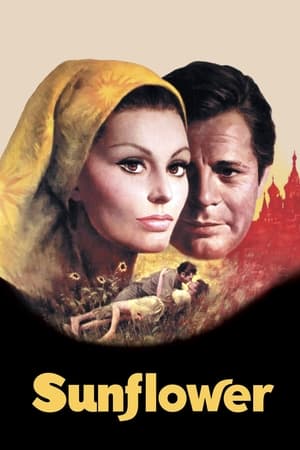
Sunflower poster

Sunflower (1970)

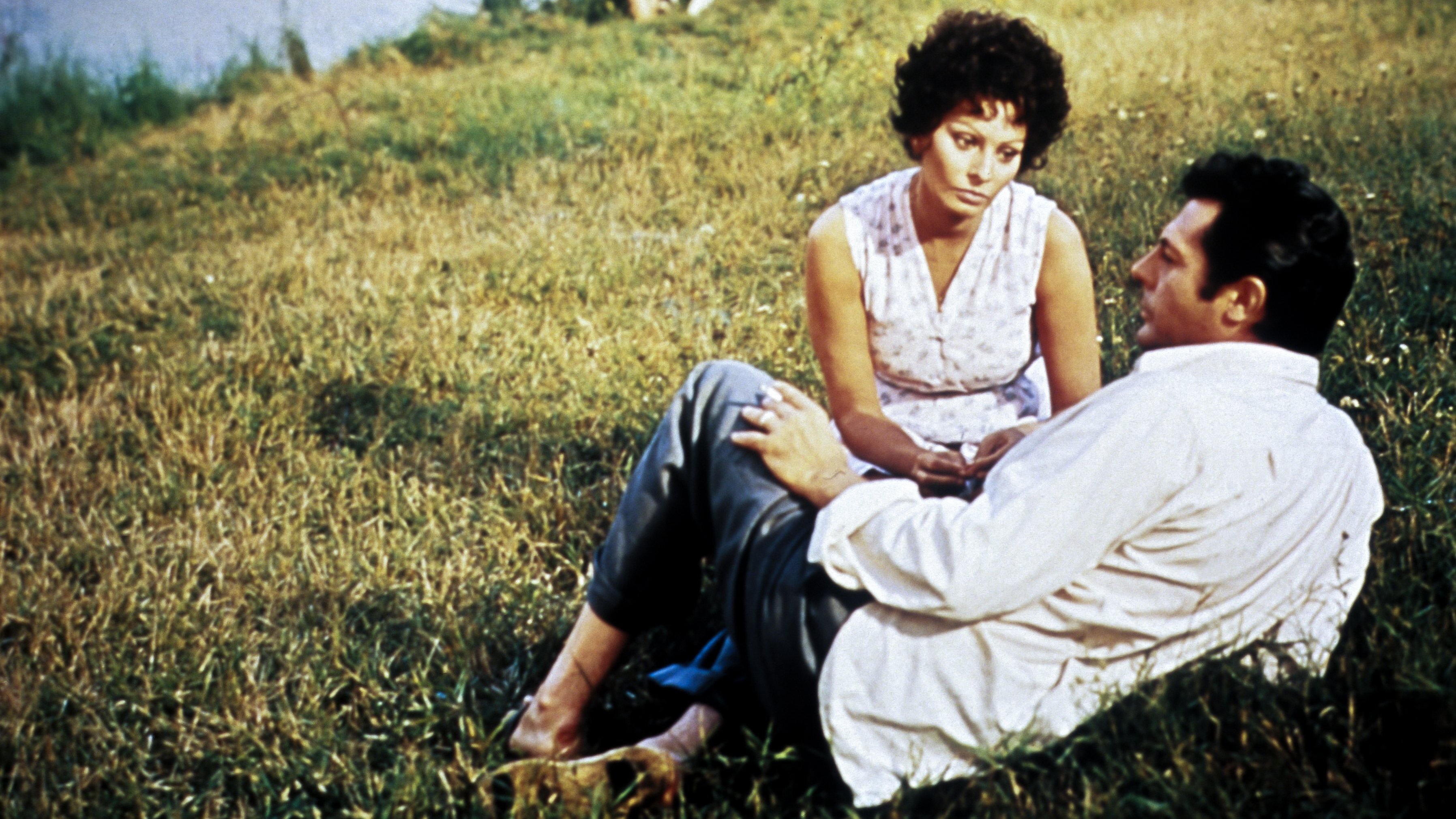
After World War II, a woman refuses to believe her husband, missing on the Russian front, is dead. Flashbacks reveal their brief courtship and marriage. Years later, she travels to Russia with his photo, determined to find him. What will she discover?
- / 5
PopScore
Representation

Pictures and Videos


Incluvie Gala

Movie Information


After World War II, a woman refuses to believe her husband, missing on the Russian front, is dead. Flashbacks reveal their brief courtship and marriage. Years later, she travels to Russia with his photo, determined to find him. What will she discover?

Rating:G
Genre:Drama, War
Directed By:Vittorio De Sica
Written By:Tonino Guerra, Cesare Zavattini, Giorgi Mdivani
In Theaters:9/24/1970
Box Office:

Runtime:109 minutes
Studio:C. C. Champion, Les Films Concordia, AVCO Embassy Pictures, Mosfilm

Articles You May Like


Review: The Roses – Marriage and the Sweet Taste of Revenge

The Roses is a wickedly sharp marital warfare comedy that transforms domestic dysfunction into high art. Olivia Colman and Benedict Cumberbatch deliver powerhouse performances as a couple whose fairy-tale romance implodes when his architectural career collapses just as her culinary empire takes off. What makes Jay Roach's remake so devastatingly effective is its refusal to pick sides—both spouses are equally sympathetic and monstrous, wielding Tony McNamara's razor-sharp dialogue like weapons forged from shared intimacies. It's a film that dares you to laugh at relationship wreckage while forcing you to confront the uncomfortable truth that the line between passionate love and mutual destruction is terrifyingly thin.

Nilufer Ozmekik

Short Film Review “With Arms Raised” A car ride, conversation, what we’ve experienced, personal judgements, and what we resort to is explored with both enigmatic then striking impact

“And I think to myself….what a wonderful world”. Louis Armstrong sang about this notion via his classic 1967 song, an ode to witnessing elements of our life that should be but some reminders of exactly what that concluding line of each verse indicates. Now we see our contemporary realities and, just being honest, it makes a sentiment like this seem SO overtly far away….perhaps even impossible….to accept or believe could be. It sounds harsh, but again, so much of what is occurring speaks not to beauty, but bedlam.

Kirk Fernwood