






Nevertheless, she persisted: Dora and the Lost City of Gold
Dora is the superhero we didn't know we needed.
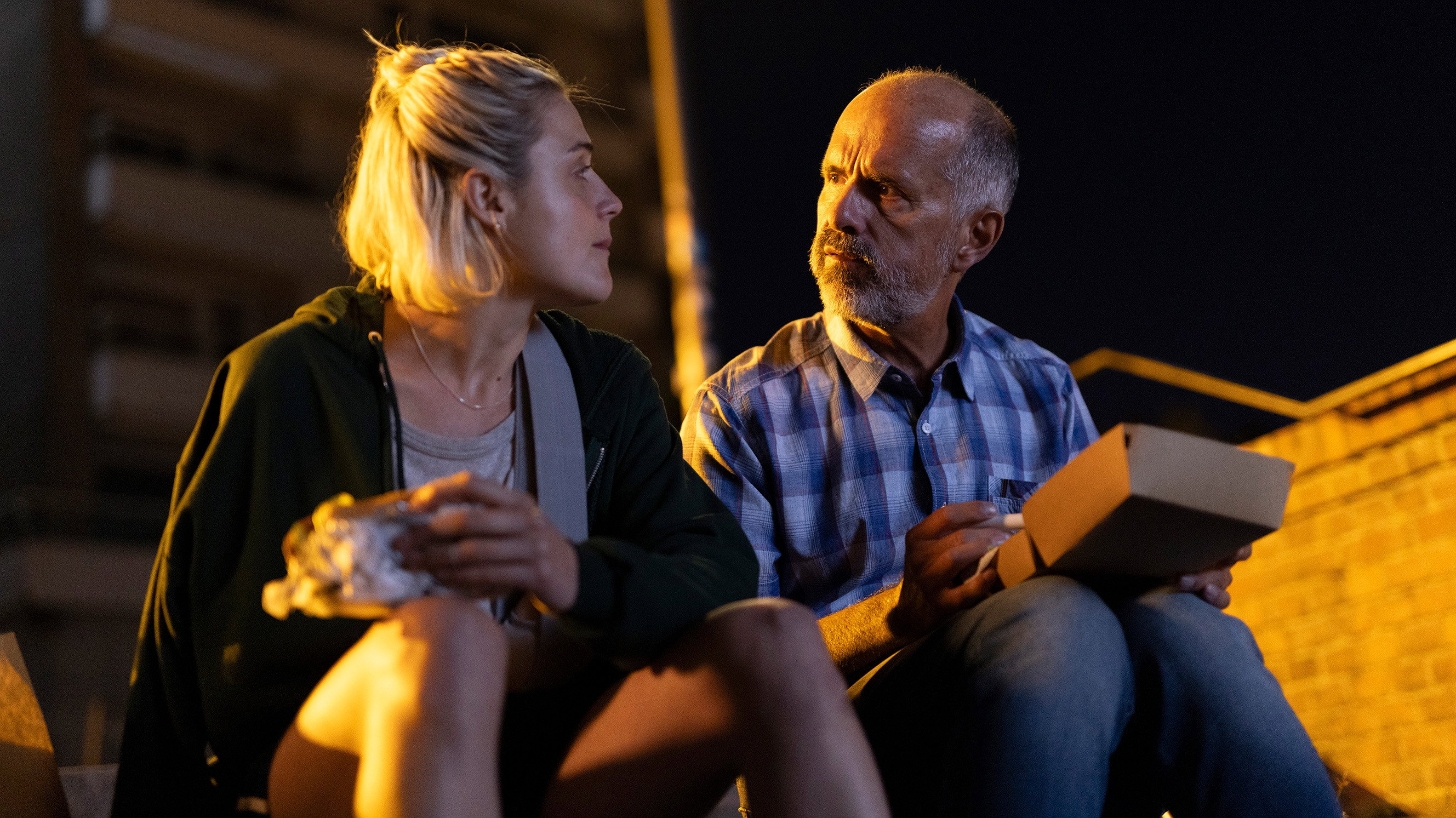



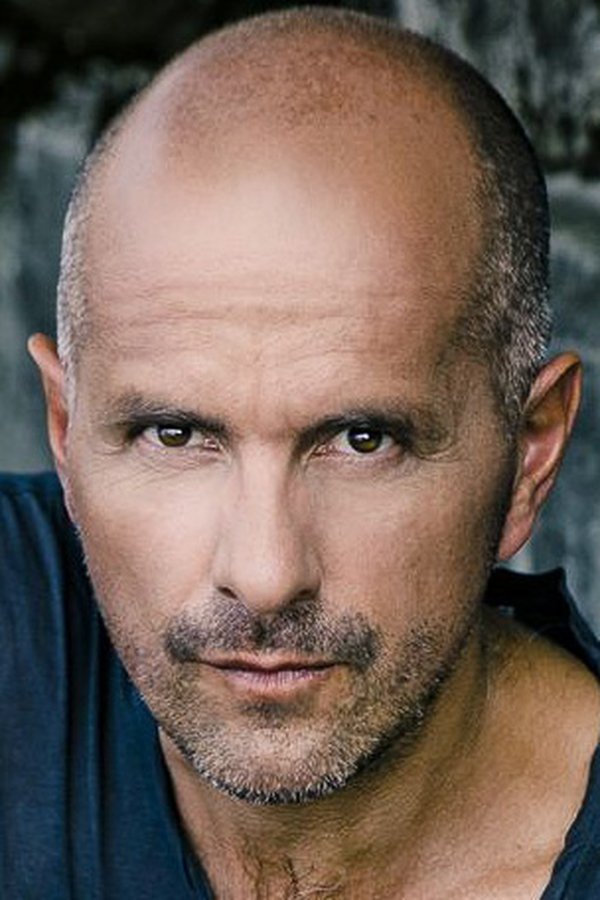
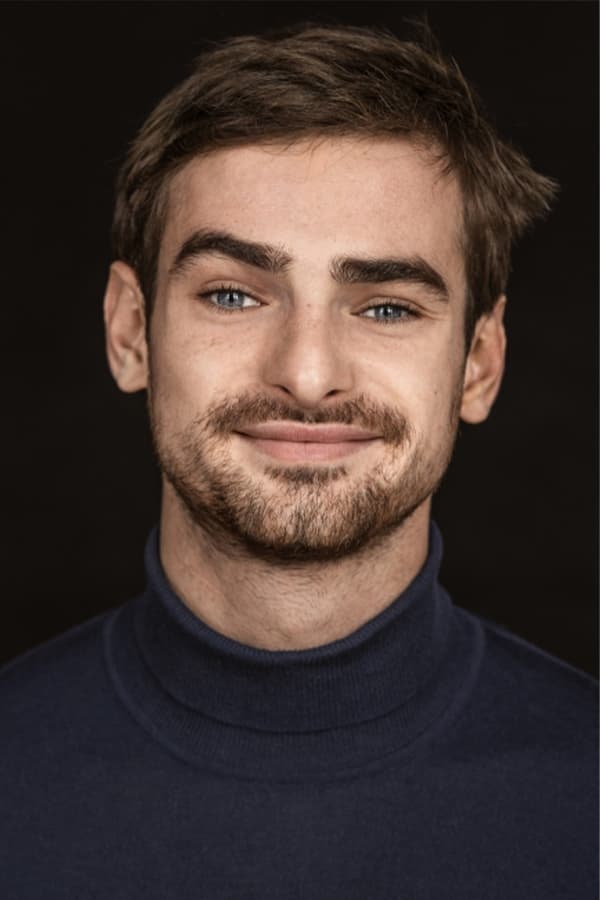
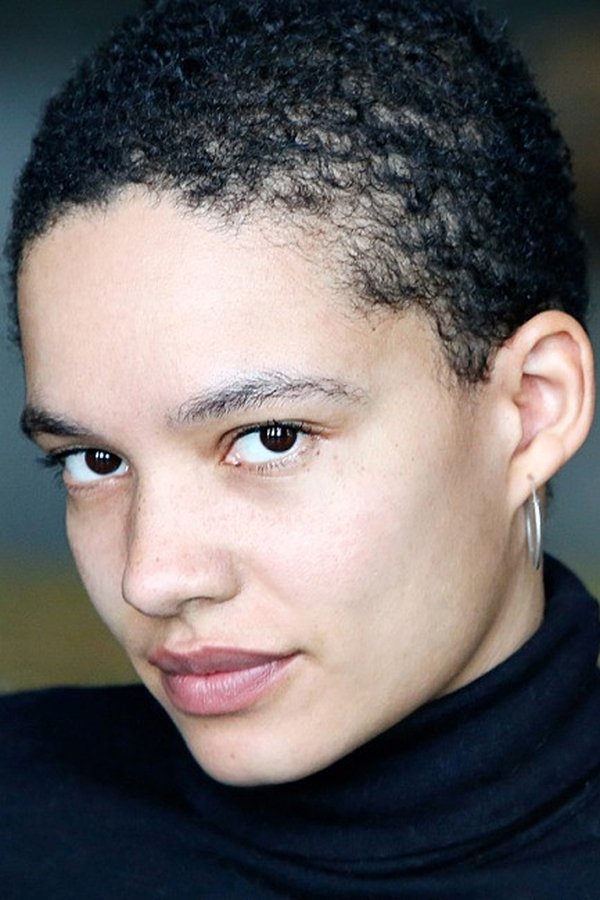
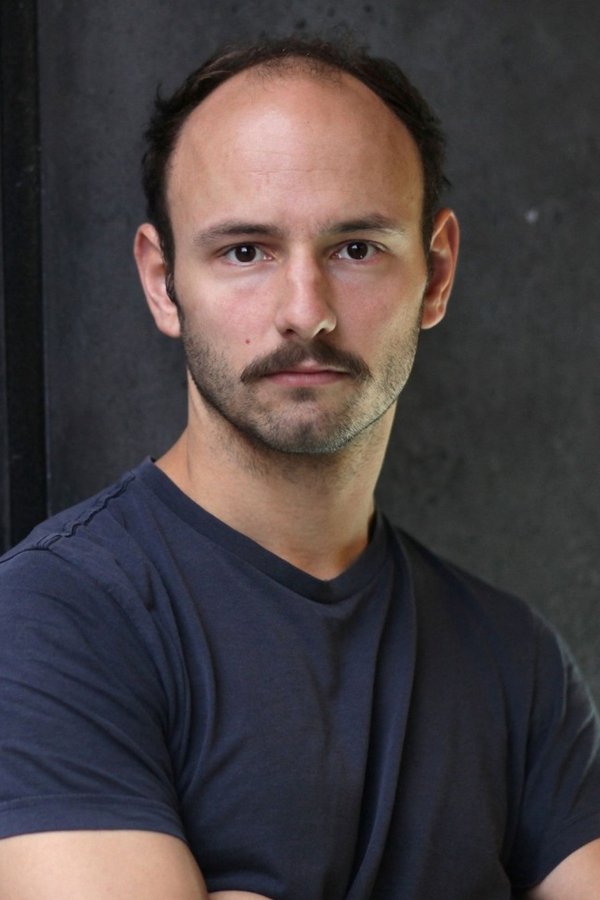
Les (Mala Emde) lives life fast, spontaneously, and carefree. By day, she races through the city as a bike courier; after work, she's off partying with her friends. Stopping, pausing, or thinking about the future? Not for Les. At least not until her father, Bert (Christoph Maria Herbst) – with whom she has virtually no contact – unexpectedly shows up at her door and, after an accident, even hops on his bike for his daughter without being asked. When Les then learns of her unplanned pregnancy, she's completely thrown into a new reality. The expectant father, Tyler (Aaron Hilmer), would love a child, but unfortunately, he's still a child himself. Les's world is turned upside down – and Bert hasn't even told her yet that he's going to die soon...
Dora is the superhero we didn't know we needed.
All in all, “Event Horizon” is a cinematic misfire, begging to be perfected in the future. While it possesses an array of admirable visuals, the film leaves much to be desired. If only we could see Anderson’s preferred cut, which featured more character development and tortuous imagery. In the meantime, I have a catchphrase for this film: In space no one can hear you snore.
As I typed this, Chris Evans was being “cancelled” on Twitter. I did a little research on this since I always thought Chris Evans was well-received. It turns out the backlash is because of a white savior movie he made called Red Sea Diving Resort.
Welcome to a special episode of the Incluvie Movie Highlights. This summer we held the Incluvie Short Film Festival. The film festival discovers and brings to light some outstanding short films starring main characters from diverse backgrounds, who are often overlooked in Hollywood. The filmmakers and actors from the 3 winning films came in and talked about their process and what it was like to make the film.
Rap Sh!t has been confirmed for a second season by HBO! Go watch it and support this creative exploration of Hip-Hop culture from Issa Rae.
The way Jeannette has to deal with child neglect makes her insecure about her parents and how she was brought up and raised in the United States. This continues into adulthood, where Jeannette becomes a successful journalist and is frequently asked about her parents by others.