

"Pretty Guardian Sailor Moon Eternal, Part 1"
Sailor Moon Crystal wisely makes the decision to adapt Season 4's Dream Arc into an epic anime movie where the Sailor Guardians shine brightest.
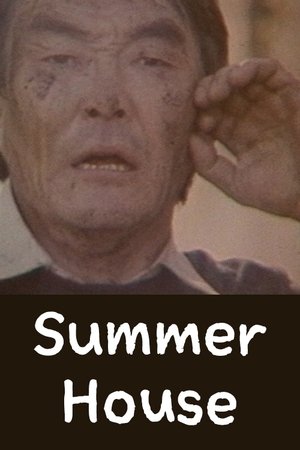


Produced for newly independent Sakha television in the early nineties, Summer House is a pioneering document of a film culture in the making. The directorial debut of actor Anatoly Vasiliev, who also stars, the film tells the seemingly simple story of a man returning to his native village to purchase a house, only to find himself caught between the worlds of the living and the dead. Drawing on deep wells of Sakha spirituality and folk symbolism, and cast with local, non-professional actors, Summer House is a rarely-seen gem of independent filmmaking and a key piece of Sakha film history.
Sailor Moon Crystal wisely makes the decision to adapt Season 4's Dream Arc into an epic anime movie where the Sailor Guardians shine brightest.
With so many binge-worthy TV shows floating around and new ones constantly being released, I have compiled a list of some more recent TV shows that rank high on the diversity scale for both the cast and crew.
People are so much deeper and far more extraordinary than what gender they were assigned at birth.
I have been a long-time fan of the Marvel Cinematic Universe ever since it made its official debut through 2008's absolutely excellent "Iron Man". The run continued, as did my associated fandom of the films, through the utterly EPIC 2019 finale "Avengers: Endgame".
Sorry to Bother You ultimately speaks to the unfair advantages that the country’s power structures award to those with the resources to control others, as Lift’s easy access to the media allows his opinion to be the only one that matters in the eyes of the unsuspecting and easily impressed public. Moreover, it reveals the extent to which the American Dream has any true validity. It postulates how the promise of success and fulfillment as promoted by the American Dream more often than not leads to the undoing of the individual. Interestingly, in its revealing of the American Dream as merely a facade, Sorry to Bother You wisely questions whether or not anything can really be done to undo a system that has been accepted and in action for centuries.
This romance movie has strong representation of Taiwanese people.