Dead Poets Society Steals a Queer Story
Dead Poets Society relies on patriarchal tropes such as overbearing fathers, contrived brotherhood, and faux-individuality in order to portray its straight white male characters as oppressed.




21-year-old Hideo Ishida is a reckless young man. Today again, he took part in a car race with a stolen driver's license and a car belonging to the junkyard. But unfortunately, things go wrong and after a collision with another car, the seriously injured Hideo is taken to the hospital. Here he meets the nurse Yuki Kobayashi. Yuki is the opposite of Hideo. During the day she works as a nurse and in the evening she studies hard. However, Hideo's behavior leaves an unforgettable impression on Yuki and the two soon develop an intimate friendship ...

Shigeyuki Yamane
Director


Hiromi Go
Hideo Ishida

Kumiko Akiyoshi
Yuki Kobayashi

Akira Ishihama
Dr. Yoshikawa

Mari Nakayama
Toshiko Edokawa

Gajirō Satō
Hitoshi

Noriko Sengoku
Yuki's mother
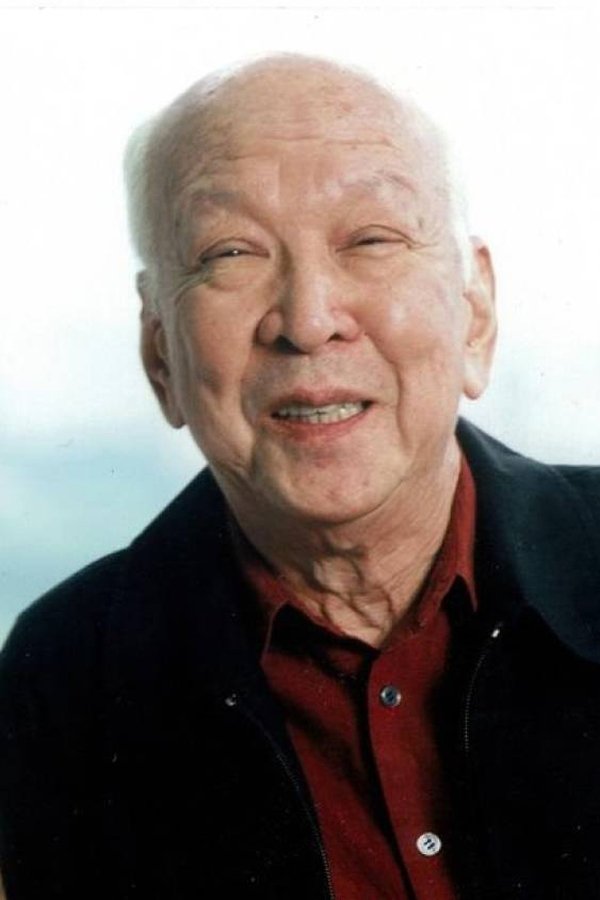
Hideji Ōtaki
Teacher Inagi
Masaro Sato
Jin Takahashi
Katsumi Sawada
Brother-in-law Rikio
Hotaka Minoru
Obstetrician and Gynecologist
Makoto Tomoko
Oriie Ze
Dead Poets Society relies on patriarchal tropes such as overbearing fathers, contrived brotherhood, and faux-individuality in order to portray its straight white male characters as oppressed.
When Eddie Palmer is released from prison he returns home and he meets Sam, soon becoming his primary caregiver.
This Netflix series is about Ashley Garcia, who gets a once in a lifetime opportunity to work at NASA.
The film blends reality and the supernatural world together, leaving the viewer unsure of what’s real and what’s merely a figment of Michael’s agitated imagination.
Word of mouth has been incredible, but the film's faults cannot be ignored.
(Disclaimer: Harmful Language) In celebration of Pride Month, Father's Day, and father figures (and whoever supports you), I revisit Moonlight's brief but spectacular character, Juan. With overarching themes tied to masculinity, I reexamine his intimacy with Little.