


What We Do in the Shadows (of Our Closet Walls)
There’s enough evidence to insinuate that What We Do in the Shadows is intentionally queer-coded.



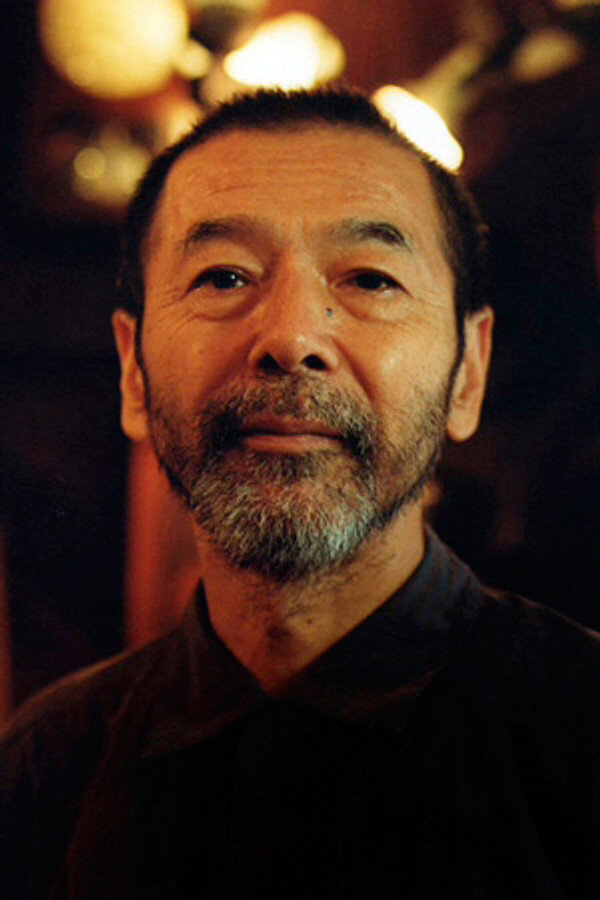
In the winter of 1922 (Taisho 11), a poet and social activist Nakahama Tetsu returned from a wandering journey to reunite with Furuta Daijiro and other comrades. They organized an anarchist organization “Guillotine Society” dreaming of revolution. For their ideal, they targeted the Prince of Wales who visited Japan, but failed in all their attempts. Matsuura Emile, a soba selling mysterious woman with all foreseeing eyes, comes and goes before them. In September of 1923 (Taisho 12), under martial law, anarchists Osugi Sakae and Ito Noe whom members of Guillotine Society adored were taken by Captain Amakasu of the military police, and killed. When they learned of the murder, members of Guillotine Society swore vengeance, and rose up… Then, transcending time, at a cafe, music rings loud….
There’s enough evidence to insinuate that What We Do in the Shadows is intentionally queer-coded.
The definition of the word foul is “offensive to the senses,” which is a pretty good summation of the new Disney+ film, Artemis Fowl
'Selena: The Series' loses sight of the story's heart: Selena herself.
Wanda and Vision are suffering under the stress of parenting their twin boys.
"Up" features one of Pixar's few Asian-American heroes and explores the institutionalized hardships elderly people face. Also, Dug is a good boy.
Yes, Asia is actually quite a large hub for amazing horror films even to this day, some people just never notice! Well, I'm here to change that. It's time to not let those words at the bottom of the screen scare you but instead be scared by some of the best horror you never knew about.