


Sweet Girl's Mind-Boggling Twist Makes the Movie... Feminist
For the most part, 'Sweet Girl' recycles tired hyper masculine revenge tropes, but a surprise twist in the end turns it into a female-centric revenge film.
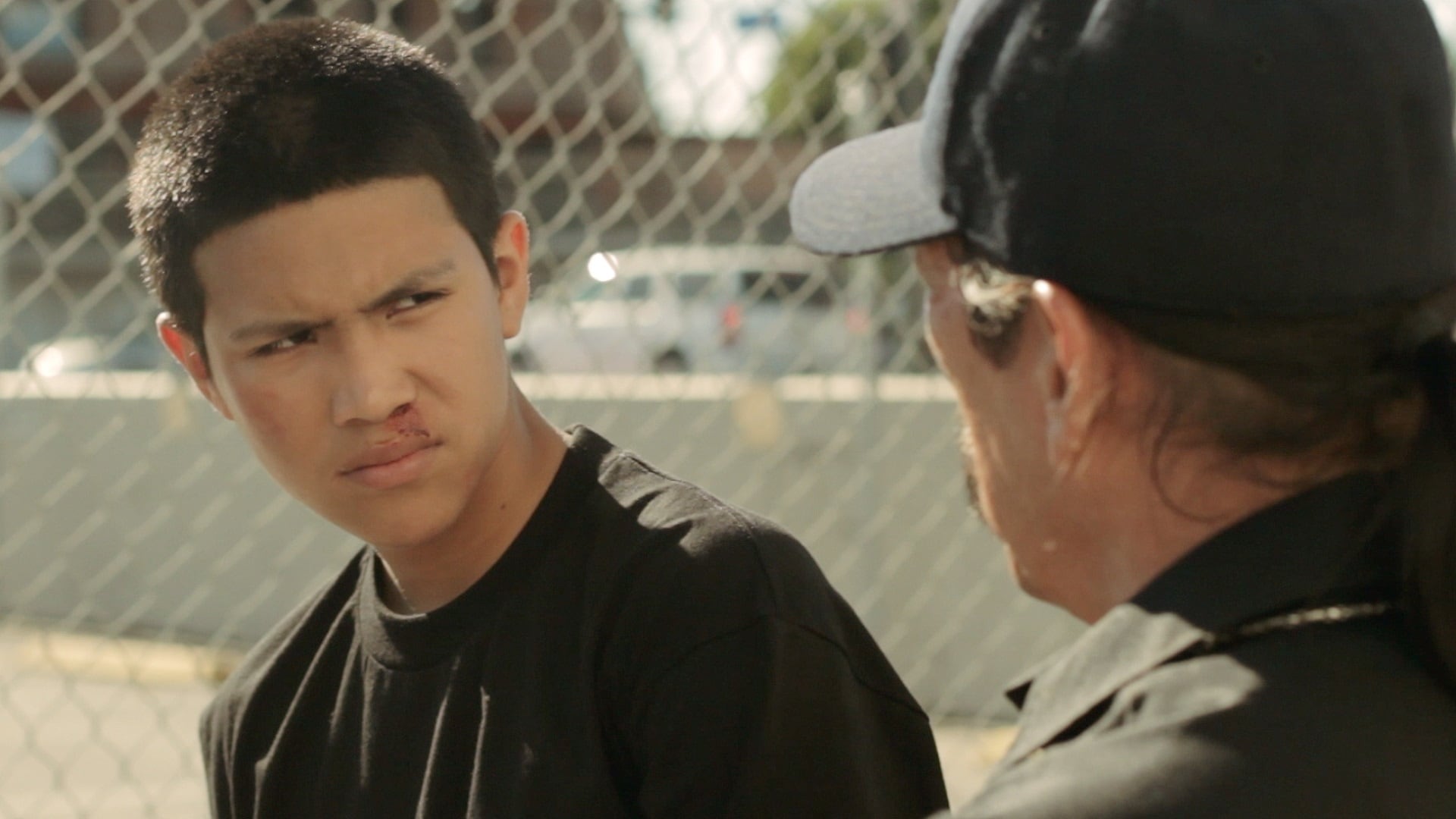
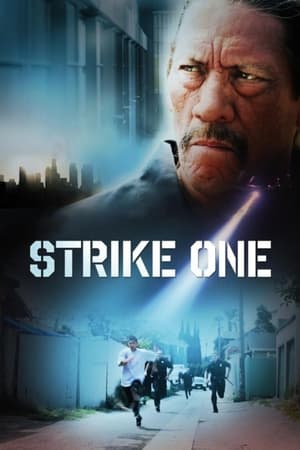


Juan Garcia is a boy on the threshold of manhood living in a gang-controlled neighborhood. His role models could not be further apart: his older sister Angie, a single mom, struggling to gain a foothold in the white corporate world and his uncle Manny, an ex-gang member, who has fallen into an acting career playing gang bangers since his release from prison. With the future on his doorstep, Juan, like most boys, can only think of girls and is unaware of the judicial system's hard line stance against gang affiliation.
For the most part, 'Sweet Girl' recycles tired hyper masculine revenge tropes, but a surprise twist in the end turns it into a female-centric revenge film.
The live-action remake brings adventure and shows viewers why representation is important in a Disney Princess movie.
Although not canonically aromantic or asexual. the stories and personalities of these Disney princesses resonate with members of the aroace community.
In Spike Lee’s She’s Gotta Have It (1986), we follow the love life of powerful female protagonist Nola Darling (Tracy Camilla Johns) and explore the relationship dynamics she has with her partners. She sees three men simultaneously: Greer Childs, (John Canada Terrell) Mars Blackmon (Spike Lee), and Jamie Overstreet (Tommy Redmond Hicks). Though an 80’s film, She’s Gotta Have It is surprisingly progressive with its themes of female sexuality, although at some points in the film it is handled clumsily. Overall Nola is an incredibly compelling character especially for modern women, as we as a society acknowledge female sensuality more and more without the negative stigma.
This list was made with the intention of celebrating comedic craft and a love of seeing more women of colour and newcomers on the scene.