



Sick or Evil or Both: “My Friend Dahmer” and the Coverage of White Killers
This HBO mini-series asks why a young white man turned to violence and finds no easy answers. But why do we only ask questions about certain kinds of killers?
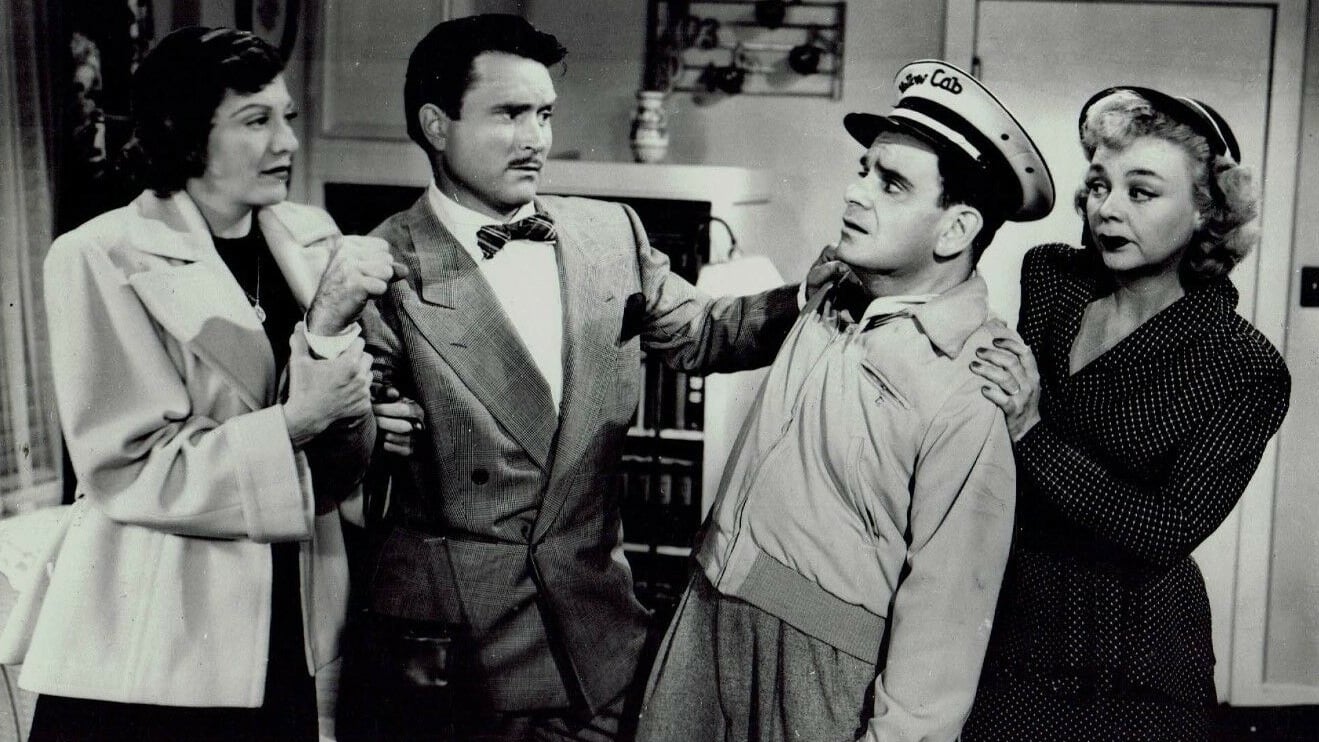
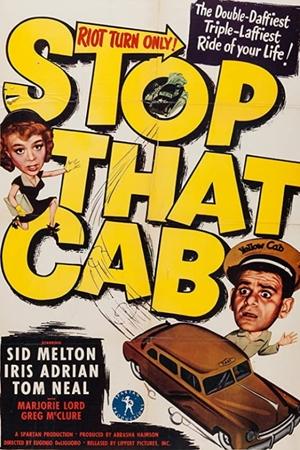


The trials and tribulations of a cab driver working the night shift, who must put with an assortment of crazies, hardcases and sob stories during work and then has to come home to a loud, argumentative, shrewish wife.
This HBO mini-series asks why a young white man turned to violence and finds no easy answers. But why do we only ask questions about certain kinds of killers?
While everyone was going gaga over The Odyssey, Desert Warrior was quietly taking audiences on an epic Arabian “knights of the sand table” adventure
The Season 3 finale overall upholds everything that Incluvie is primarily concerned about when it comes to media content
Apparently, nothing's ever enough. It has its flaws, but does that warrant the amount of criticism 'Barbie' is subject to?
Throughout Brendan Fraser’s career, he has played a plethora of unique, layered characters who explore the importance of not being afraid to display your emotions, something that is often seen to not be a masculine trait. This idea of regulating emotion and what traits men are able to possess creates a toxic atmosphere for men who are often told they should not cry or represent their emotions in any physical way. These characters represent that men can be joyful, emotionally conscious, and sensitive, while also representing their masculine identity instead of painting those qualities as fighting against their masculinity.