





The Final Season of ‘Superstore’ Sends off an Inclusive Gem
Where we leave the characters is in such a peaceful and optimistic place. It feels well-earned to ensure everyone gets their own specially-crafted happy ending.

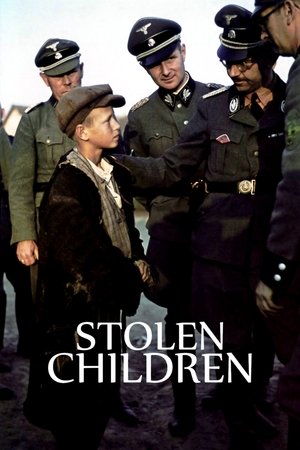


June 1941, during World War II. Reichsführer-SS Heinrich Himmler orders the mass abduction of particularly well-bred young children from Poland and the occupied territories of the Soviet Union in order to be educated in German culture, by both state schools and German families…
Where we leave the characters is in such a peaceful and optimistic place. It feels well-earned to ensure everyone gets their own specially-crafted happy ending.
Initially feeling like a passionate group having a bit of harmless fun with filmmaking, it leads to something sinister enough to leave a mark.
Our protagonists perform as the opposite gender while still preserving the parts of their personalities that makes themselves who they are.
A consumed-by-rage woman travels from universe to universe to avenge the death of her daughter by brutally killing her murderer over and over again. And that's all that she does.
Amberley Snyder, a young woman whose injury leaves her with a disability, shows viewers that her handicapped state won't stop her from competition.
Tarantino's alternative history of the 1960's uncritically repeats the era's sexist and racist stereotypes.