
Once Upon a Time in (White) Hollywood
Tarantino's alternative history of the 1960's uncritically repeats the era's sexist and racist stereotypes.
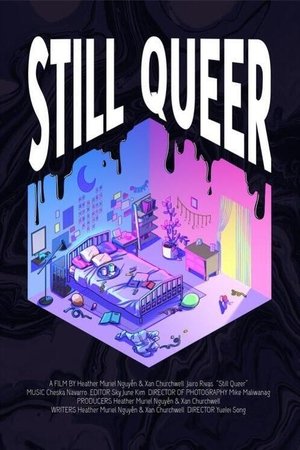


After a long period away, T struggles to maintain their strained friendship with Gwin, as they find themselves monitored by a persistent disembodied voice demanding an answer.
Tarantino's alternative history of the 1960's uncritically repeats the era's sexist and racist stereotypes.
This year, in light of the pandemic and the inability to gather with our loved ones, a few of our staff members reviewed their favorite holiday films with the hope of recreating some of the sentimentality that reminds us of home.
It’s been five months since Wayward premiered on Netflix and it still has some of us in a choke-hold.
Films and TV series often tend to misrepresent or not acknowledge bisexual characters, but recent trends show that bi-erasure is now under deserved scrutiny. So, I’m genuinely happy about the direction bi-representation seems to be taking.
The sequel to the first film, A Second Chance: Rivals! talks about Maddy combating cyberbullying and racism.
The thing is, people like Wahlberg will only apologize if they have something to lose, which he did. His glamorous life, his reputation, and his career were all at stake.