Twin Peaks: Why LGBTQ Ally Depiction is Crucial
Portraying how easy it is to be an ally heavily benefits the majority audience. The more we encourage it, normalize it, and give people the tools to become one, the sooner we can co-exist peacefully.



In the fall of 1974, the quiet town of Pinecrest is shattered when a teenager’s birthday party ends in an unthinkable tragedy—leaving behind a single survivor and a crime scene unlike anything the town has ever seen.

Paolo Cerrino
Director
Shelby Slager
Shirley Holden
Coleman Payne
Will Frye
Chris Lemchi
Detective Sloan
Kelly Bohart
Melissa Chandler

Kellon Ries
Officer Carson
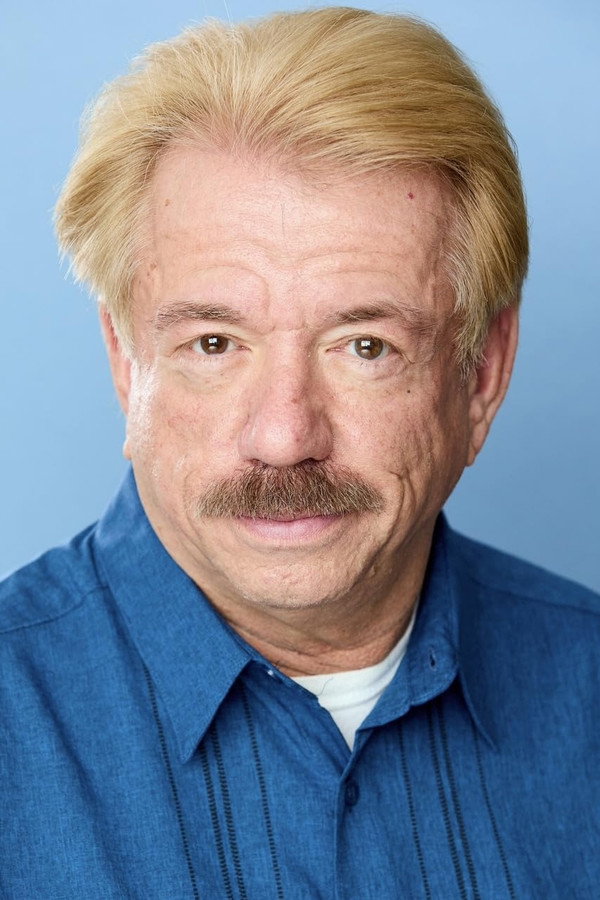
Steve Crawford
Paul Greene

Joanne Zimbler
Kathleen Landerson
Sydney Michelle Grey
Mrs. Frye

Chris Pinto
Mr. Frye
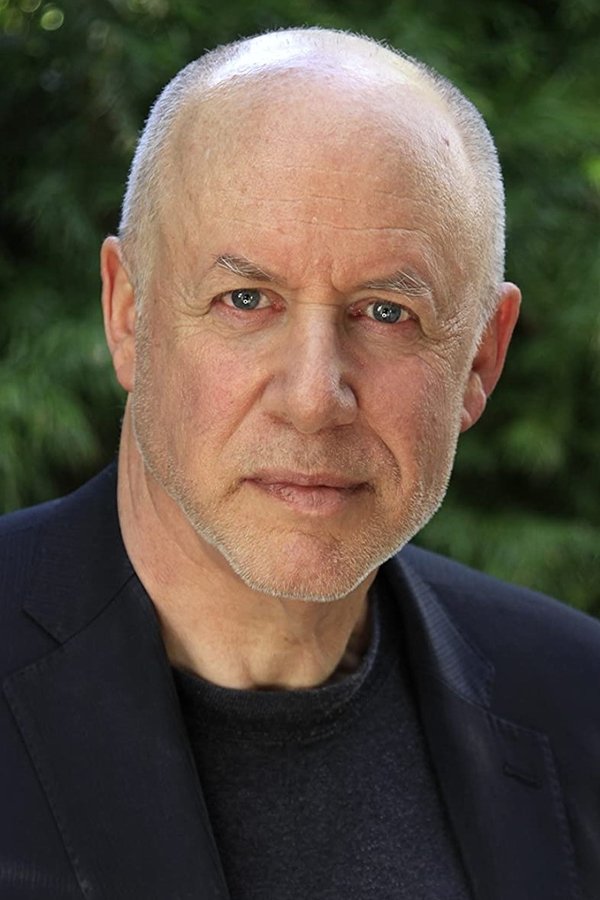
David Alan Graf
Forensic Officer
Luca Jarosz
David
Portraying how easy it is to be an ally heavily benefits the majority audience. The more we encourage it, normalize it, and give people the tools to become one, the sooner we can co-exist peacefully.
Throughout Brendan Fraser’s career, he has played a plethora of unique, layered characters who explore the importance of not being afraid to display your emotions, something that is often seen to not be a masculine trait. This idea of regulating emotion and what traits men are able to possess creates a toxic atmosphere for men who are often told they should not cry or represent their emotions in any physical way. These characters represent that men can be joyful, emotionally conscious, and sensitive, while also representing their masculine identity instead of painting those qualities as fighting against their masculinity.
What makes the lighting in Casablanca even more impressive is how it reflects the emotional states of the characters without needing explicit dialogue.
Ian and Barley embark on a quest to find a magical gem to restore their father back to life.
With a quirky outline, Project Hail Mary stays within the bounds of human language and imperial fantasy.
The nations of Wakanda and Talokan enter war over their opposing viewpoints on dealing with the destructive hearts of humankind on the surface world.