







“Onward” and Upwards!
Ian and Barley embark on a quest to find a magical gem to restore their father back to life.

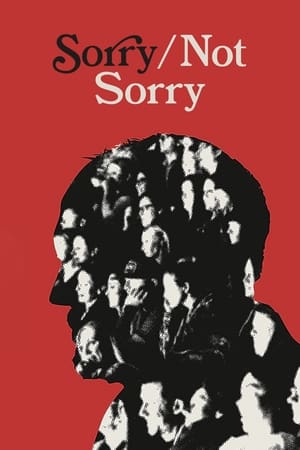


An inside look at Louis C.K.’s public downfall and surprising return to the stage. Featuring interviews with three women -- Jen Kirkman, Abby Schachner, and Megan Koester -- who spoke up about his sexual misconduct, New York Times journalists who broke the story, and fellow comedians and writers such as Michael Ian Black, Michael Schur, and Aida Rodriguez. Invites viewers to question whose stories and whose art we value, and at what cost. A New York Times production.
Ian and Barley embark on a quest to find a magical gem to restore their father back to life.
I believe in homages, but there's a proper way to borrow a creative idea instead of making it appear as if you hit the copy and paste button. Most likely, anyone is better off simply reading the books. Or just put on Scream.
In all actuality, “Just Mercy” should be labeled a “wall punching narrative.” Constantly, the flick throws high forms of adversity our way, amping up our most inner levels of discomfort. Filmmaker Destin Daniel Cretton wonderfully paces the film in such a way that replicates the slow-burn nature of justice.
In Jeymes Samuel's history-infused, neo-spaghetti western, Black women are center stage with a fresh hip hop mixtape keeping rhythm in the backdrop.
Despite everything it was capable of, all of these poor choices strung together amount to nothing more than a counter-productive film.
Sorry to Bother You ultimately speaks to the unfair advantages that the country’s power structures award to those with the resources to control others, as Lift’s easy access to the media allows his opinion to be the only one that matters in the eyes of the unsuspecting and easily impressed public. Moreover, it reveals the extent to which the American Dream has any true validity. It postulates how the promise of success and fulfillment as promoted by the American Dream more often than not leads to the undoing of the individual. Interestingly, in its revealing of the American Dream as merely a facade, Sorry to Bother You wisely questions whether or not anything can really be done to undo a system that has been accepted and in action for centuries.