








Silliness and the Undead - Zombieland: Double Tap
'Zombieland: Double Tap' was entertaining and fun at times, but not very evolved. It had poorly developed female characters and stereotypical characters of color.
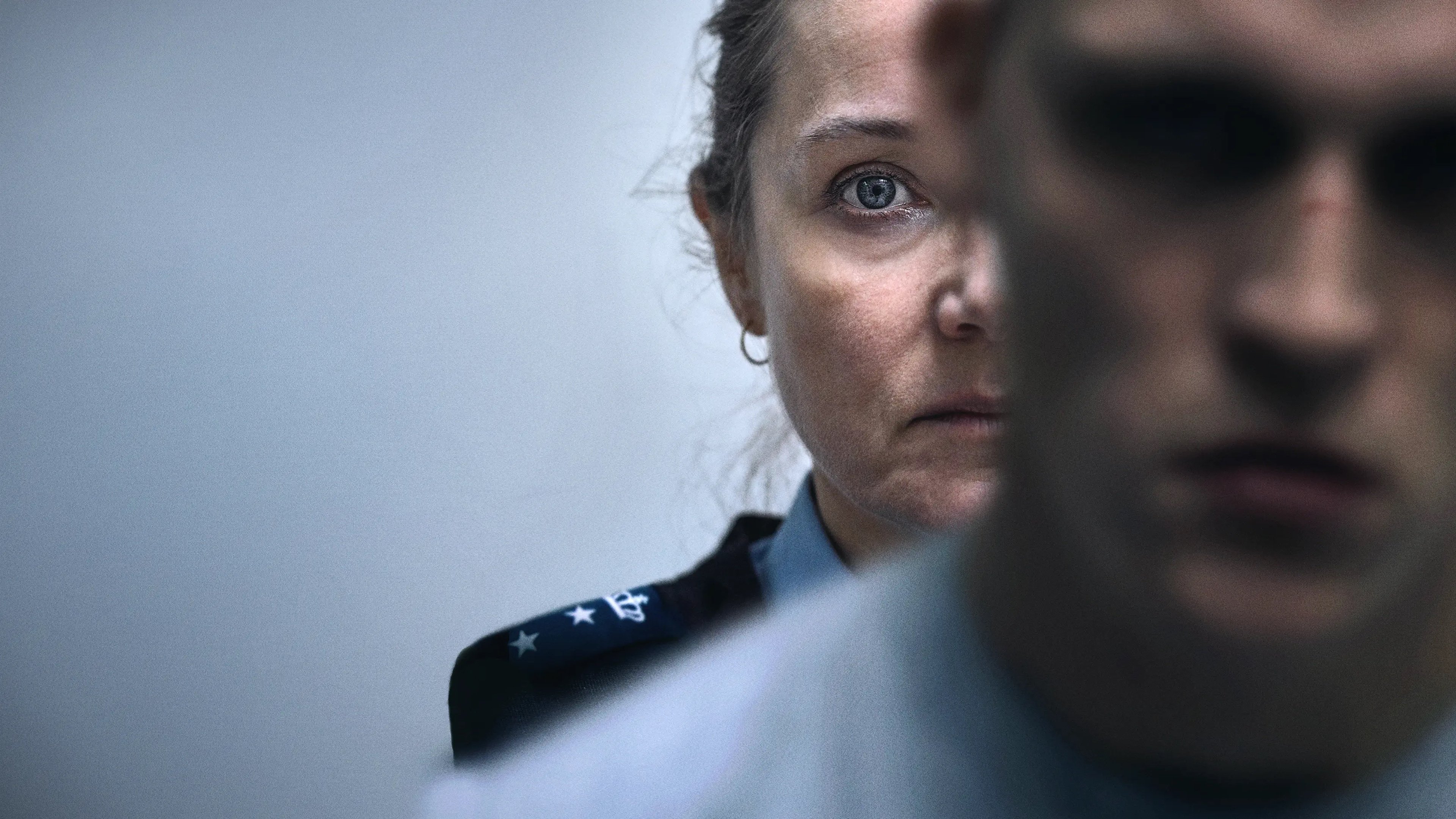
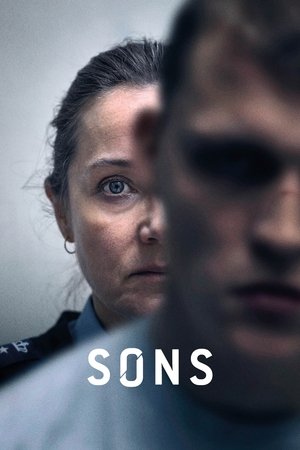


Eva, an idealistic prison officer, is faced with the dilemma of her life when a young man from her past gets transferred to the prison where she works. Without revealing her secret, Eva asks to be moved to the young man’s ward – the toughest and most violent in the prison. Here begins an unsettling psychological thriller, where Eva’s sense of justice puts both her morality and future at stake.
'Zombieland: Double Tap' was entertaining and fun at times, but not very evolved. It had poorly developed female characters and stereotypical characters of color.
'Don't Make Me Go' is what you would expect, Wally and her father, Max, clash tremendously and don't understand each other. Although, it's very heartwarming.
At first glance, one wouldn't think John Carpenter's cult classic would be a thematic double-billing - or that Free Guy would be worthy of being mentioned in the same sentence as They Live - but the two films of vastly different genres have more similarities upon further examination.
Who said Batman is the only hero to rock the black cape? This article will explore vampires as trans allegories and the femme fatale trope being remastered.
In Spike Lee’s She’s Gotta Have It (1986), we follow the love life of powerful female protagonist Nola Darling (Tracy Camilla Johns) and explore the relationship dynamics she has with her partners. She sees three men simultaneously: Greer Childs, (John Canada Terrell) Mars Blackmon (Spike Lee), and Jamie Overstreet (Tommy Redmond Hicks). Though an 80’s film, She’s Gotta Have It is surprisingly progressive with its themes of female sexuality, although at some points in the film it is handled clumsily. Overall Nola is an incredibly compelling character especially for modern women, as we as a society acknowledge female sensuality more and more without the negative stigma.
The Rocky Horror Picture Show not only supported Tim curry queer individuals who were closeted or harassed. It made people question their identity, orientation, and lifestyles that they never had before.