“Omaha”: Innocence Broken by Economic Injustice
Omaha reminds us of what it can feel like to look at old family photographs. You sit with the bittersweetness, allowing it to wash over you; not drowning in it, but certainly affected by it.
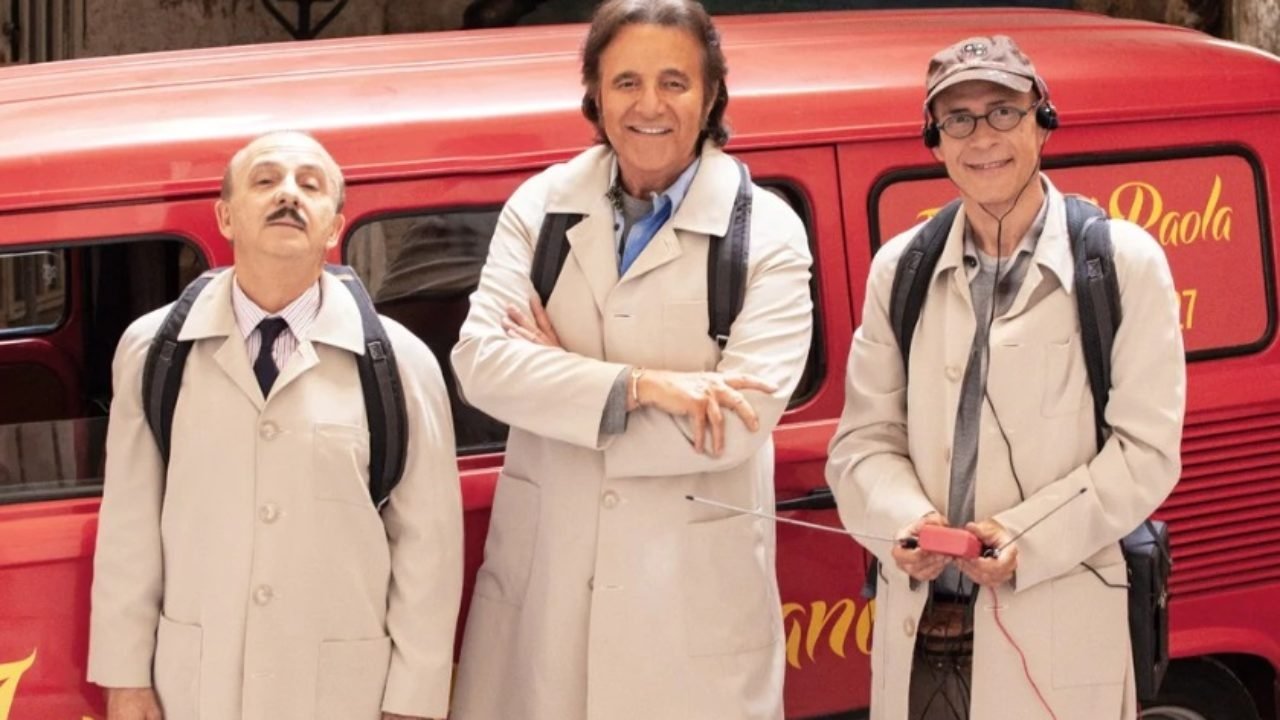
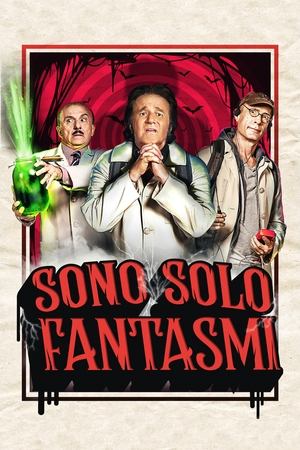


Thomas, a struggling former magician, and Carlo, a Neapolitan submissive to his Northern wife and father-in-law, are two half-brothers who reunite after years in Naples following the death of their father, Vittorio, an inveterate gambler and womanizer. They discover they have a third brother, Ugo, who appears a bit dim-witted but is actually a genius. The inheritance Thomas and Carlo covet disappears due to their father's debts, and the three have a brilliant idea: to exploit Neapolitan superstition and credulity by becoming "ghostbusters." Just when their business seems to be unexpectedly successful, the spirit of their father, Vittorio, takes possession of Carlo's body. Thomas and Carlo become convinced that ghosts really do exist. Meanwhile, the ghosts captured by the trio break free and go to awaken the ghost of a witch who threatens to destroy Naples. With their father's help, the three brothers try to save the city.
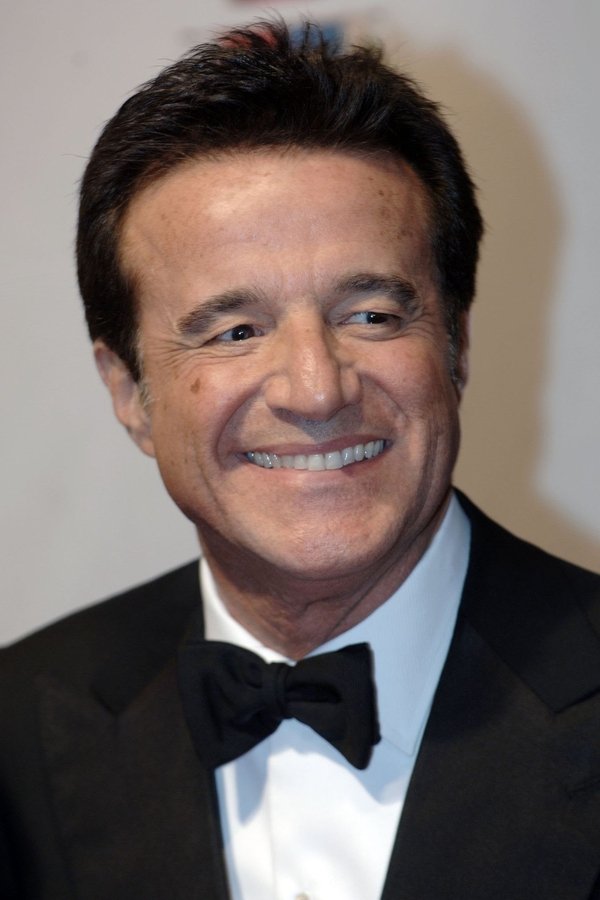
Christian De Sica
Director

Christian De Sica
Thomas/Vittorio Di Paola
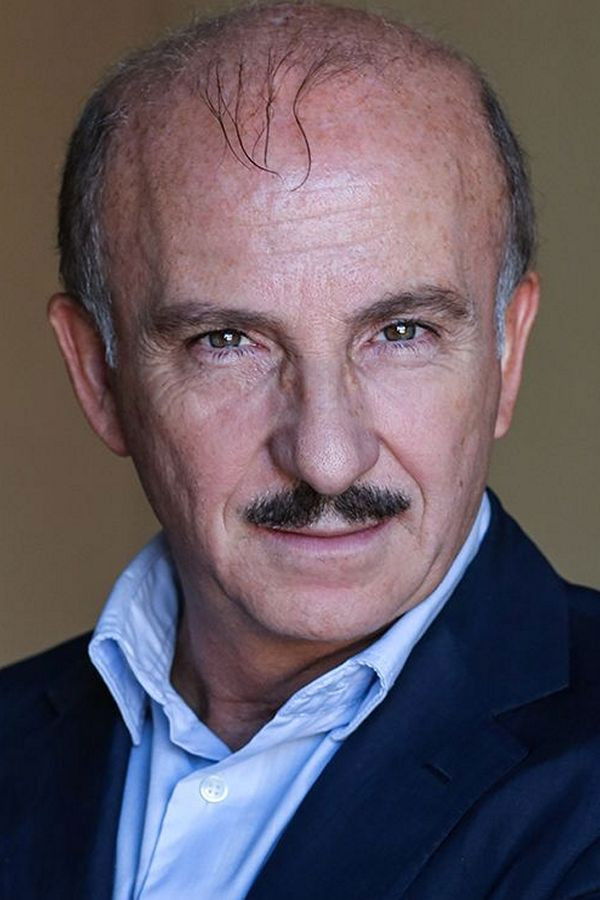
Carlo Buccirosso
Carlo

Gianmarco Tognazzi
Ugo

Leo Gullotta
Signore distinto

Lucianna De Falco
Signora Franca Vasta

Francesco Bruni
Dante Mingione
Valentina Martone
Rosalia Mingione
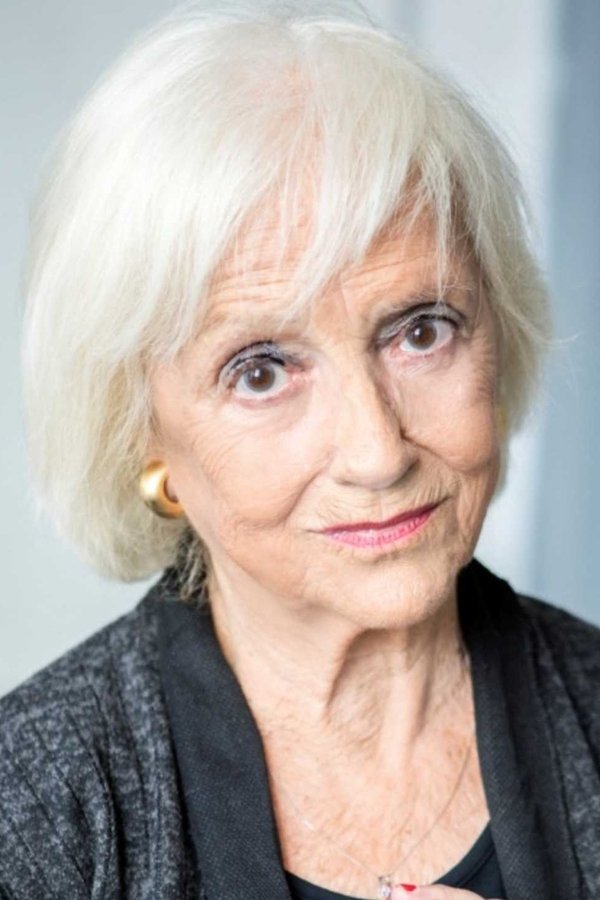
Graziella Marina
Vecchietta Teatro

Mimma Lovoi
Signora aristocratica

Marzia Onorato
Nunzia Palazzo

Ippolita Baldini
Serena
Omaha reminds us of what it can feel like to look at old family photographs. You sit with the bittersweetness, allowing it to wash over you; not drowning in it, but certainly affected by it.
Like many things, like animals and people, they always evolve. When the first humans walked the Earth, they originated from Africa and were all black.
'An American Werewolf in London' possesses a possible queer reading in the way it envisions a heterosexual romance being undone by the presence of a creature who embodies self-contentment in the face of social alienation.
Zombie apocalypses have been metaphors for late-stage predatory capitalism, but never a system disrupter that brings about freedom.
Writer and producer of 'Remember Me: The Mahalia Jackson Story', Ericka Nicole Malone discusses her humble beginnings in the industry.
The more biting satire is reserved for those on top of the power structure, such as the police, while those occupying lower levels are given more nuance and likability, even if they operate on the wrong side of the law. This principle gives Deep Cover its heart.