






'Young Royals' Review
'Young Royals' is a great example of positive gay representation in its two main protagonists, but the supporting characters are often frustratingly selfish.
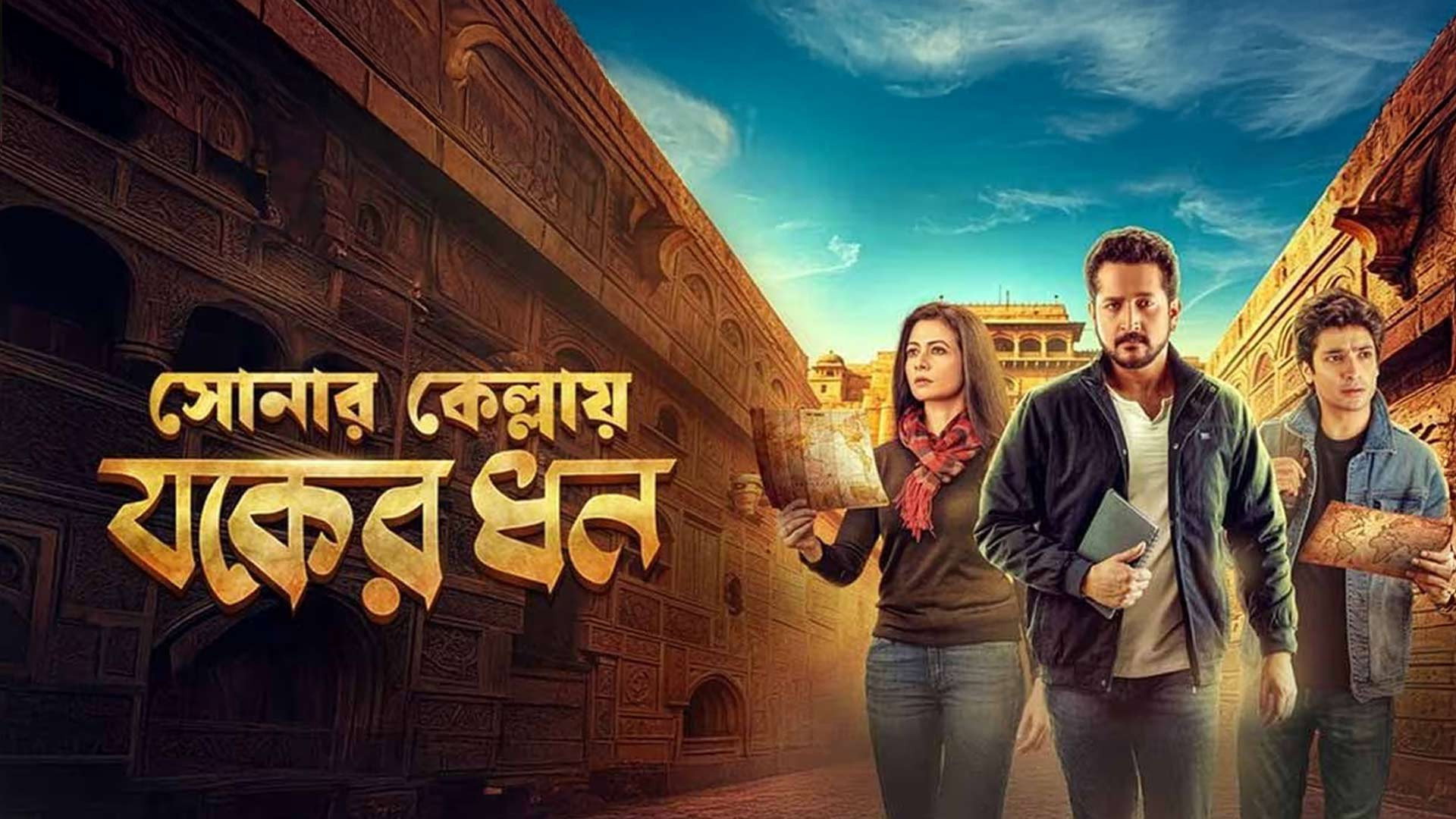



The adventure that began in Sonar Kella continues. Haunted by visions of a hidden treasure, Mukul Dhars fate is on the line. As danger closes in, Bimal, Rubi, and Kumar set off on a thrilling journey through the secrets of Jaisalmer Fort. Chasing riddles, uncovering legends, and seeking a mythical stone, they venture into a world that could change their lives forever.
'Young Royals' is a great example of positive gay representation in its two main protagonists, but the supporting characters are often frustratingly selfish.
It's not love. It's Obsession. The hook of this movie is the tension between wanting to be loved and the fear of being all-encompassed by that love. It plays on men’s typical (though certainly not universal) inner-conflict
CODA' is about a child of deaf adults torn between staying with her parents and her dreams of pursuing music. This film is a step forward for deaf representation and disability in movies despite negative messages about the burden of actors deaf deafness.
It only seems to prove that when the company had their backs against the wall and needed an all pleasing, generic movie that had to make up for The Last Jedi, they chose to sacrifice almost everything that made their main protagonist interesting and that made her stand out as the strong female character that a generation of young movie goers was supposed to look up to. Instead, we were left with a Rey that was so much less than she could have been. And I guess that’s the real story of Rey and The Rise of Skywalker; they could have been so much more, but they were just more of the same.
Disney’s Hunchback of Notre Dame is a unique film coming from the same studio that brought us The Little Mermaid and Aladdin. While it does have its silly moments to maintain Disney’s family-friendliness, it also carries themes that stick to audiences years after its release.
I understood post-memory as passing down stories and images of one’s experiences that are not your own. For decades, rape has been depicted in cinema through a third-person perspective, leaving the viewer to observe rape; not to experience it.