

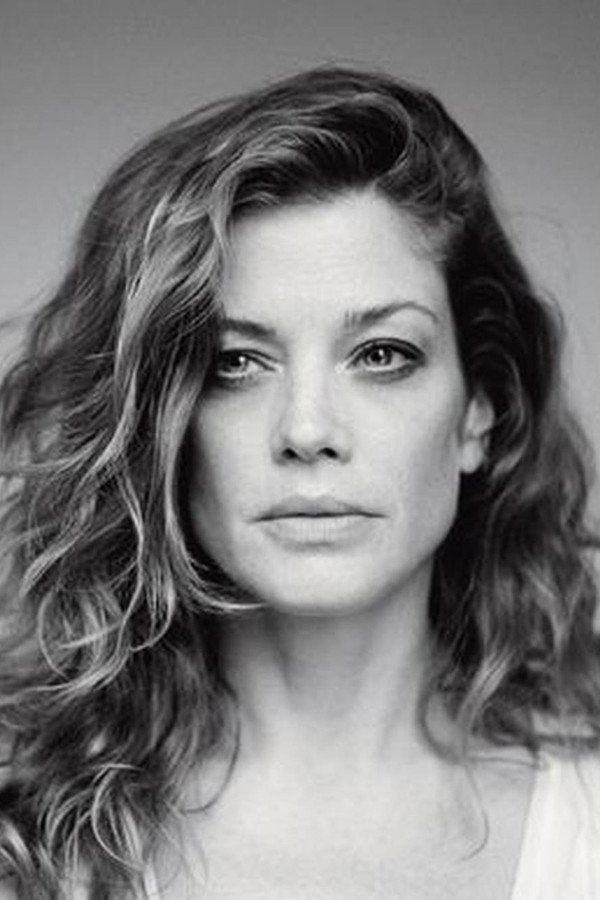


An Interview with Writer/Director/Producer Penelope Lawson
We chat with Penelope Lawson about her short film, The Dinner Party, her experience founding her own production company, and fun cinema.




Thomas and Hanna, a deliriously happy couple in their late 30s, buy an old house in the country with plans to fix it up over the summer. Hanna is looking forward to their time together – so when Thomas invites his older brother, Friedrich, who is deeply depressed over the failure of both his business and his marriage, to join them, she is disappointed by the intrusion. Easygoing, charming, and talkative, Thomas seeks to counterbalance the cloudier mood with an impetuous frenzy of activity, but Hanna retreats into sullenness and retaliates by bringing in her nubile young godchild Augustine until things smooth themselves out. Augustine’s youthful sexiness has anything but a soothing impact on Thomas, however, whose adolescent impulses linger just below the surface.
We chat with Penelope Lawson about her short film, The Dinner Party, her experience founding her own production company, and fun cinema.
What seems like such a simple story of survival is so much more than that—it’s a story of family, and of war, and of destruction. It’s painful to watch, but not in a bad way. It makes its audience reflect on their own actions, and in how they are complicit in the sufferings of others as the adults in this film are. Grave of the Fireflies does not hold back from being heartbreaking, and it shouldn’t. It tells a message that needs to be heard decades after the war, and a story that cannot be forgotten by history.
A complex, realistic, and loving mother-daughter relationship is at the heart of this story about Black pageants and the fight for a better future.
The Djinn is about childhood traumas and lifestyle changes. It tells the story of Dylan (Ezra Dewey), a mute boy who blames himself for his mom’s death. He also condemns himself for being speech-impaired, and he thinks that if he did not have that condition, everything could had been different.
The idea of Rosemary's baby but with lesbian partners drew me in, and I was anticipating what the film had in store with its reimagining. Unfortunately, it all felt a little too vague to leave an impact.
Given Hollywood's history of racism and financial motivations, how much progress can we expect? Plus: a list of excellent films by Black directors.