











The Love Triangles in 'Tall Girl'
In Tall Girl, Jodi learns to stand tall and find confidence within.




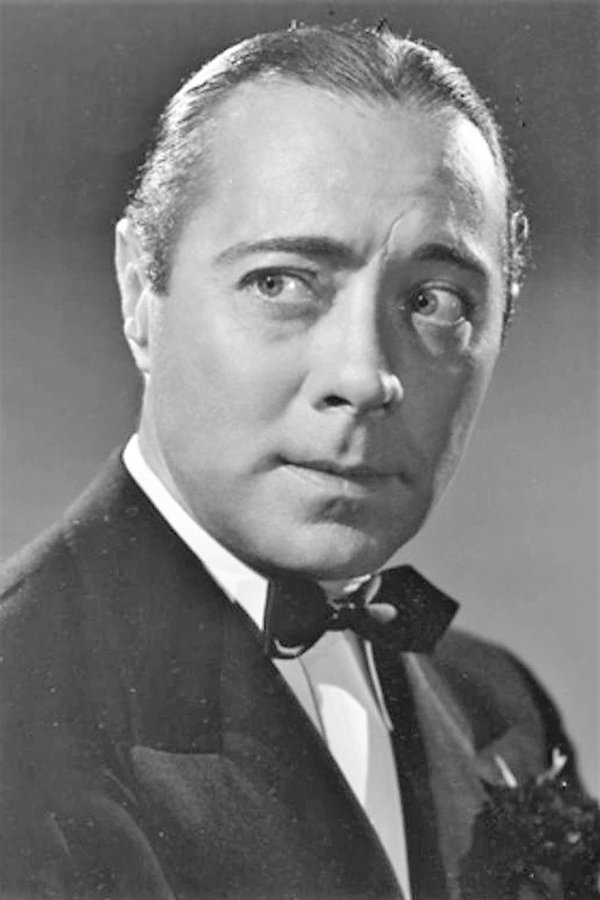
Nicky Nelson is a fast-talking sideshow barker with a wax-and-alive concession on Atlantic City's boardwalk. Even with the band of his friend, struggling musician Gene Krupa, playing on the sidewalk to attract the customers, "The Living Corpse" and other low-rent acts aren't enough to lure the seen-it-all boardwalk strollers, and the landlord closes the show in lieu of never-paid rent. Nicky, always promoting, goes to Stephen Hanratty, head of the pier's Dance Pavilion, to plug Krupa's band as an attraction, but Hanratty won't even listen to them. But, while there, he meets singer Lily Racquel, who knows he is a phoney but might have the ability to to talk a radio-station manager into giving her an audition. She gives him a ring to help finance the project; he promptly loses it in a crap-game.
In Tall Girl, Jodi learns to stand tall and find confidence within.
An incredible documentary showcasing the difficulties of living in a crumbling Rust Belt city.
Two movies that do a fantastic job in conveying the ongoing struggle for racial justice are Selma (2014) and Just Mercy (2019).
Mirrorball is full of passion and love for the medium of cinema and is indeed a fitting love letter to La La Land.
It’s been awhile since I’ve seen a film that is jarring within the first five minutes. Being at the edge of my seat from the very beginning made me feel both excited and frightened for what was to come, and it did not disappoint. Led strongly by Jennifer Lawrence as Grace, a woman trapped in the “American dream”, this film shows that society tells us what should make us happy. Many critics describe Die My Love as being about post-partem depression, but it is so much more. After moving to a secluded home with her husband Jackson, Grace finds herself in the throes of motherhood. Feeling isolated in her physical environment and her romantic relationship, Grace suffers psychologically. Lawrence brings a sense of rawness and humor to the screen that is often uncomfortable. Robert Pattinson adds to the discomfort as her loving, yet lost husband Jackson, who cares about his wife but does not know how to help her. Lynne Ramsay has presented a film that forces us to look at the realness of life, and what happens when the promise of what should make you whole fails.
Women have always been integral to science fiction, and these amazing women prove why.