
Writing Great Villains: Why They Shouldn't Be Sympathetic
Writing great villains is about striking a balance between charming and evil, so we love them but also love to see them lose.
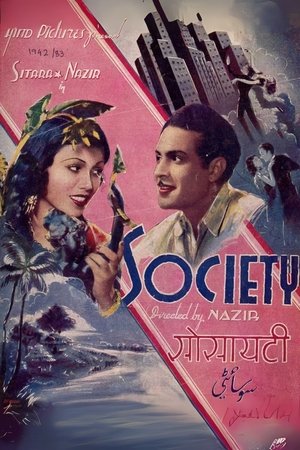


An early Indian film that explored social issues or class differences within its narrative, it highlight a commentary on contemporary societal norms, inequalities, or interactions.
Writing great villains is about striking a balance between charming and evil, so we love them but also love to see them lose.
The Roses is a wickedly sharp marital warfare comedy that transforms domestic dysfunction into high art. Olivia Colman and Benedict Cumberbatch deliver powerhouse performances as a couple whose fairy-tale romance implodes when his architectural career collapses just as her culinary empire takes off. What makes Jay Roach's remake so devastatingly effective is its refusal to pick sides—both spouses are equally sympathetic and monstrous, wielding Tony McNamara's razor-sharp dialogue like weapons forged from shared intimacies. It's a film that dares you to laugh at relationship wreckage while forcing you to confront the uncomfortable truth that the line between passionate love and mutual destruction is terrifyingly thin.
An enchanted school for young heroes and villains brings the battle between good and evil in this fantasy movie.
Mohit Suri’s Saiyaara (2025) is a soulful musical romance led by fresh faces Ahaan Panday and Aneet Padda. A heartfelt tale of love, grief, and emotional healing that’s taking the Indian box office by storm.
The most impressive aspect of this film is the honest and natural performances given by the on-screen duo.
Films can alleviate alienation by presenting realities where the viewers feelings are shared by onscreen characters. The film 'Shrek' can be interpreted as a transgender story.