‘Jungle Cruise’ Is Fun but Has Questionable Representation
'Jungle Cruise' is fun if you can ignore the racism of the ride it’s based on and the film’s bland, stereotypical characters.

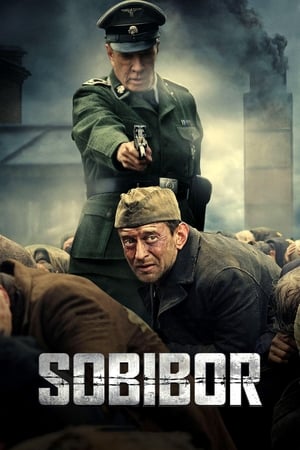


The film is based on a real story that happened in 1943 in the Sobibor concentration camp in German-occupied Poland. The main character of the movie is the Soviet-Jewish soldier Alexander Pechersky, who at that time was serving in the Red Army as a lieutenant. In October 1943, he was captured by the Nazis and deported to the Sobibor concentration camp, where Jews were being exterminated in gas chambers. But, in just 3 weeks, Alexander was able to plan an international uprising of prisoners from Poland and Western Europe. This uprising resulted in being the only successful one throughout the war, which led to the largest escape of prisoners from a Nazi concentration camp.

Konstantin Khabenskiy
Director

Konstantin Khabenskiy
Alexander Pechersky
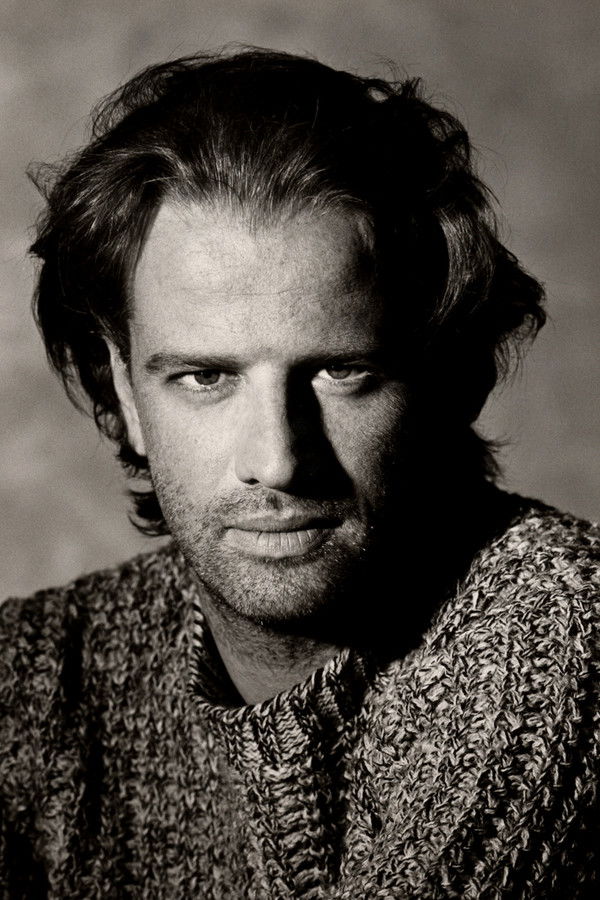
Christopher Lambert
Karl Frenzel

Michalina Olszańska
Hanna

Felice Jankell
Luca

Mariya Kozhevnikova
Selma

Dainius Kazlauskas
Leo

Philippe Reinhardt
Siegfried Greitschus

Maximilian Dirr
Johann Neumann

Mindaugas Papinigis
Berg

Wolfgang Cerny
Gustav Wagner

Ivan Zlobin
Shlomo
'Jungle Cruise' is fun if you can ignore the racism of the ride it’s based on and the film’s bland, stereotypical characters.
If you are a discerning movie watcher and/or an African-American with a modicum of Black consciousness, this film isn’t for you. It would be better to watch the documentary ‘They Fight’ to see the impactful, emotional story of Walter Manigan and the young men of DC’s Ward 8.
Facing the world with our fair share of uncertainties and/or apprehensions, many of which, sadly, may be well-founded, is nothing to sneeze at. Influenced and buffeted by the constant barrage of social media, fake news, and general upheaval present in our contemporary reality, what IS real and what's not becomes a blur.
A decade since it aired, Shameless (U.S.) has always stuck to its guns (and baseball bats) about character diversity.
"Up" features one of Pixar's few Asian-American heroes and explores the institutionalized hardships elderly people face. Also, Dug is a good boy.
Earth and Blood is slow, but it still has it’s entertaining moments. If you’re into thrillers, or want to watch something new, then this film might be for you. As for me, Earth and Blood was tolerable enough.