





Paw Patrol Jets to the Rescue in Barkingburg
In this high-flying mission, the pups gear up with jets to stop the Duke of Flappington and save Barkingburg.
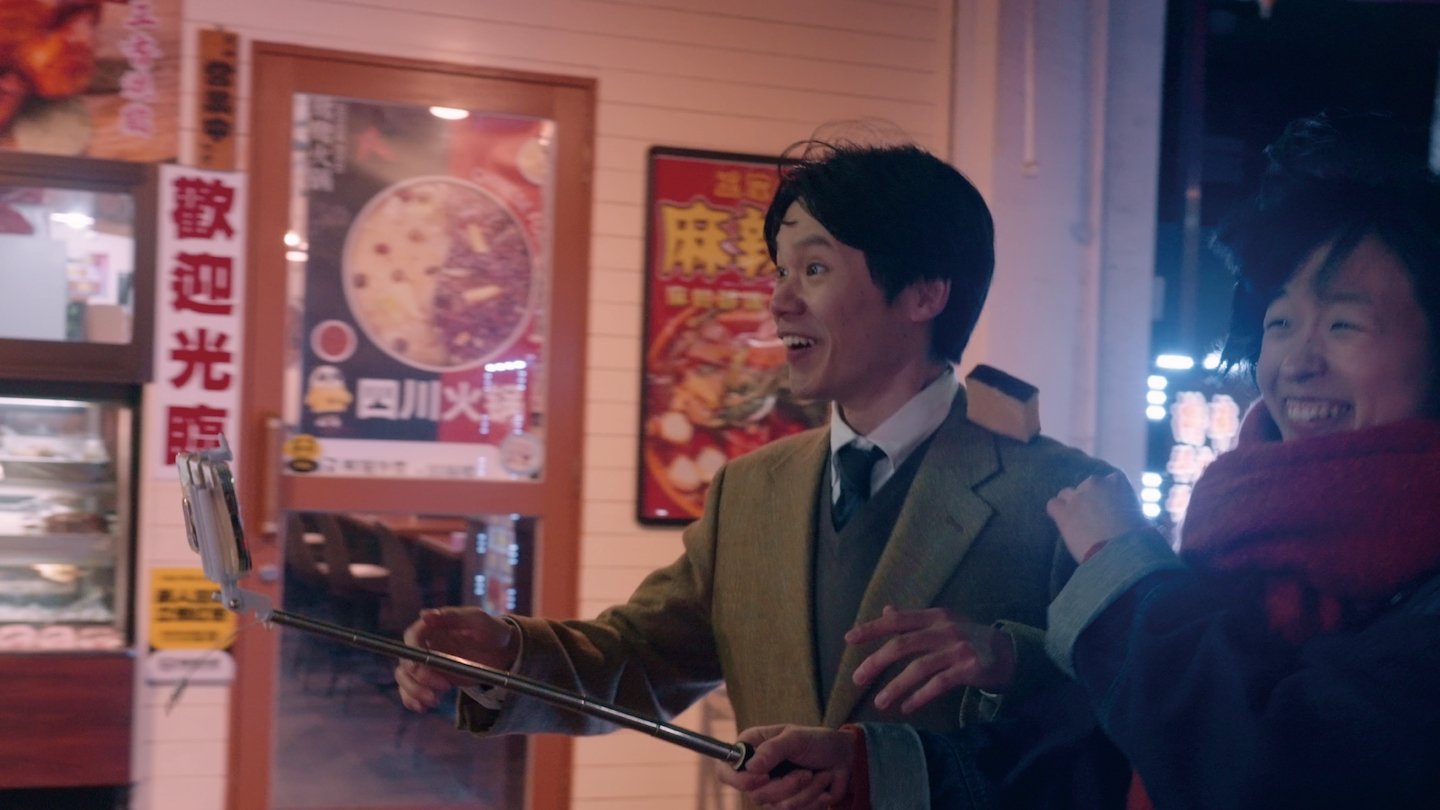
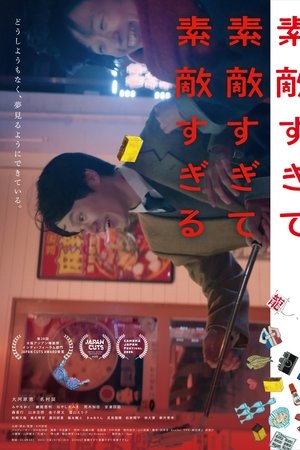


School cleaner Nozomi Haruta was happy. She was supposed to marry her partner, her beloved, her soulmate, the handsome teacher Chitose Yokomizo, but when he secretly marries someone else, he ruins her dreams and breaks her heart. Also, maybe her mind? Seized by desperation, Nozomi photobombs his big wedding photograph by replacing the bride, steals the camera, and makes a run for it! Headlong into the path of a courier carrying Castella cakes! When she wakes up, she sees Chitose hovering over her, only it’s not him, but a being who calls himself Castella (as in the cake). For the next two weeks (the expiration date for the cakes), he will be Nozomi’s cake-based companion and help her get over her despair.
In this high-flying mission, the pups gear up with jets to stop the Duke of Flappington and save Barkingburg.
Amanda Riley gets the opportunity to travel to Vietnam for the experience of a lifetime.
'Blue Beetle' is another solid addition to the superhero film canon.
The Franke kids seemingly lived a normal life, until their mom met the infamous Jodi Hilderbrandt.
Growing up without a dad, I got a lot of my fatherly advice from the prototypes I saw on the silver screen. It’s these characters and films that gave me a glimpse into a dynamic I had never known but also made me realize that I was missing out. Here are my top 10 paternal films.
Holiday hijinks ensue when a recently separated couple are both accidently invited to same holiday celebration.