




The Drama Continues in 'Tall Girl 2'
The story continues in 'Tall Girl 2' as Jodi finds herself playing the lead role in the school's musical production.
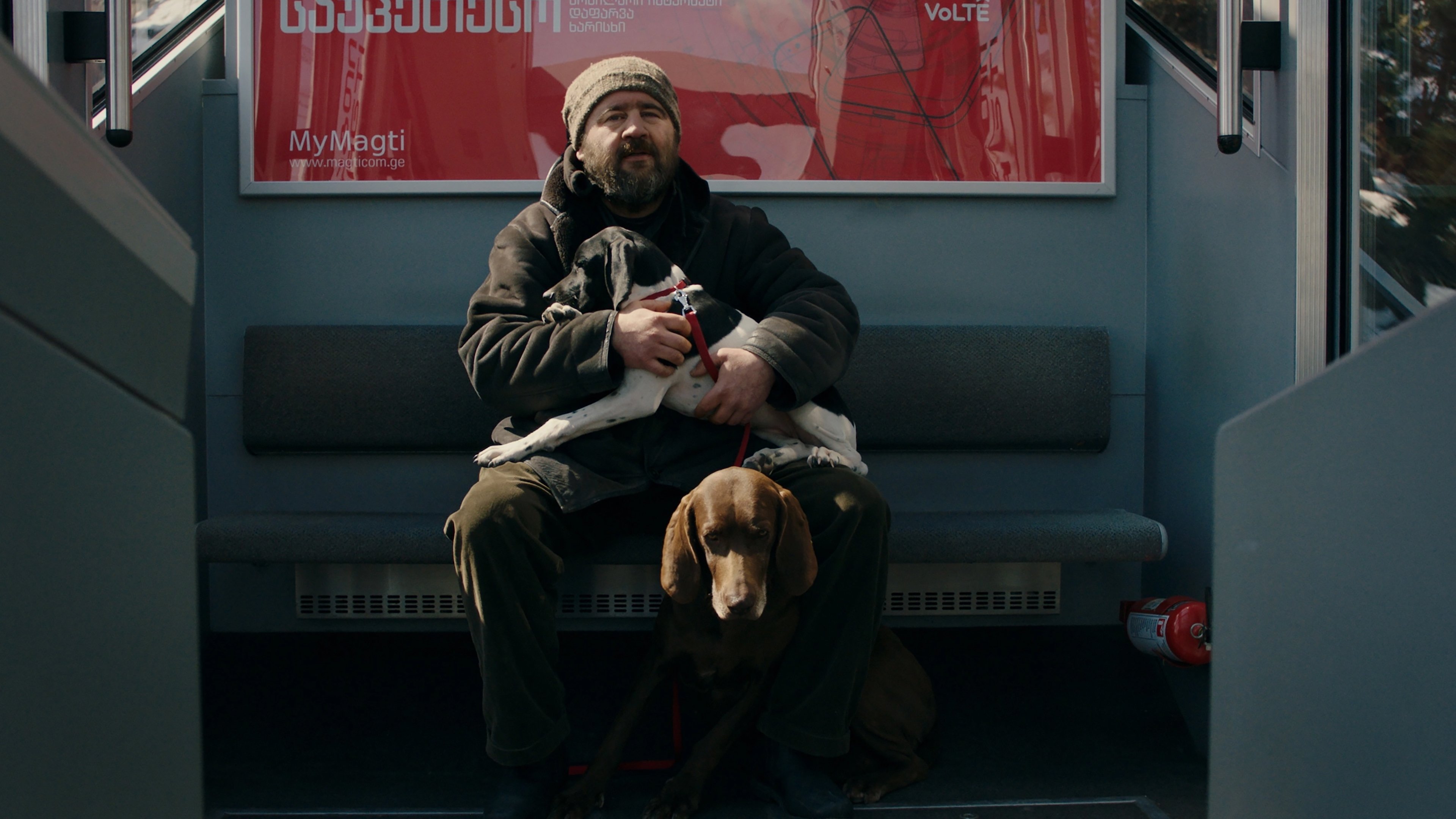



Givi lives in Moscow, and Levan in Tbilisi. The friends had not seen each other for thirty years and found each other on a social network. It would seem that they have nothing in common. Givi is a film director and has family problems. Levan is lonely and lives like a homeless person. Givi is going through changes in his life, while Levan has not changed anything for a long time. But they have something in common – childhood memories. Thanks to communication on a social network, they begin to help each other. Levan opens up to Givi from a new, unexpected side, and Givi gets the opportunity to return to his childhood, to his hometown.
The story continues in 'Tall Girl 2' as Jodi finds herself playing the lead role in the school's musical production.
Battles will come and go and queer people do die for their identity and fights for rights, but that doesn’t mean the gays don’t deserve their happy endings in stories.
What makes the lighting in Casablanca even more impressive is how it reflects the emotional states of the characters without needing explicit dialogue.
'Call Me Kate' is for the fans. It's an intimate account of an iconic film star.
With so many Disney remakes out and about in the world and loosed upon Hollywood cinema, there is one Disney film that truly needs to be seen and witnessed on the big screen: Princess and the Frog.
Neon Gravity is an assassin who realizes that her target, as well as her current reality, are not what they seem. This short film is a futuristic story that takes place in Downtown Miami.