







Living People in "It Was Just an Accident"
It doesn’t offer an absolute answer for the dialectical ethical questions that emerged in search of justice but portrays the characters as living people beyond the identities of victims.
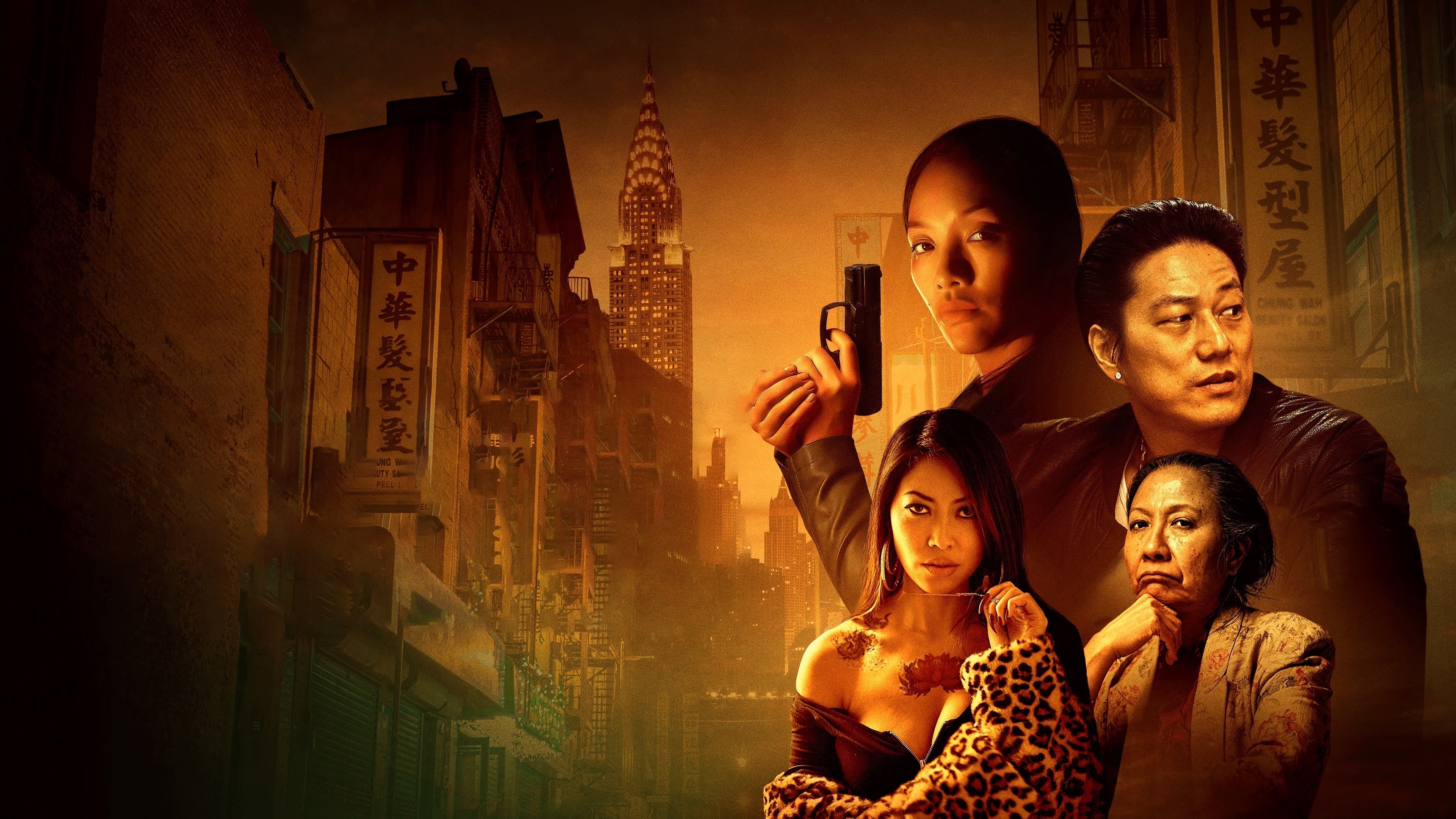



Sister Tse is brought to New York by a Snakehead, a human smuggler. Although she is indebted to the crime family responsible for her transport, her survival instincts help her gain favor with the matriarch, and she rises quickly in the ranks. Soon Tse must reconcile her success with her real reason for coming to America—to find the child that was taken from her. In the end, Sister Tse must draw on the strength she found in transforming her victimhood into power.
It doesn’t offer an absolute answer for the dialectical ethical questions that emerged in search of justice but portrays the characters as living people beyond the identities of victims.
This is not a story of oppression but a story of liberation.
For the most part, 'Sweet Girl' recycles tired hyper masculine revenge tropes, but a surprise twist in the end turns it into a female-centric revenge film.
“The most disrespected person in America is the Black Woman/the most unprotected person in America is the Black Woman,” Director Spivey Jr quotes. The quotes are absolutely true. Misogynoir is a devastating social ill that is not given the weight it is due.
I can say without question, that this is the first movie I’ve ever seen where art imitates life so much that I could 100% identify with it on a personal level. The predominately Black cast of characters are people with hopes, dreams, fears, and ambitions.
The Franke kids seemingly lived a normal life, until their mom met the infamous Jodi Hilderbrandt.