



Polarizing Polar: An Exploitation Film For the Modern Viewer
In the shadow of towering film production companies lived dozens of grindhouses, genres, and low-budget films deemed too “unclean” for the modern film audience.
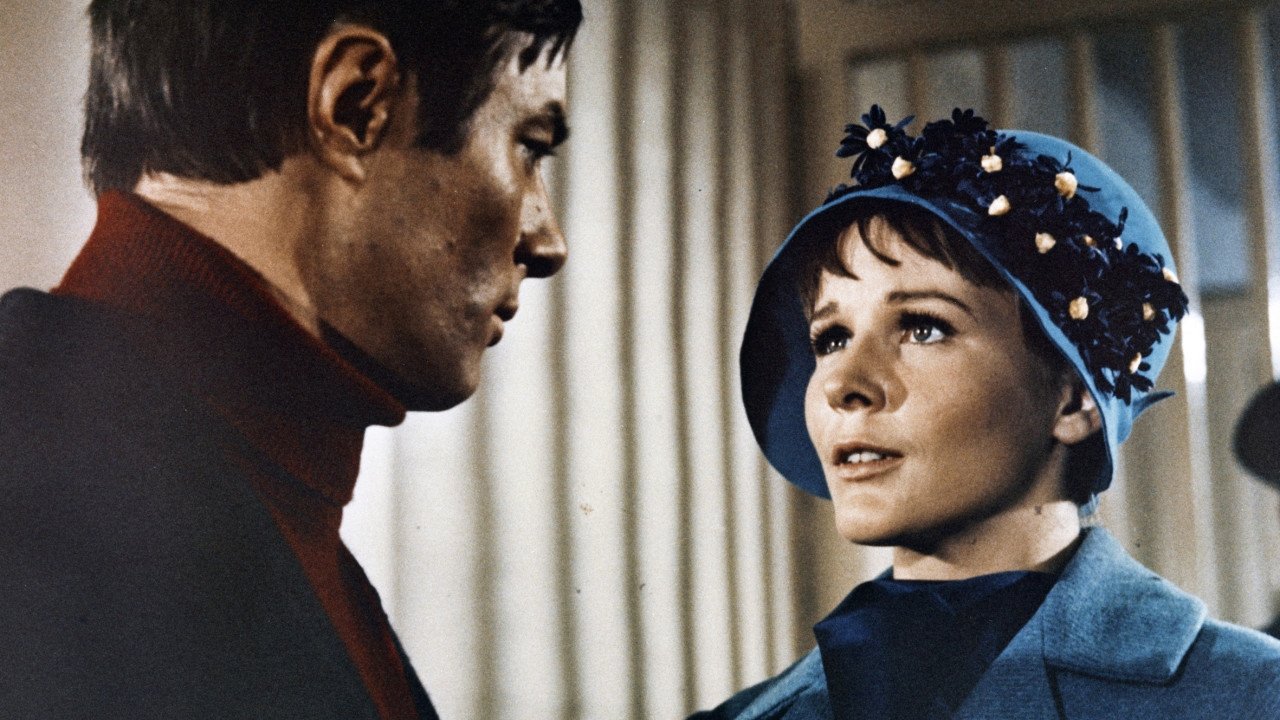



For many, the happy twenties were not very happy, with high unemployment, poverty and a bitter disillusioned youth. But at the same time there was prohibition in Norway, with large-scale smuggling and easy-earned money. Ernst, an unemployed architect, stumbles onto the smuggler path, and replaces a gray, boring life with a lush, rowdy and colorful world. Klara, the girl he loves, walks away from him, and Jenny becomes his new girlfriend. Together with Hugo and Elsa, these four make a number of smuggling trips by car - with big profits - but it's not enough. So Ernst invests in boats, and that's when the really messy smuggling starts. He operates in the entire Oslo Fjord, all the way down to Rotterdam, pursued by police and customs, with his infamous torpedo boats. We follow Ernst all the way to the so-called Bygdøyslaget, where smugglers and police brutaly clash together.
In the shadow of towering film production companies lived dozens of grindhouses, genres, and low-budget films deemed too “unclean” for the modern film audience.
The tragedy of Macbeth got Oscar nominations for Best Actor, Production design & cinematography. The Tragedy of Macbeth - Oscar film offers an etheric and atmospheric take on the reins cast on one of Shakespeare's most iconic poems.
The Owl House has swiftly become one of Disney’s beloved cartoon series.
The sparks of a dangerous conspiracy ignite a mystery in this sequel based on the mysteries of Sherlock Holmes.