



A Tragic Antihero: Judy
Renee Zellweger shines in this Judy Garland biopic, which highlights the pain and loneliness that so many famous women endure.
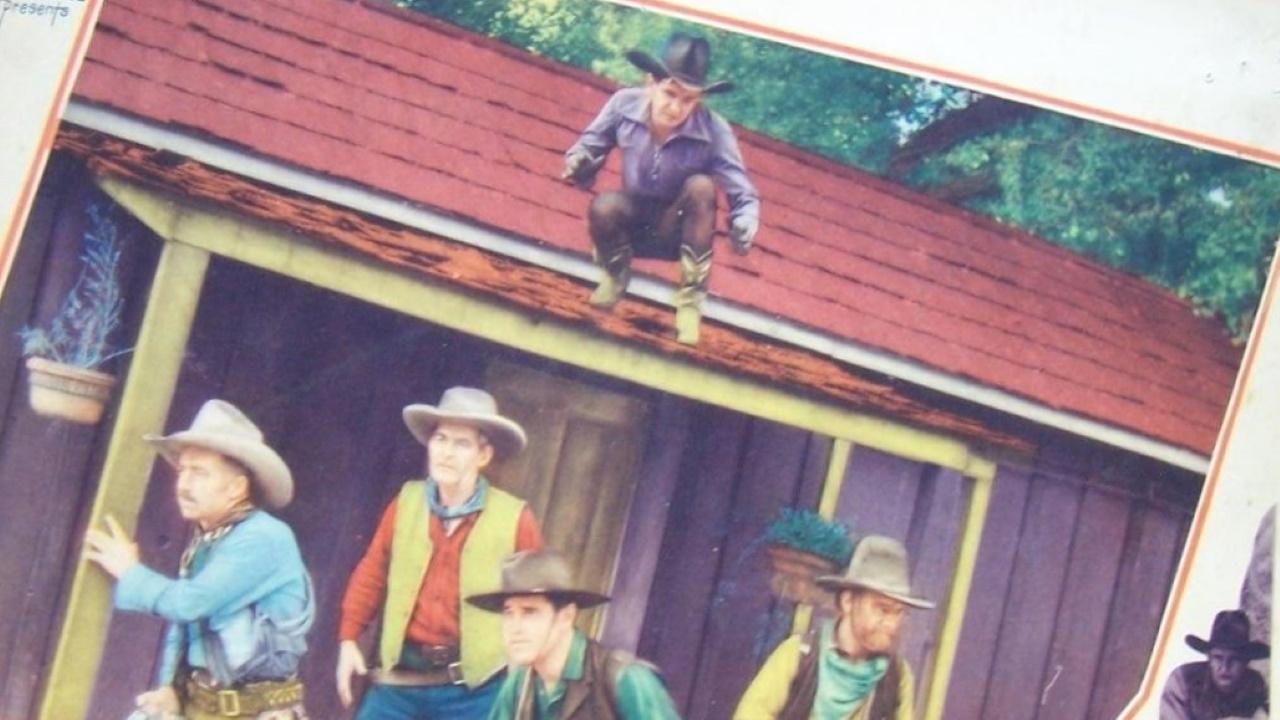
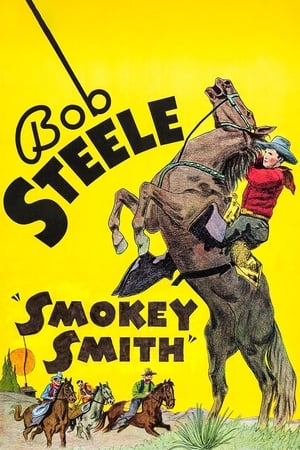


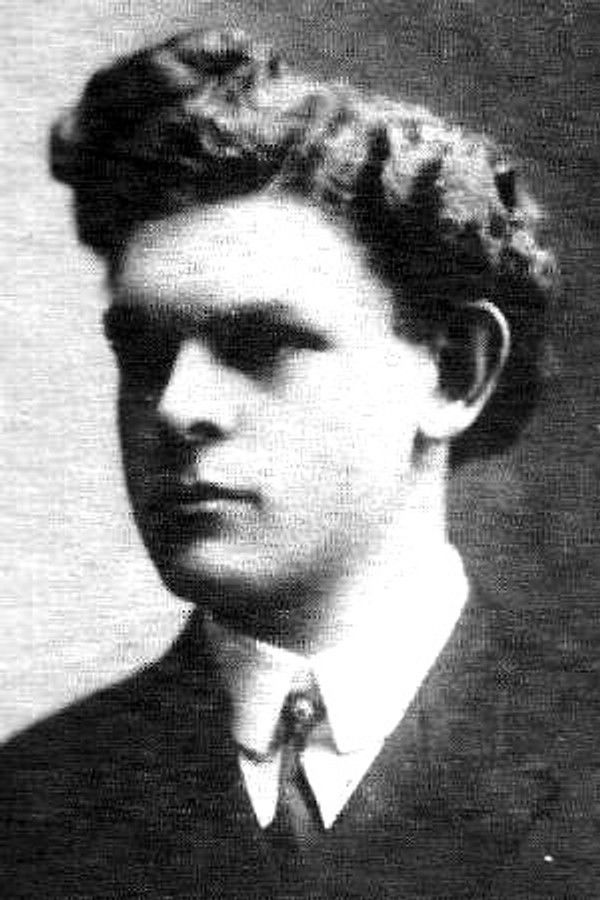
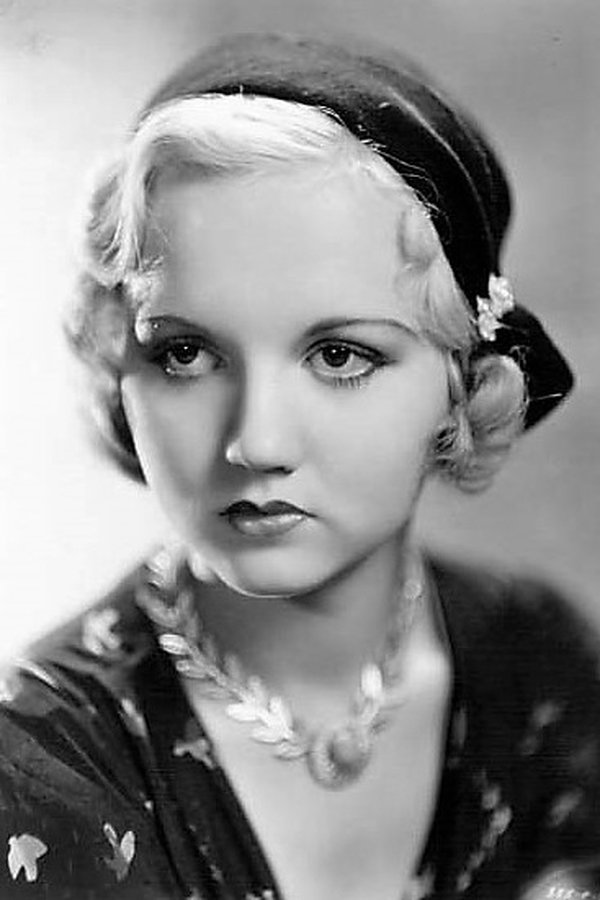
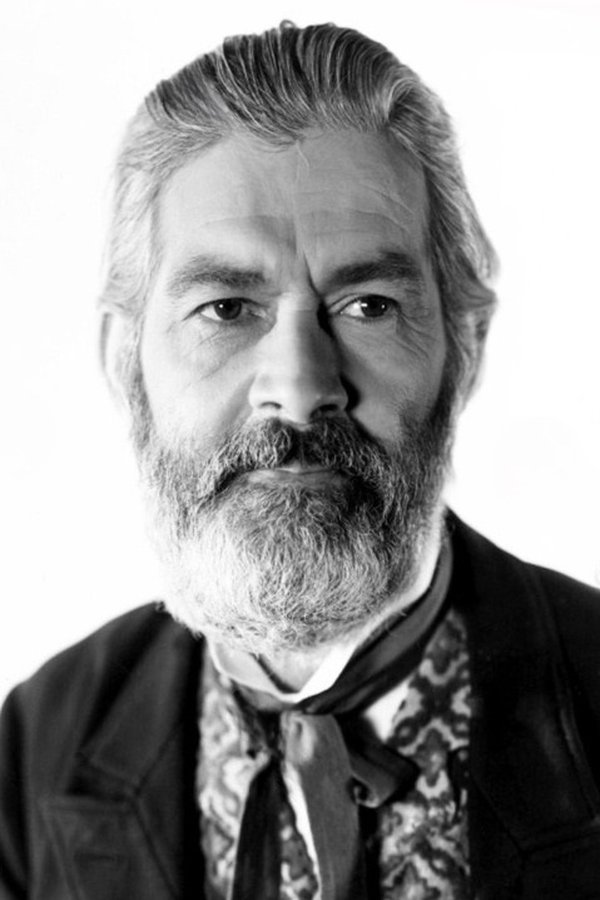
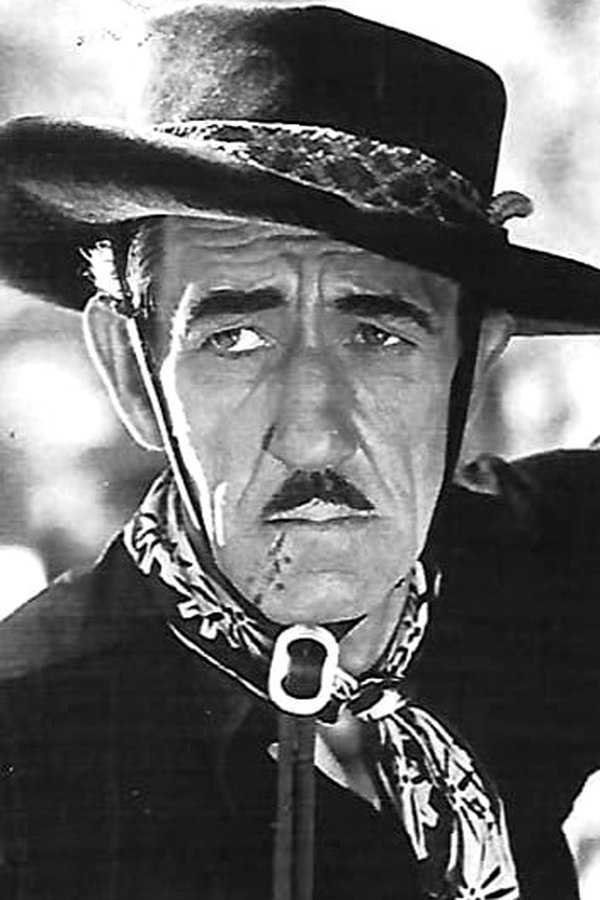
The parents (Horace B. Carpenter)(Vane Calvert) of Smokey Smith (Bob Steele) are murdered while traveling with a wagon train that is attacked by outlaws. Smokey swears revenge but his only possible chance lies in finding the member of the border-gang who took a ring from his father's finger. The sheriff (Earl Dwire) of a nearby border town makes Smokey a deputy after the latter saves his life when outlaws attack a stagecoach the sheriff is escorting. This enables Smokey to find the hideout of the gang that killed his parents, and he, posing as a wanted man, is able to join the gang. He soon incurs the wrath of gang-member Kent(Warner Richmond), who is jealous over the attention that Bess Bart (Mary Kornman, step-daughter of the gang-leader, "Blaze" Bart (George 'Gabby' Hayes), is showing Smokey.
Renee Zellweger shines in this Judy Garland biopic, which highlights the pain and loneliness that so many famous women endure.
Battles will come and go and queer people do die for their identity and fights for rights, but that doesn’t mean the gays don’t deserve their happy endings in stories.
This Disney Channel Original Movie shows how two different groups can coexist.
Looking for some Afro-centric entertainment? Check out these movies and immerse yourself in Black culture.
The latest installment in the beloved media franchise is a unique stylized mesh of humor and heart.
“Nobody 2” is the kind of sequel you expect to roll your eyes at—and then end up grinning through the whole thing. Bob Odenkirk proves once again that an ordinary-looking guy can be the most entertaining action hero alive, battling cartels with harpoons, deep fryers, and pure chaos. Toss in Sharon Stone as a delightfully over-the-top villain, and you’ve got 89 minutes of wild, joyful mayhem that reminds you why going to the movies is just plain fun.