

A Personal Experience of Representation - The Intersection of Armenian Culture & Epilepsy
I am an Armenian who has a mild form of epilepsy. I rarely see Armenian culture and epilepsy properly portrayed in film or TV. I delve into the how and why.
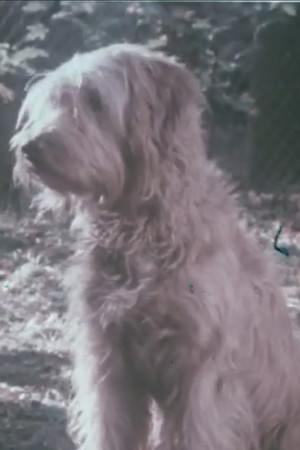


A heartwarming story about a boy named Jesse who discovers a friendly dog without a collar and names her Smiley. As Jesse and his family take care of Smiley, they hope to find her owner, but she becomes a beloved part of their lives. After a week of bonding, Smiley runs away, leaving Jesse heartbroken. However, she is eventually found and returned to her original owner, bringing a bittersweet conclusion to Jesse's experience with the dog he grew to love.
I am an Armenian who has a mild form of epilepsy. I rarely see Armenian culture and epilepsy properly portrayed in film or TV. I delve into the how and why.
How closely does an actor need to resemble a character or historical figure in order to portray them on the Silver Screen? Seems to depend on color.
"Warrior" is a Bruce Lee written and inspired story that follows a diverse cast of Chinese American characters and does a terrific job of setting the story in 1878 San Francisco - all without pulling their punches with the systemic racism, discrimination, and struggle for power that old and young immigrants that crossed the country at that time had to go through.
Hanna Bergholm's 'Hatching' shows us that the modern version of the cardboard world trope is social media.
Although Christmas is a time of year for love and cheer for all, holiday cinema has not always represented diverse communities. Being a holiday with Christian origins, much of its media consists of straight white families or straight white romances. Luckily, modern years have been bringing with them plenty of POC and LGBTQ+ representation that the holidays so desperately need.
Films can alleviate alienation by presenting realities where the viewers feelings are shared by onscreen characters. The film 'Shrek' can be interpreted as a transgender story.