



Gus Van Sant's Constant Thematic and Cinematic Elements
The differences in these films could not be more blatant, and yet Gus Van Sant has found a way to portray the same messages and use the same techniques in each.
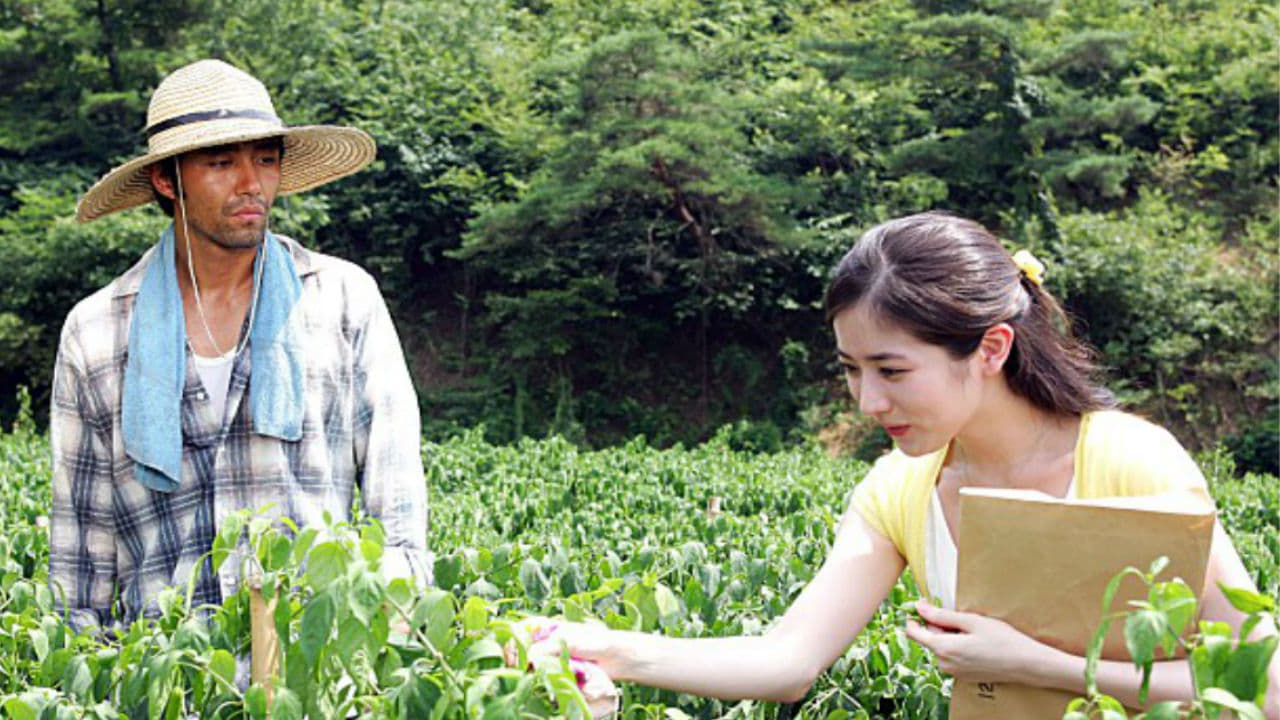



Cho Chun-sam and Noh Dae-gyu, now both in their thirties, are old friends who went to the same elementary school. In their school days, Chun-sam was always the ambitious class president, while Dae-gyu had to settle for a role as vice president. Twenty years later their roles are reversed: Chun-sam is now a humble farmer who has assumed the post of village chief in his hometown, while Dae-gyu is the newly elected county magistrate. At first, Chun-sam asks his old friend for favours regarding the development of his village, but these requests are turned down. Later, when Dae-gyu proposes building a nuclear waste disposal facility in the county, Chun-sam leads demonstrations against the plan, turning old friends into bitter rivals.
The differences in these films could not be more blatant, and yet Gus Van Sant has found a way to portray the same messages and use the same techniques in each.
Desi’s “straight man” to Lucy’s playful exuberance subverted people’s expectations of what a Latino man could be and added respect and nuance to the way onscreen marriages between men and women were portrayed.
An artistic approach to the impact of Billie Holiday’s “Strange Fruit”.
In this high-flying mission, the pups gear up with jets to stop the Duke of Flappington and save Barkingburg.
The Invite is witty, dramatic, funny, and probably the best comedy released this year so far.
Sam Levinson's latest film can't keep up with the excellence of its performances.