






'PAW Patrol: The Mighty Movie' (2023)
This theatrical sequel based on the PAW Patrol series features voice actors of color in this action-packed adventure.
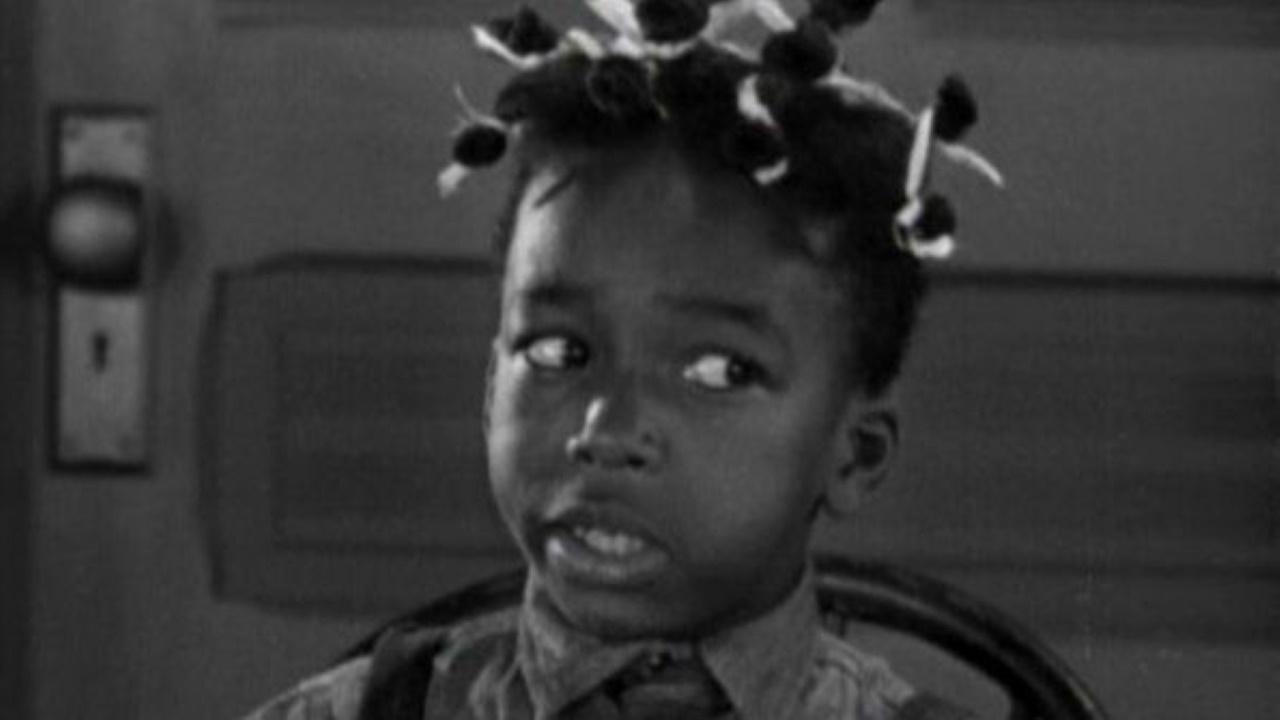



The gang are all orphans, hoping to be adopted by nice families where "spinach is not on the menu". Wheezer, the youngest child, gets adopted by a wealthy couple, while his older sister Mary Ann does not. The gang all comes to visit Wheezer in his new home, setting off an alarm that causes the police and the fire department to come over. At that time, Wheezer's new mother and father decide to adopt Mary Ann as well. The couple's friends all each adopt a child as well; even Farina is adopted by the maid at Wheezer's new home.
This theatrical sequel based on the PAW Patrol series features voice actors of color in this action-packed adventure.
Movie explained - Despite the glaring flaws present, Young Adult Matters is held together by the performances from Yoo Mi and Hani, who keep the story afloat. Though an interesting story, Young Adult Matters is worth watching solely for these performances. Among its brilliant performances is a messy, self-indulgent, and at times overwhelmingly brutal story with more potential than follow through.
Disney has a glaring and, up until recently, unaddressed issue that spans nearly its entire lifetime - an absence of diversity.
Sorry to Bother You ultimately speaks to the unfair advantages that the country’s power structures award to those with the resources to control others, as Lift’s easy access to the media allows his opinion to be the only one that matters in the eyes of the unsuspecting and easily impressed public. Moreover, it reveals the extent to which the American Dream has any true validity. It postulates how the promise of success and fulfillment as promoted by the American Dream more often than not leads to the undoing of the individual. Interestingly, in its revealing of the American Dream as merely a facade, Sorry to Bother You wisely questions whether or not anything can really be done to undo a system that has been accepted and in action for centuries.
When Juana tries real sushi for the first time, she is immediatley smitten by it and discovers a passion she never knew she had.
A teen comedy that nobody wants to see.