



'Mulan' and 'Whale Rider': Director Niki Caro's take on Gender Inequality
Indie director, Niki Caro (known for 'Whale Rider') directs the live-action 'Mulan' and sets another example of strong females fighting against gender inequality.
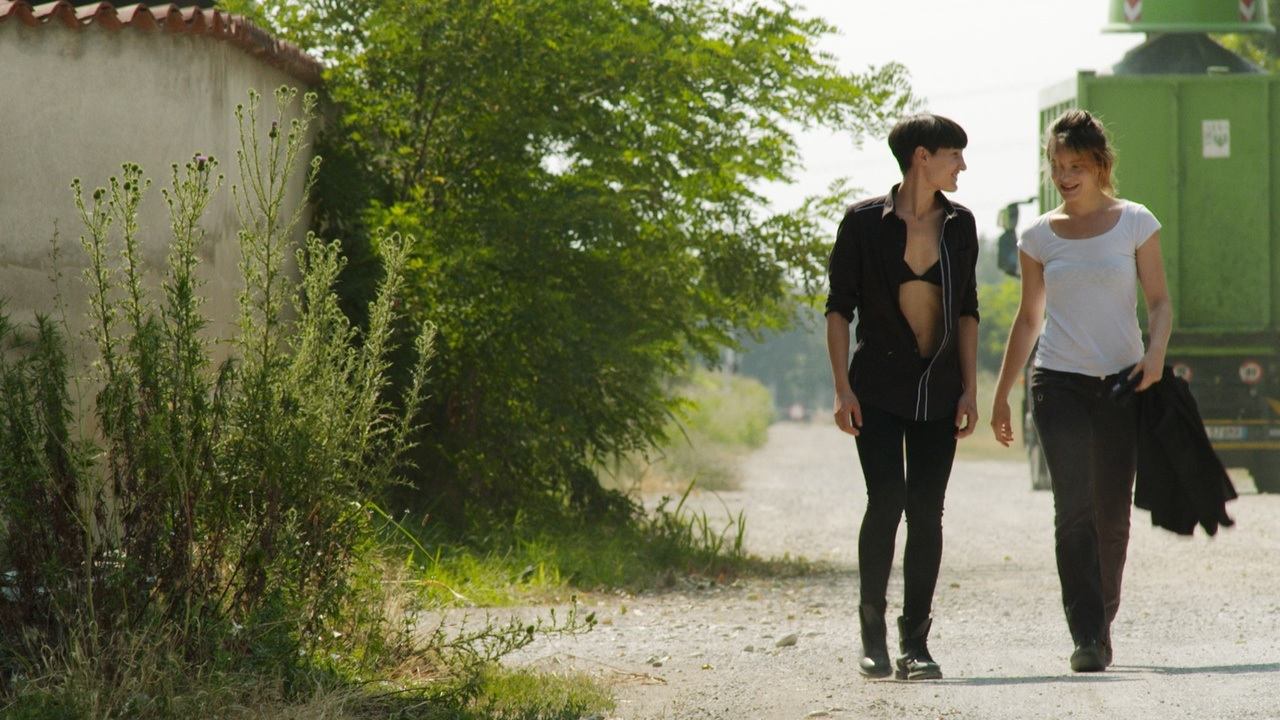
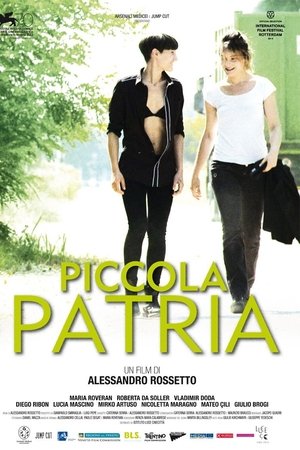


Two young girls, a hot, stifling summer, the desire to run away from a small provincial town. Luisa is full of life, uninhibited, unconventional. Renata is dark, angry and in need of love. The lives of two young women is a tale of blackmail, of a love betrayed, of violence: Luisa uses her Albanian boyfriend, Bilal; Renata uses Luisa’s body to orchestrate her revenge. Both want to leave the small community where they have grown up among village festivals and independence gatherings, helpless families and new generations of migrants targeted by those who feel increasingly threatened. Luisa, Renata and Bilal will risk loosing themselves, loosing a precious part of themselves, of those they love, ultimately loosing their own lives.
Indie director, Niki Caro (known for 'Whale Rider') directs the live-action 'Mulan' and sets another example of strong females fighting against gender inequality.
Where we leave the characters is in such a peaceful and optimistic place. It feels well-earned to ensure everyone gets their own specially-crafted happy ending.
This horror movie combines elements of horror and babysitting with Black representation.
Mona Fastvold’s nineteenth century lesbian romance is emotionally charged, restrained, and poetic without feeling forced.
The venn diagram of pop feminism and white-centered feminism is a circle. Acknowledging that is not a crime nor a diminishing of 'Barbie', Director Gerwig, or feminism in general.