
The Wedding Banquet (2025): A Window into Modern Day Queer Relationships
In this remake of the 1993 film of the same name, The Wedding Banquet follows the life of two queer couples as they struggle with life-changing decisions.
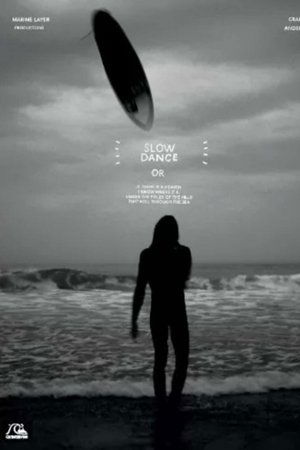


Surfer Dane Reynolds takes a sharp look into the timeless style of Craig Anderson. A modern approach with hints to the past, Slow Dance follows Craig in and out of the water as he travels the world meeting up with heroes and friends in Australia, Chile, India, West Africa and Tahiti to name a few. Dane attempts to unravel Craig's perspective on his role as a professional surfer and Craig provides vague glimpses into his psyche. However, what does become clear is that Craig's approach to surfing and his outlook on life is truly unique.
In this remake of the 1993 film of the same name, The Wedding Banquet follows the life of two queer couples as they struggle with life-changing decisions.
Slip on your favorite dungarees and spend the day on the east coast of New Zealand before the 90s.
The July episode of Incluvie Movie Highlights provides 4 exciting films that have polarizing reviews! Special guest and Incluvie movie critic Daleyna joins in to discuss Mr Malcolm's List, a regency-era film set in England, starring leads of Indian and African heritage (Freida Pinto and Sope Dirisu), which is a first! Don't Make Me Go, starring an Asian and Blasian lead (John Cho and Mia Isaac), is a sincere film with a controversial ending! Don't worry, no spoilers. 1Up, about a team of female gamers led by Paris Berelc, who's half Asian, receives acclaim on Incluvie, but much hate everywhere else on the internet. And the feature film... is Nope ! One cohost thinks the film was imaginative, while the other cohost insists it was boring (but with good social commentary)! Who thought what? Tune in with your hosts: Cathy Yee and Hazel Bolivar!
'Hawkeye' episode five features Clint facing his sins, Kate having dinner with an assassin, and the reveal of the long-awaited [SPOILER].
The differences in these films could not be more blatant, and yet Gus Van Sant has found a way to portray the same messages and use the same techniques in each.
Dead Poets Society relies on patriarchal tropes such as overbearing fathers, contrived brotherhood, and faux-individuality in order to portray its straight white male characters as oppressed.