Why Angelina Jolie's "Hardbody" in 'Lara Croft: Tomb Raider' Appeals to the Woman Spectator
While the camera is objectifying her body to invoke a sexual response in male viewers, Lara Croft still defies the expectations of women in action films.
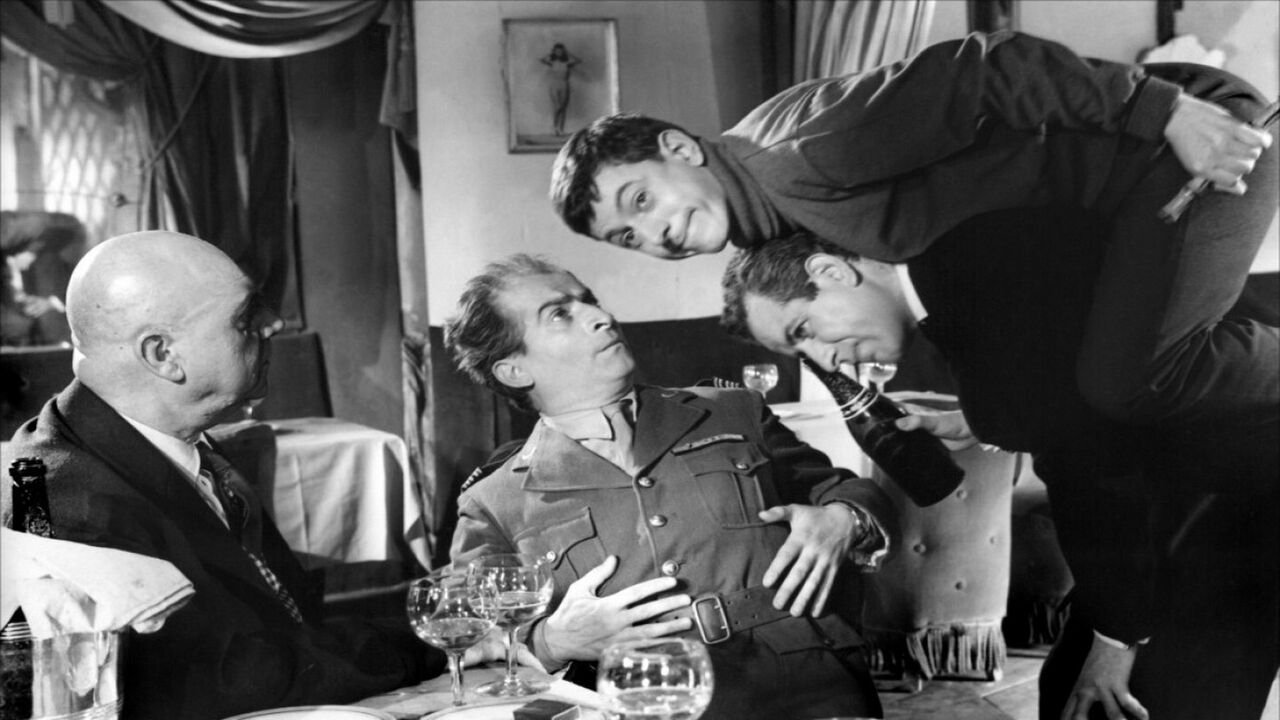
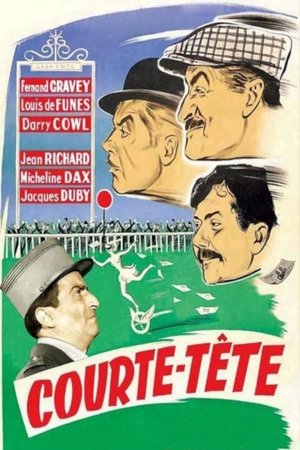


A brilliant swindler, Olivier Parker, hires a small-time pipe salesman, Amédée, to swindle a naive provincial, Ferdinand Galiveau, a chicken merchant. Renamed Teddy Morton and now a jockey, Amédée must ride a mare on which Ferdinand, advised by Parker, must bet. Absolutely convinced of his mystification, Parker bets on an oddball who, of course, loses, while at the last minute Galiveau, having bet on an outsider, wins a fortune. All Parker has to do is find another sucker.

Norbert Carbonnaux
Director

Louis de Funès
Le père Graziani, faux religieux ; Prosper le faux garçon d'écurie ; le faux colonel Luc de La Frapinière

Fernand Gravey
Olivier Parker, le faux entraîneur hippique, escroc
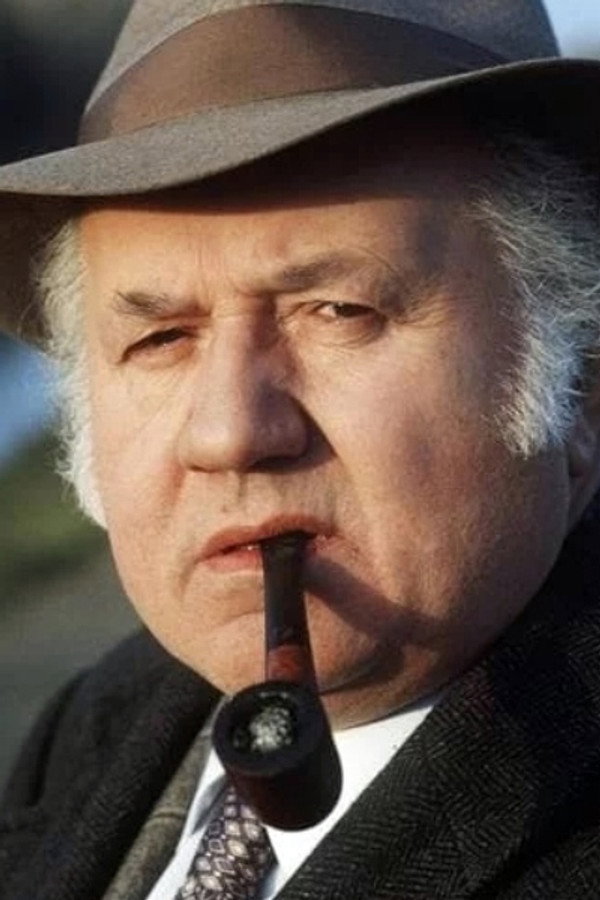
Jean Richard
Ferdinand Galiveau, marchand de volailles et turfiste

Jacques Duby
Amédée Lucas / Teddy Morton

Darry Cowl
Le réceptionniste de l'hôtel Lutécia
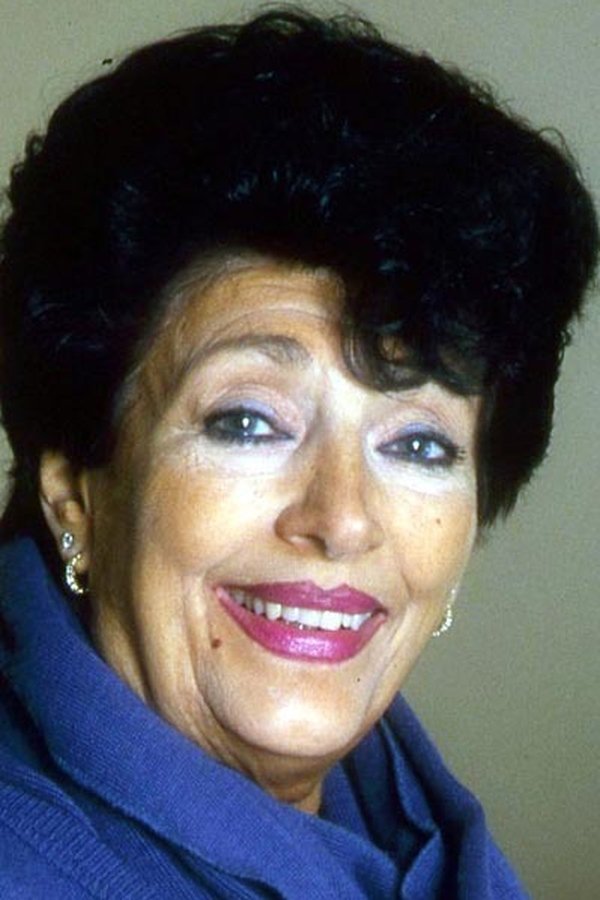
Micheline Dax
Lola d'Héricourt, une aventurière
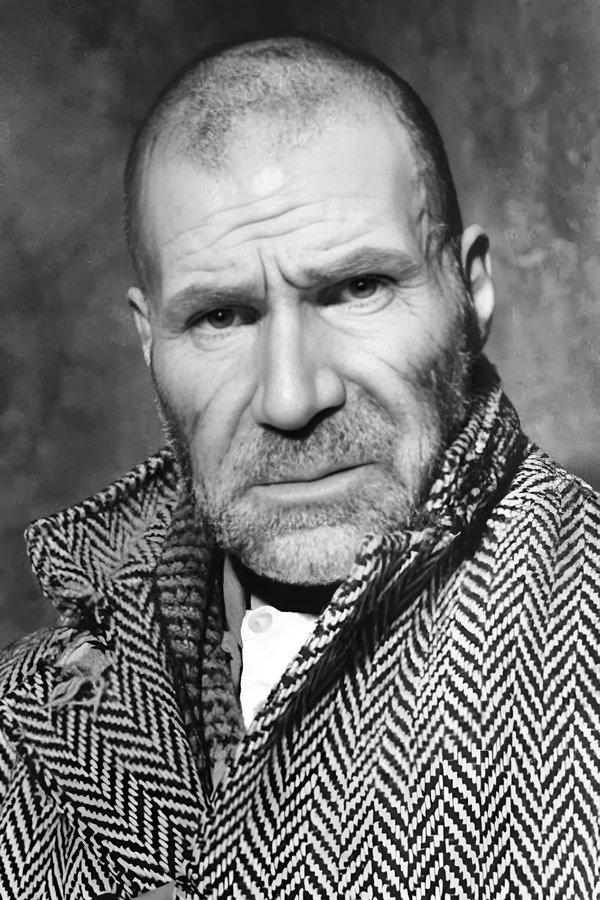
Jacques Dufilho
Le garçon d'écurie

Max Révol
Le général des Empois

Robert Murzeau
Le tailleur, également turfiste
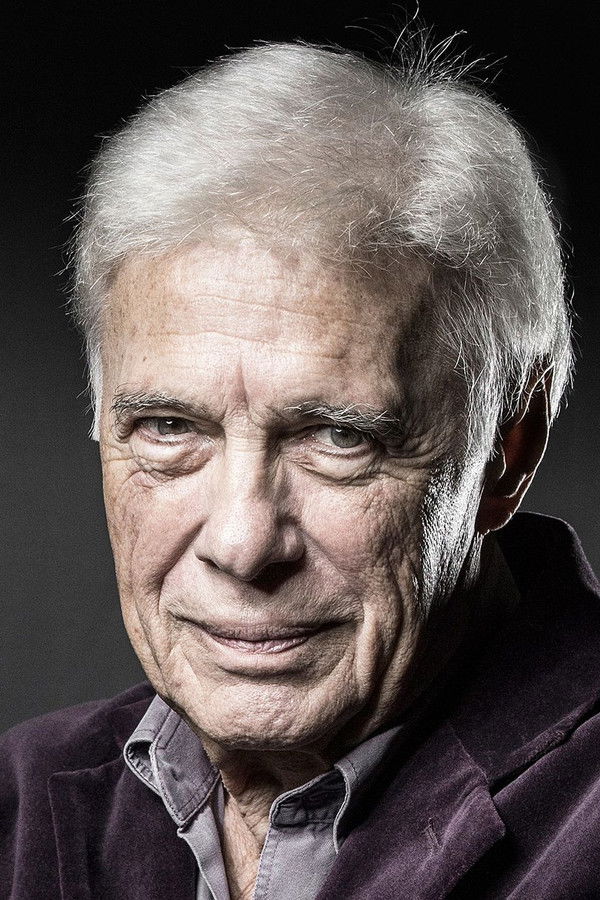
Guy Bedos
Fred Campuche, le jockey

Max Dalban
Le gros homme du hammam
While the camera is objectifying her body to invoke a sexual response in male viewers, Lara Croft still defies the expectations of women in action films.
This is ambitious horror filmmaking, and in a lot of ways, I fully admire its ambitions. For me, the film’s sloppiness defines its overall quality.
In 'Little Boxes," an interracial family moves to an all-white town where they face the judgement of others who have never been exposed to people of color before.
Netflix’s new rom-com, Voicemails for Isabelle (dir. Leah McKendrick), isn’t just heartwarming, funny, and an achievement in female directing - it’s also an instant classic. Following 20-something aspiring baker Jill (Zoey Deutch), Voicemails for Isabelle tells a story of grief, self-discovery, and fateful connections. Ever since her beloved sister Izzy’s (Ciara Bravo) death, Jill has been leaving her hilarious, extremely TMI voicemails about her chaotic love life and miserable day job as a prep cook. Little does she know that a handsome and unsatisfied real estate agent in her hometown has inherited the number and practically fallen in love with her by listening to her stories.
From being unfairly outed, to going after the life you want for yourself, these songs from 'Frozen' perfectly capture the journey out of the closet.
It’s 2021 and what few LGBTQ+ films that are produced by major film studios continue to star cisgender heterosexual actors, rather than actual LGBTQ+ people.