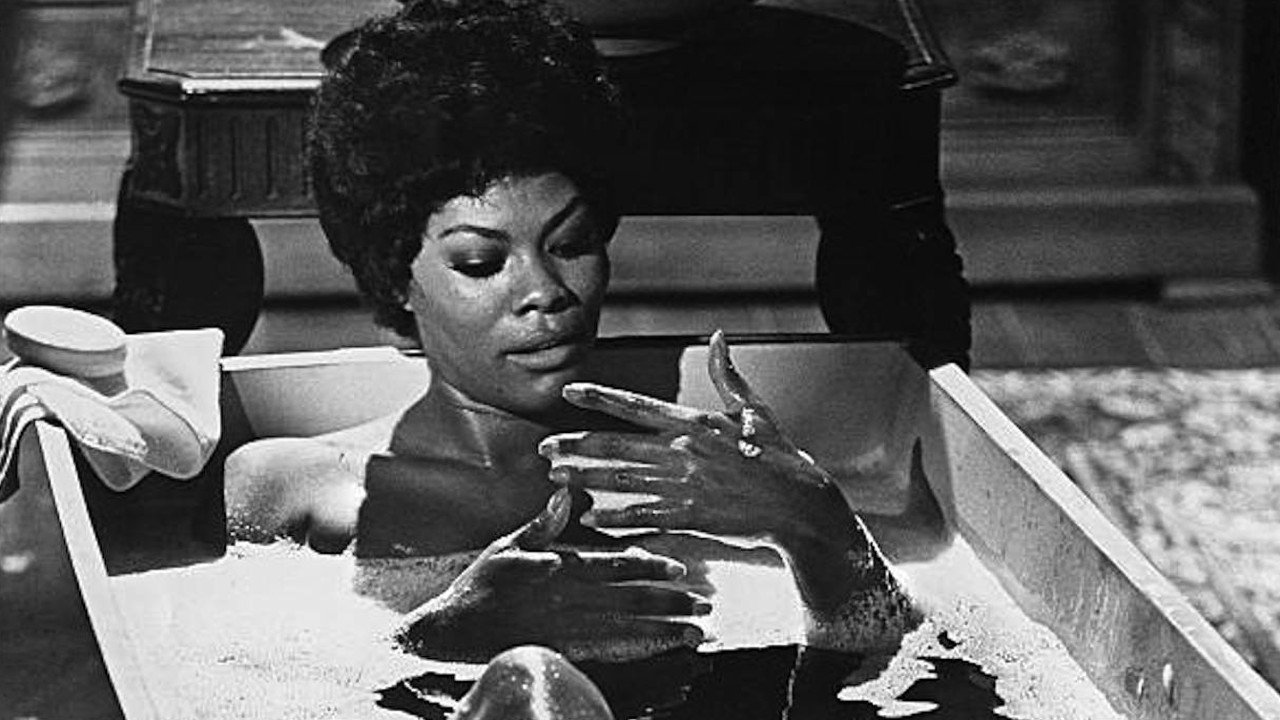
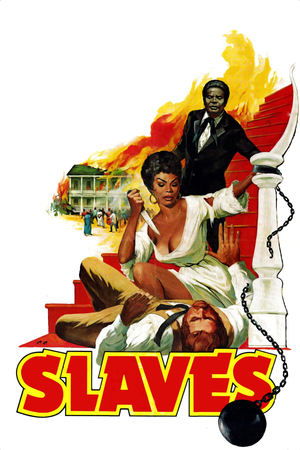



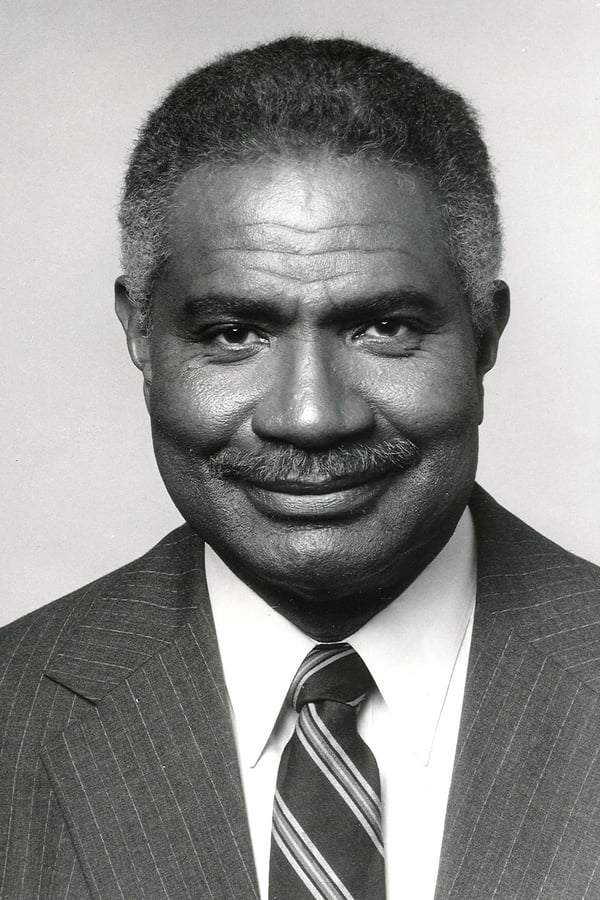
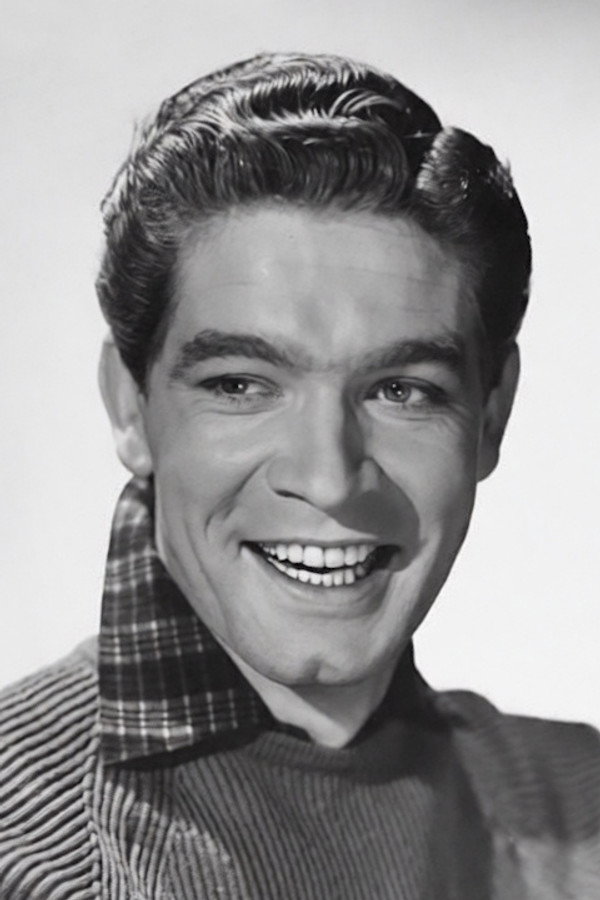
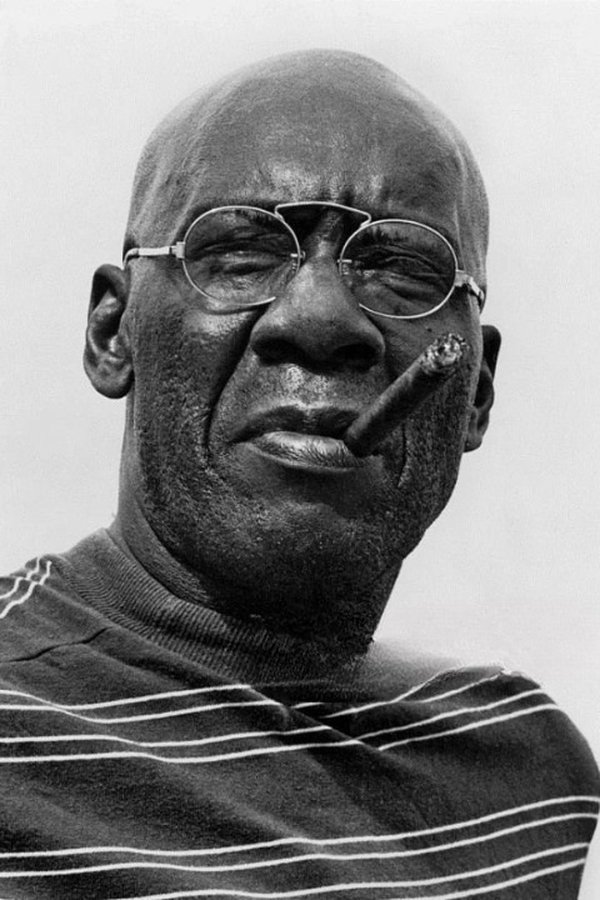
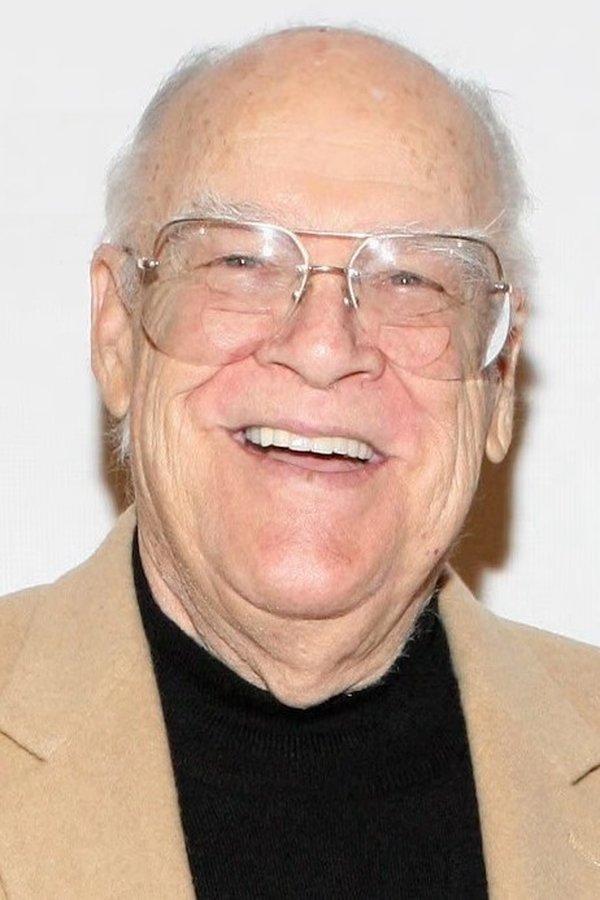

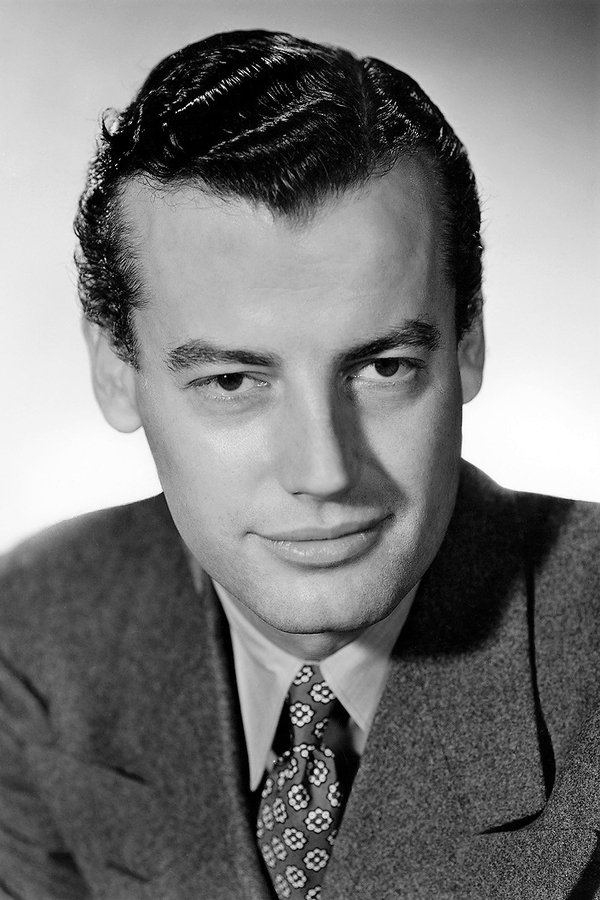

A Kentucky slave (Davis) fights for his freedom from a cruel overseer whose mistress eventually joins him and the other slaves in their revolt.
Zombie apocalypses have been metaphors for late-stage predatory capitalism, but never a system disrupter that brings about freedom.
While subverting the conventions of Golden Age cinema with the characteristics of a slasher, Pearl studies the delusions of grandeur inspired by the movies.
Perhaps the most amazing and groundbreaking quality about The Birdcage is how removed it is from both illness and insensitivity. Whereas films preceding it were often somber stories about the tribulations of being gay in a conservatively straight world, Nichols and screenwriter Elaine May expose the fallacies of conservatism as traditional values are thrown into a more open-minded space. They don’t care how far the community has fallen so much as how high they can rebuild themselves.
My review’s title is a nod to Shakespeare and is entirely deliberate. The original movie portrayed the high-end fashion world as a brutal arena of plotting, backstabbing, and betrayal, and most Shakespeare’s plays depend on these plot devices. The Devil Wears Prada 2 uses the same formula, and is, plot-wise, almost identical. Once again, we plunge into the cutthroat world of Runway, where to get and stay at the top, you must let go of your principles and moral sense. The only thing different is that due to the digital era, Runway is not a print magazine anymore, but one that is running online.
James Cameron’s The Terminator (1984) marks the beginning of a wonderful two-part arc, brimming with style and substance. The film follows Sarah Connor, a waitress living in Los Angeles. One night, a cybernetic organism (Arnold Schwarzenegger) is sent back in time to kill Sarah. A human resistance fighter (Michael Biehn) is also sent back in time, with the intent of saving Sarah from this deadly foe.