'Zom 100' Critiques Predatory Capitalism
Zombie apocalypses have been metaphors for late-stage predatory capitalism, but never a system disrupter that brings about freedom.
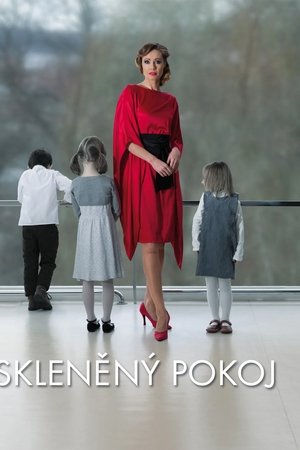


When the Tugendhat family had their villa built in the late 1920s, they had no idea how many stories it would inspire. A few years ago, British writer Simon Mawer wrote a novel called "The Glass Room." The novel tells the story of Liesel and Viktor Landauer, set in Brno between the two world wars. He was a promising industrialist, she was a rich beauty from a good family. As a wedding gift, they received a plot of land and had an Austrian architect build them a monumental house made of glass and concrete. Inside the house, their family life unfolds, but so do passionate stories of infidelity and even lesbian love. Through the glass of their villa, however, they can also observe the brown threat approaching from Hitler's Germany and the transformations of the young Czechoslovak Republic. When the threat becomes real, the Landauers understand that their time in the fictional City and in the house with the glass room has come to an end.

Peter Soukup, Stanislav Moša
Director

Pavla Ptáčková
Liesel Landauerová
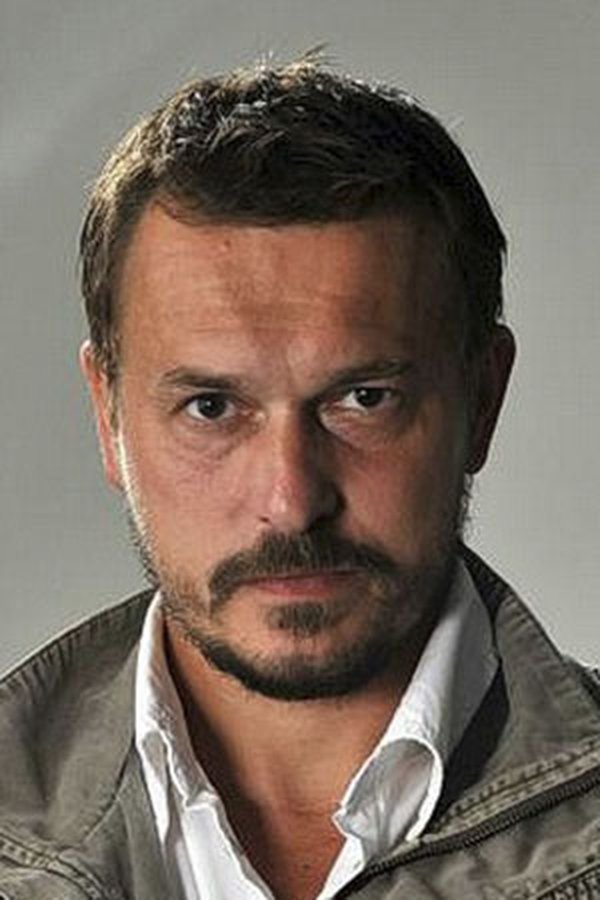
Petr Štěpán
Viktor Landauer

Ivana Vaňková
Hana Hanáková
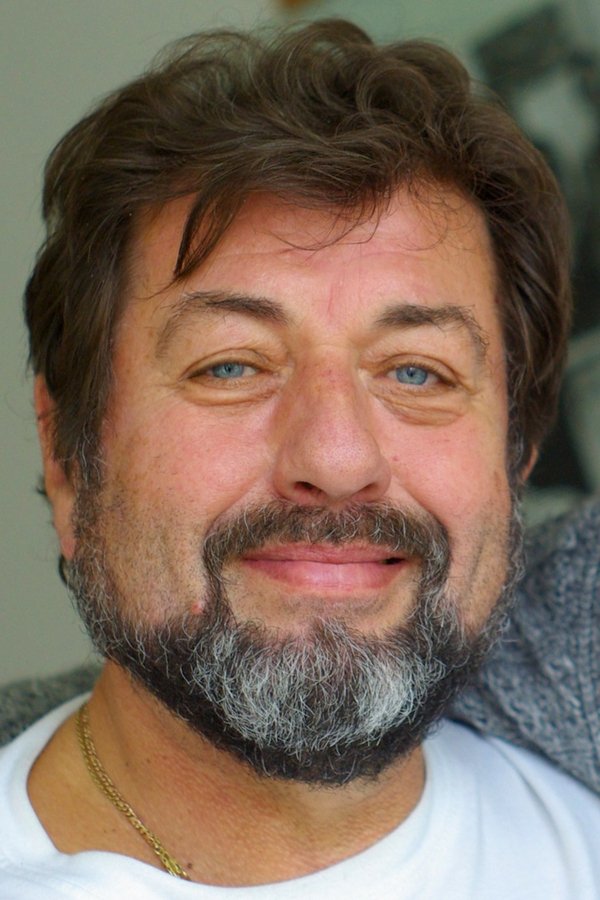
Zdeněk Junák
Oskar Hanák

Michal Isteník
Laník - šofér, fotograf a soudruh
Jiří Mach
Tomáš, lékař
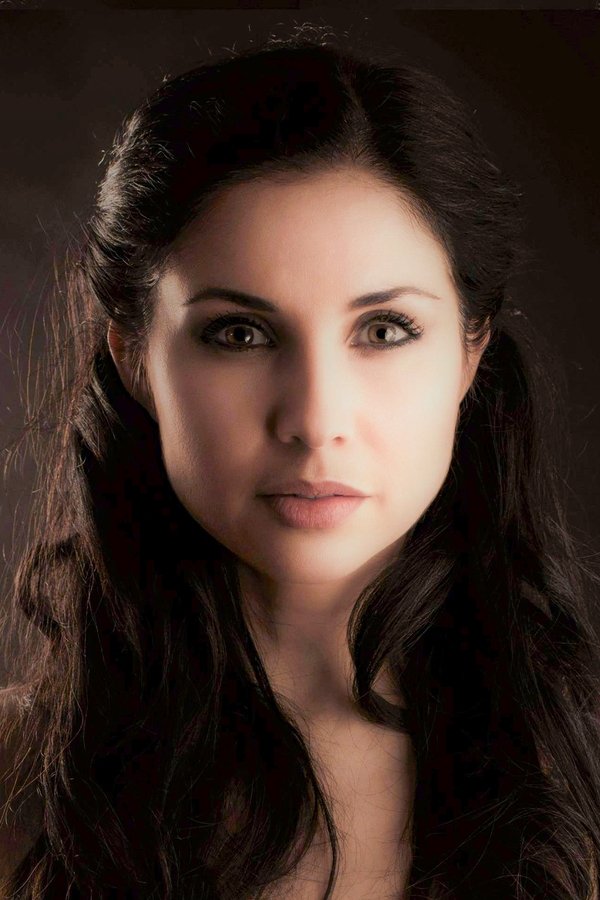
Eva Ventrubová
Ottilie - dospělá
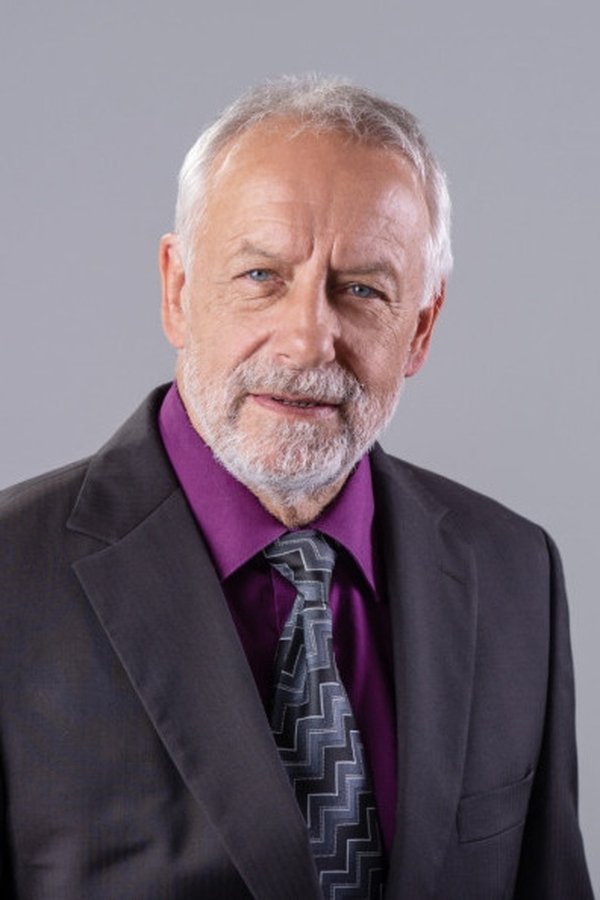
Ladislav Kolář
Otec Liesel
Květoslava Ondráková
Matka Liesel
Rastislav Gajdoš
Rainer von Abt
Svetlana Janotová
Kata
Zombie apocalypses have been metaphors for late-stage predatory capitalism, but never a system disrupter that brings about freedom.
Based on a true story, when his beloved dog goes missing, the owner embarks on an incredible search with his parents to find him.
It's chock full of dream-come-true moments for Spidey fans, but its lack of substance reeks of a self-indulgence that is rare even in fan fiction
"First Day" is a trans kid slice-of-life tv show that brings desperately needed diversity to coming-of-age stories in mainstream media. Here's a show that get's it right by having a trans actress in a story centered on trans girlhood.
'Pariah' tells a powerful, mesmerizing, and unflinchingly honest story of identity.
A bond between a girl and her dog takes an unexpected twist as the dog is not what it seems.