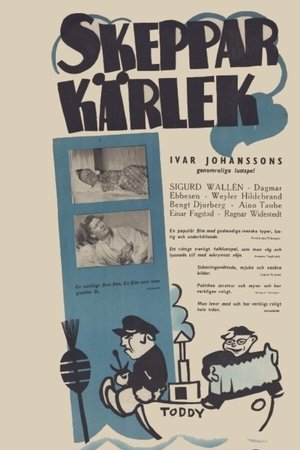
Skipper's Love
Erik, Harald and Borell are fighting for Majkens heart.

- / 5
PopScore
Representation
Pictures and Videos

Movie Information
Erik, Harald and Borell are fighting for Majkens heart.
Rating:
Genre:Comedy
Written By:Ivar Johansson
In Theaters:
Box Office:
Runtime:93 minutes
Studio:Film AB Minerva







Articles You May Like
"Inside Llewyn Davis" Is a Stunning, Melancholic Tale of Failure
Baring it all in 'The Bear'
Personalities clash and tempers fume in a family-run Chicago restaurant
What Netflix's “Shadow and Bone” Gets Right and Wrong with the Books’ Diversity
Netflix’s Shadow and Bone has a complicated relationship with race. It has a diverse cast, but not without its problems. Based on Leigh Bardugo’s two book series, the show features characters from the Shadow and Bone trilogy, which is very straight and white, and the Six of Crows duology, which is much more diverse. When bringing together a cast and writing about these characters, the team behind the show expanded upon some of the representation missing from the first trilogy, then seemed to take away representation from the duology. Shadow and Bone seems to play a bit of a push and pull game when it comes to portraying diversity onscreen.
'Oxygen': Mélanie Laurent Helps Elevate a Familiar Premise
These confines won’t really encourage you to read the film as a metaphor for the nerve-inducing experience we’ve all been through over the last year, however — and in the interest of maintaining your dignity, you probably shouldn’t. While the sociopolitical commentary may have worked for the similarly-themed Buried (2010), in which we find Ryan Reynolds on his own buried alive in the Middle East, but this futuristic take on the premise is best left as a piece of distracting entertainment. Nevertheless, the atmosphere is no less suffocating, literally and dramatically.
'A Drowning Man' Submerges Viewers in the Unseen of the Refugee Crisis
"A Drowning Man" (2017) explores the unseen aspects of the Refugee Crisis. In, 15 far-too-short minutes, viewers are given a detailed snapshot of what it's like for a refugee to drown in the waters of poverty and otherness while trying to navigate a land whose promise has worn off, and only 'strange' remains.