








Sofia Coppola’s ‘On the Rocks’
The film does not add anything to its own conversation or genre, and falls flat once it’s about to end and must declare some sort of conclusion.
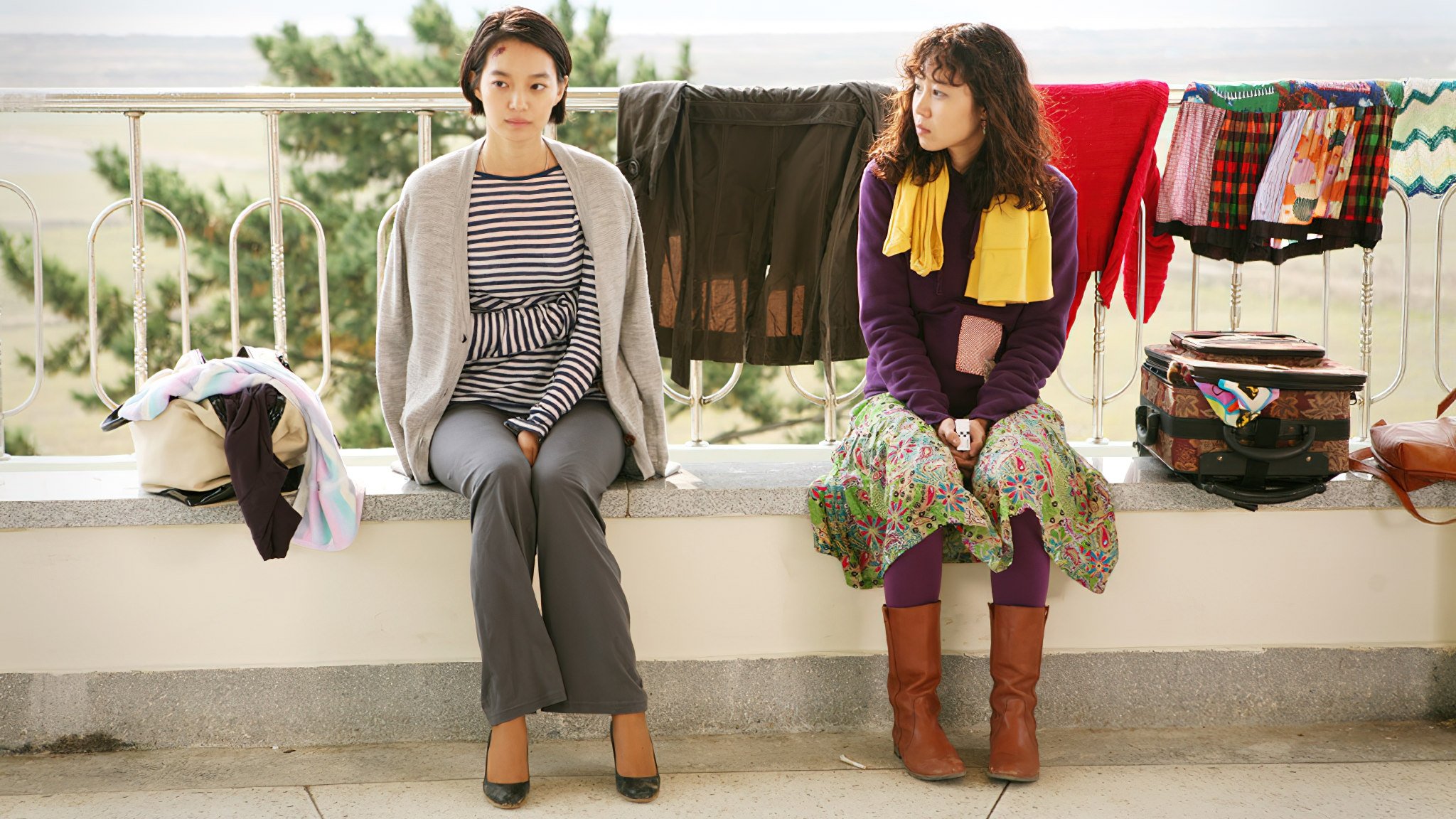
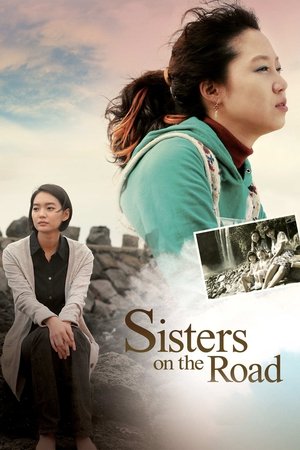


The sudden death of her mother brings Myung-eun back home to Jeju island. There she meets her estranged sister Myung-ju and Myung-ju's daughter Seung-ah, still living at their old home, and Hyun-ah who has lived with them for over 20 years like a relative. A career woman whose hard exterior masks her illegitimacy and abandonment issues, Myung-eun tells Hyun-ah she wants to start looking for her father after the funeral. Single-minded in her desire to dig up memories of her father and discover why he left, Myung-eun resents that Myung-ju, who like their mother is a carefree fish trader and an unmarried mother of a young daughter, seemingly doesn't care. At first Myung-ju is reluctant to accompany Myung-eun, but after Hyun-ah persuades her, guilt and her sense of duty as an older sibling prevails. And so the two sisters who are dissimilar in character...
The film does not add anything to its own conversation or genre, and falls flat once it’s about to end and must declare some sort of conclusion.
Audition should be on everyone's list of Greatest Horror Film. So I urge you to give it a watch. Maybe watch the last twenty minutes with your hands in front of your eyes.
Where is Lilo's face? Disney marketing sends a chilling signal: that even in 2025, an alien is more palatable and marketable than a brown girl.
My Beautiful Laundrette is often referenced as a positive LGBTQIA+ film because our two main characters are in a homosexual relationship with no shame, fear of violence or criticism. The struggle is not their sexuality. It is the treatment of the Pakistani citizens in England.
KPop Demon Hunters took social media by storm recently—is it truly as good as people have hyped it up to be?
The external threat invaded the domestic environment at the most valuable moment: grieving.