








The Blues, and Two Contradictory Films That Claim It
Crossroads follows a young guitarist on a journey through the American South in search of blues history and his own voice.

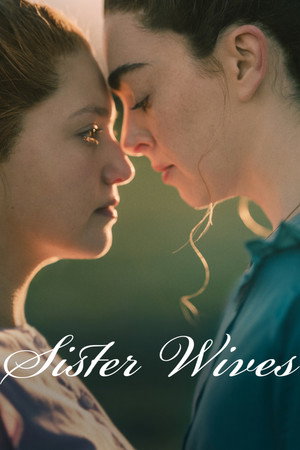
Two young women living in a strict, fundamentalist, polygamous society, Kaidence and Galilee, find themselves bound to one another, under the same roof, in the same marriage, as they develop scary, new, exciting feelings for each other. In a harsh, regressive, watchful community where being queer is considered a cardinal sin, they begin having thoughts of leaving the only life they have ever known behind.
Crossroads follows a young guitarist on a journey through the American South in search of blues history and his own voice.
Set against the backdrop of the Jim Crow era, the film offers layered representation.
Nick Rowland’s She Rides Shotgun is a blistering, blood-soaked road thriller that doubles as a bruised love story between a haunted ex-con (a career-best Taron Egerton) and the daughter he barely knows (astonishing newcomer Ana Sophia Heger). Fueled by white-knuckle chases, razor-tense shootouts, and quiet moments of aching tenderness, the film captures both the terror and fragile beauty of survival. It’s gritty, heartbreaking, and unforgettable—a father-daughter odyssey destined to leave audiences shaken.
A complex, realistic, and loving mother-daughter relationship is at the heart of this story about Black pageants and the fight for a better future.
Escape The Field is a serviceable horror thriller. The characters are easier to remember as horror character tropes. As I wrote this review, I only remembered the characters by their tropes: #FinalGirl, #Everyman, #Badass, #MeanB*/SexyGirl, #Realist/BlackLesbian, and #TheNerd.
Knives Out doesn’t just defy the whodunit narrative, it uses the weaknesses to its advantage. It’s well aware of the genre’s faults and tropes