



Māhū—Reclaiming what’s rightfully theirs
Why did Māhū, a term once respected in Hawaiian culture, become so controversial?

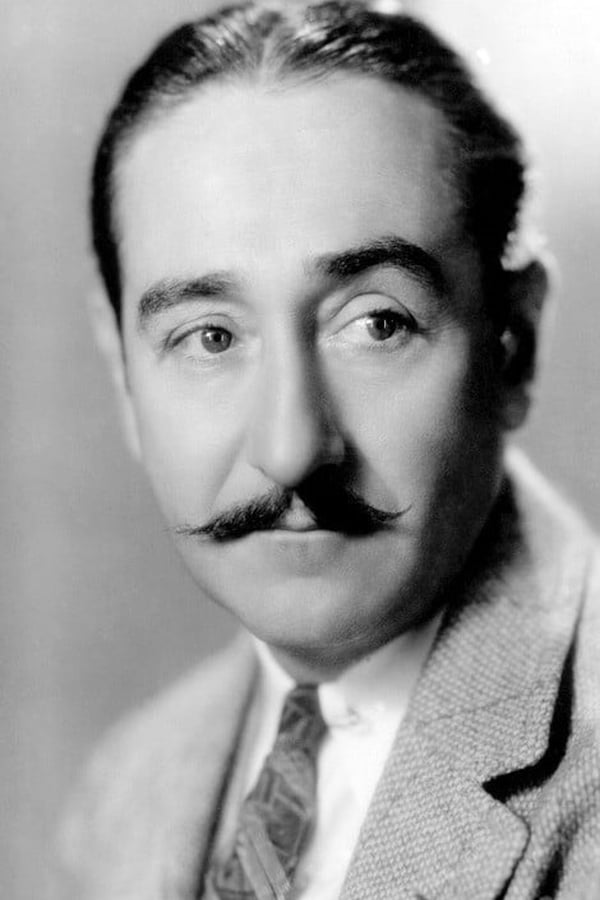
Aging roué Arthur Merrill meets flapper Penelope Stevens on an ocean liner and decides to undergo rejuvenation surgery so that he may enjoy life again. Transformed, he attends a wild jazz party given by Penelope and persuades her to visit his apartment, but he finds that she is a "good girl" and only flirting. After he gives Penelope a scare and a lecture, her old beau, Brock Farley, enters with a letter to Arthur that reveals Brock to be his son. Arthur gladly steps aside, renounces his wild living, and returns to a simple life.
Why did Māhū, a term once respected in Hawaiian culture, become so controversial?
In order to learn why an arguably outdated fanfic trope was resurfacing in the contact zone of popular culture, I dove into a vibrant trough of character development.
I was able to sit down and talk with the director of the short film Dog Lover Anne-Sophie Bine as she discussed and how she came to be in film.
Omaha reminds us of what it can feel like to look at old family photographs. You sit with the bittersweetness, allowing it to wash over you; not drowning in it, but certainly affected by it.
After two months of refusing to see this movie, I have decided that it’s finally Morbin’ time. After its re-release as a box office bomb; I watched it just to laugh at it. But, I was also surprised, because 'Morbius' is a queer allegory.
The animated musical adventure beings fantasy and magic to viewers as they follow Keegan and Moya.